Plastic conveying components
Build the conveyor around the mechanical interface
Start with motion, product contact, pitch, width and the drive interface rather than choosing from appearance alone. Our site is organized so OEM buyers, maintenance teams and machine builders can move from the conveyor problem to a measurable quotation request without losing the relationship between belt, chain, sprocket, support and transfer components.
Separate straight-running, radius/side-flexing, incline and accumulation duty before selecting a family.
Match closed, open, ribbed, roller or grip surfaces to product footprint, drainage, transfer and traction needs.
Treat the belt or chain and its compatible sprocket as one drive interface; verify shaft, bore and axial arrangement together.
State temperature, wet or dry duty, cleaning chemistry, abrasion and any special material requirement.
Product navigation
Product families
Use the family pages to compare series, motion type, surface function, dimensions and companion components. Product cards then lead to series pages where the available dimensions and operating values are shown next to the relevant drawings.
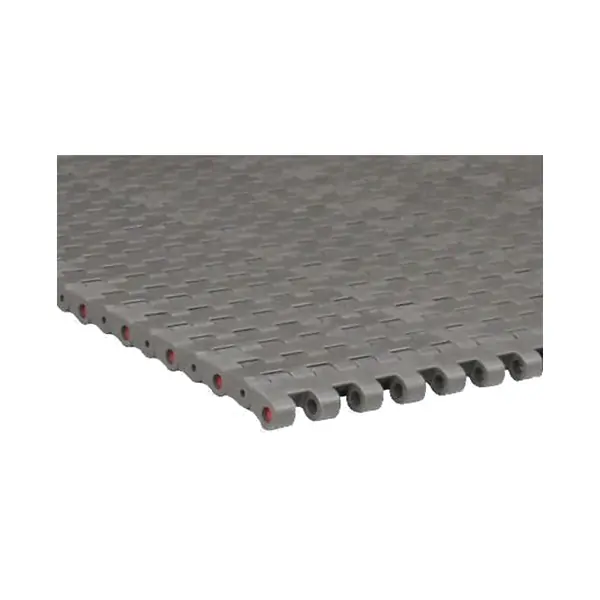
Plastic Modular Belts
Explore series, selection variables, drawings and RFQ guidance.
Explore category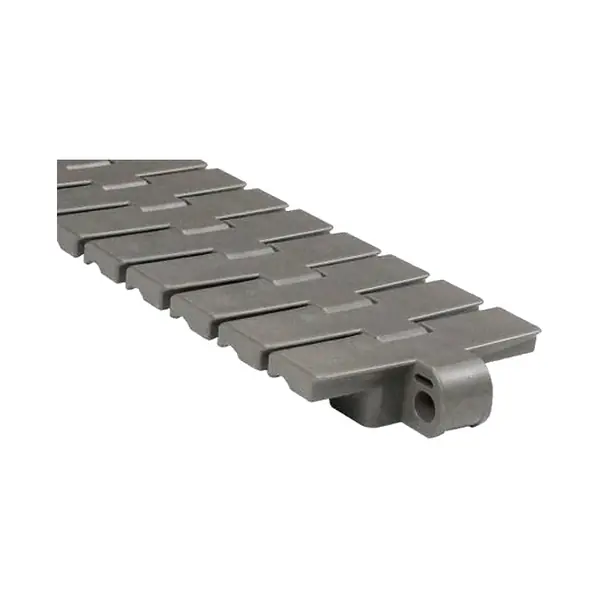
Plastic TableTop Chains
Explore series, selection variables, drawings and RFQ guidance.
Explore category
Plastic Conveyor Chains
Explore series, selection variables, drawings and RFQ guidance.
Explore category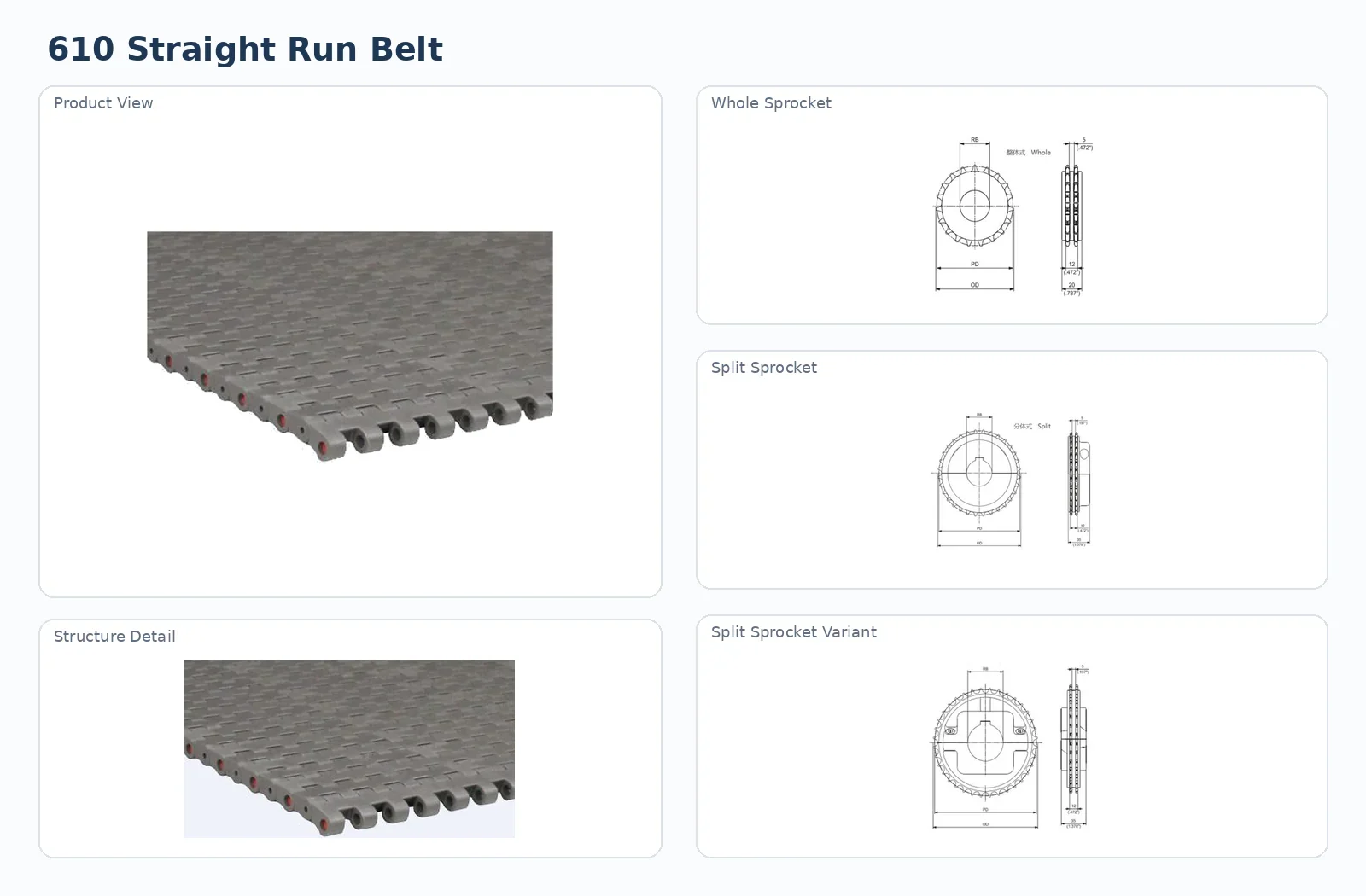
Conveyor Sprockets & Drive Wheels
Explore series, selection variables, drawings and RFQ guidance.
Explore category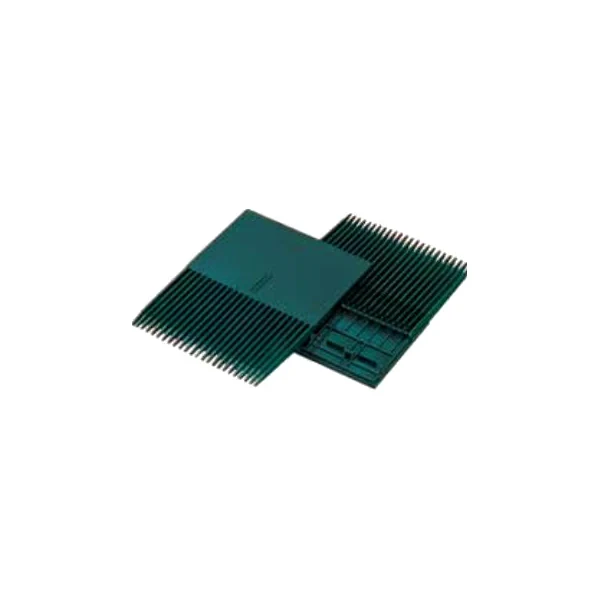
Conveyor Components
Explore series, selection variables, drawings and RFQ guidance.
Explore categoryChoose by surface and motion
The belt surface controls product support, drainage, airflow, pressure and traction, while the running geometry controls how the conveyor can be routed. These two decisions should be made together.
Stable product support and straightforward transfers for items that need a continuous contact surface.
Open-area designs support drainage, airflow and washdown where product contact conditions permit.
Roller configurations can reduce sliding contact or support accumulation and transfer functions when the series is designed for it.
Use purpose-designed lateral articulation for curves; a straight-running belt should not be forced through a bend.
Grip surfaces support incline or controlled positioning applications when the product and cleaning method are compatible.
Ribbed contact can work with appropriate transfer components where the series geometry supports the interface.
How it works
Positive-drive modular conveying
Plastic modular belts and TableTop chains are selected together with their drive interface. Pitch, series geometry, sprocket type, tooth count, bore, shaft arrangement and axial position need to be reviewed as a system rather than as isolated catalogue fields.
For replacement work, inspect the existing sprockets as carefully as the belt. Uneven wear, misalignment or an incorrect axial arrangement can concentrate engagement on only part of the width. For a new conveyor, include carry-way support, return path, guide clearance, cleaning access and thermal movement in the mechanical review.
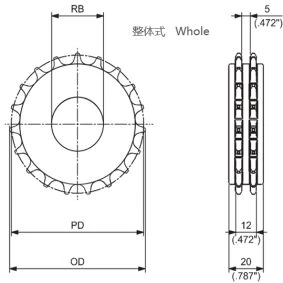
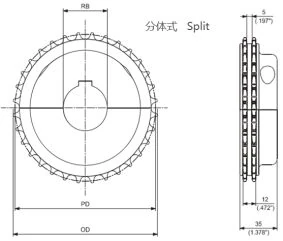
Select the belt and its compatible sprocket family together; confirm the project bore, shaft and tooth configuration before release.
Process fit
Application solutions
Application pages connect the mechanical product to the real process: product stability, guides, wet or dry operation, curves, accumulation, transfer geometry and inspection access.
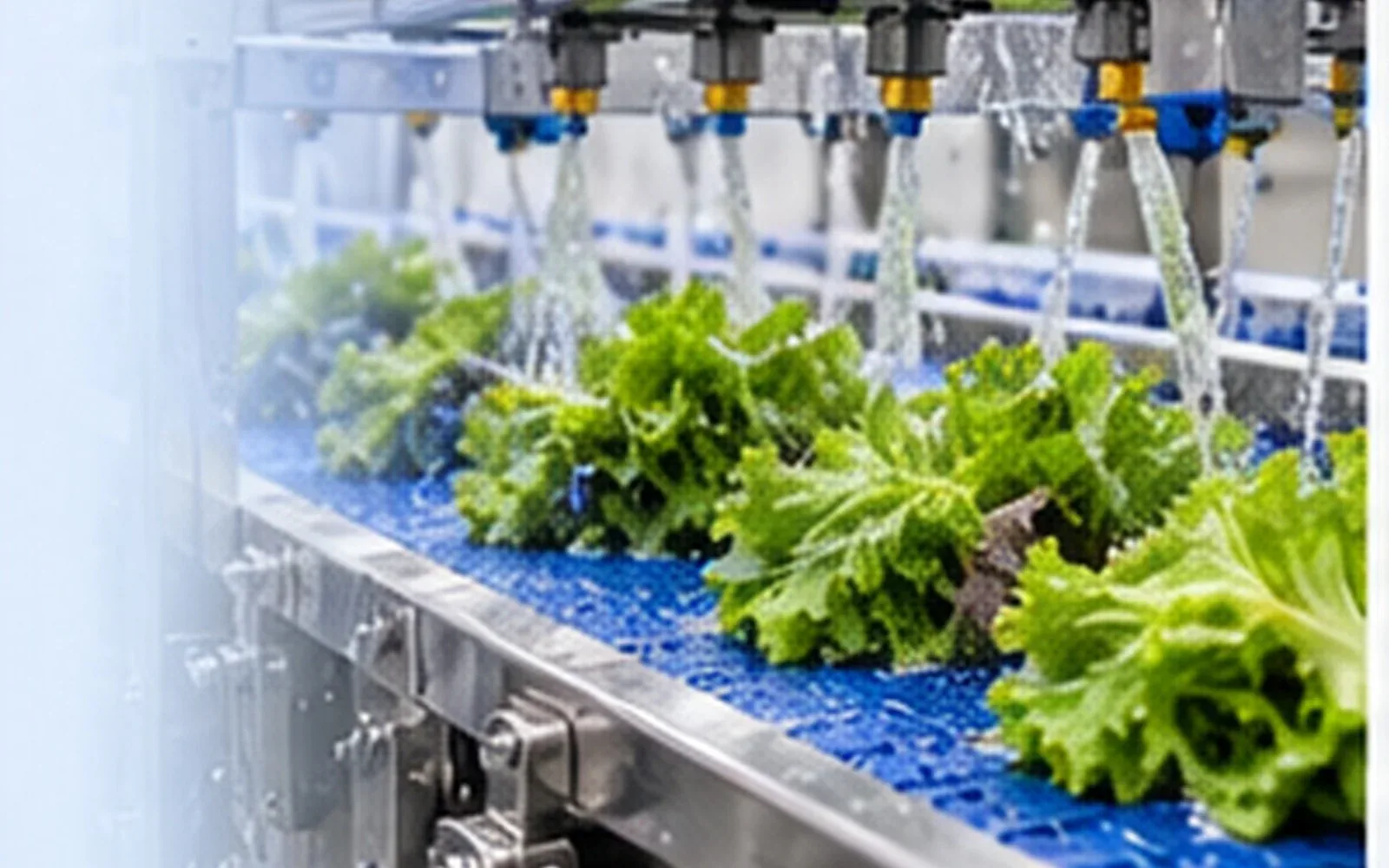
Food & Beverage
Review process conditions, product options, integration checks and RFQ data.
View application
Bottling Lines
Review process conditions, product options, integration checks and RFQ data.
View application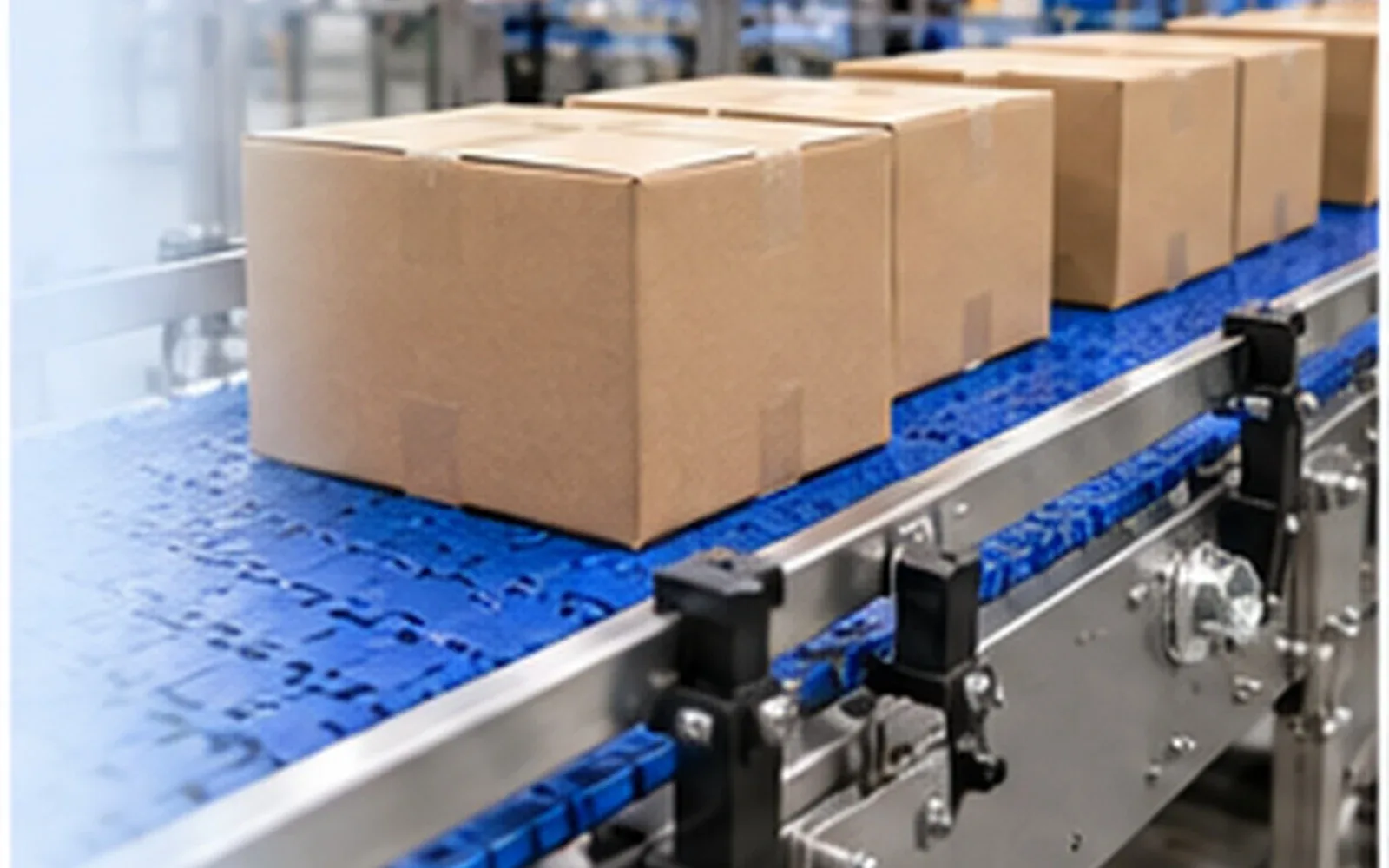
Packaging Lines
Review process conditions, product options, integration checks and RFQ data.
View application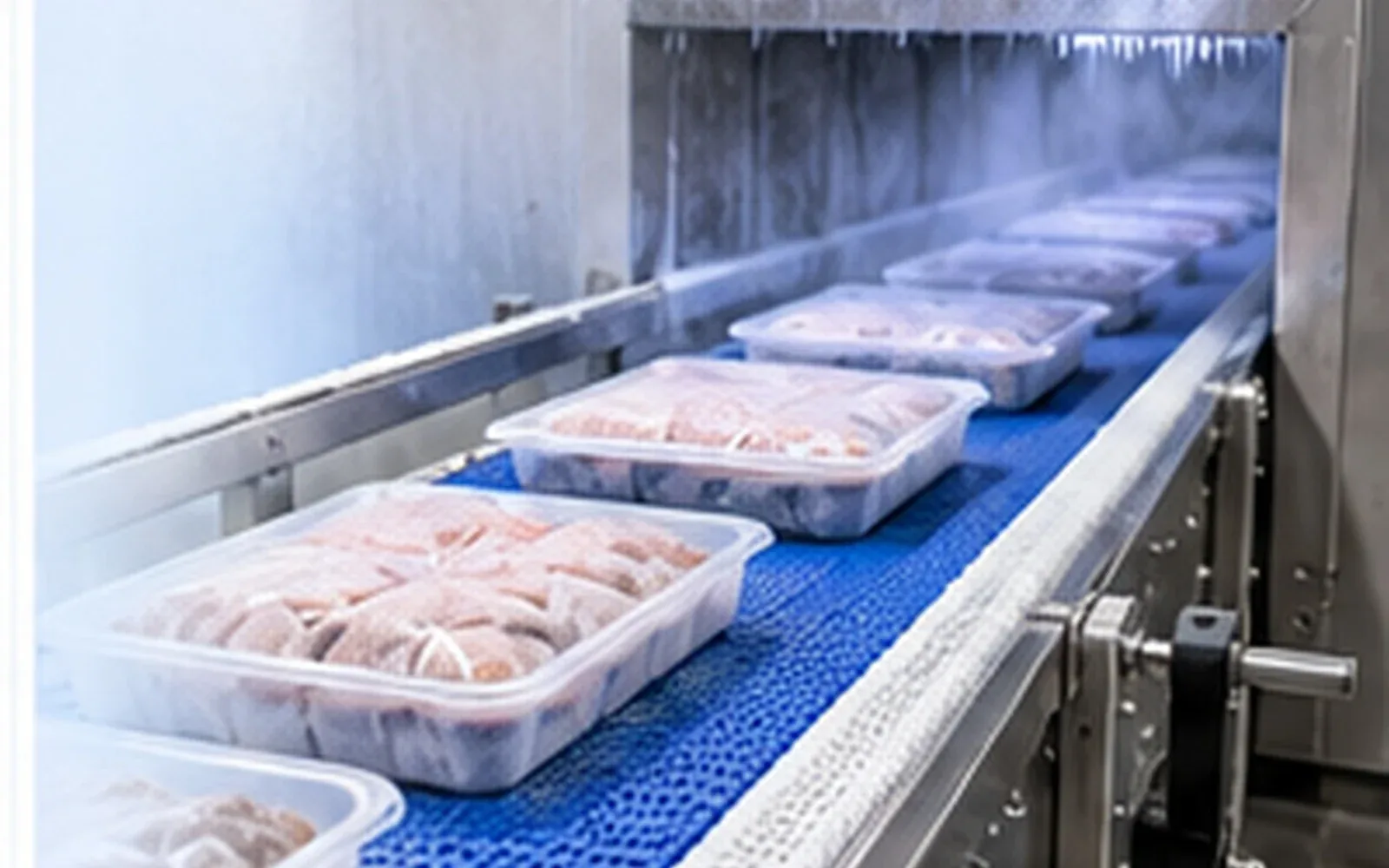
Frozen Food
Review process conditions, product options, integration checks and RFQ data.
View application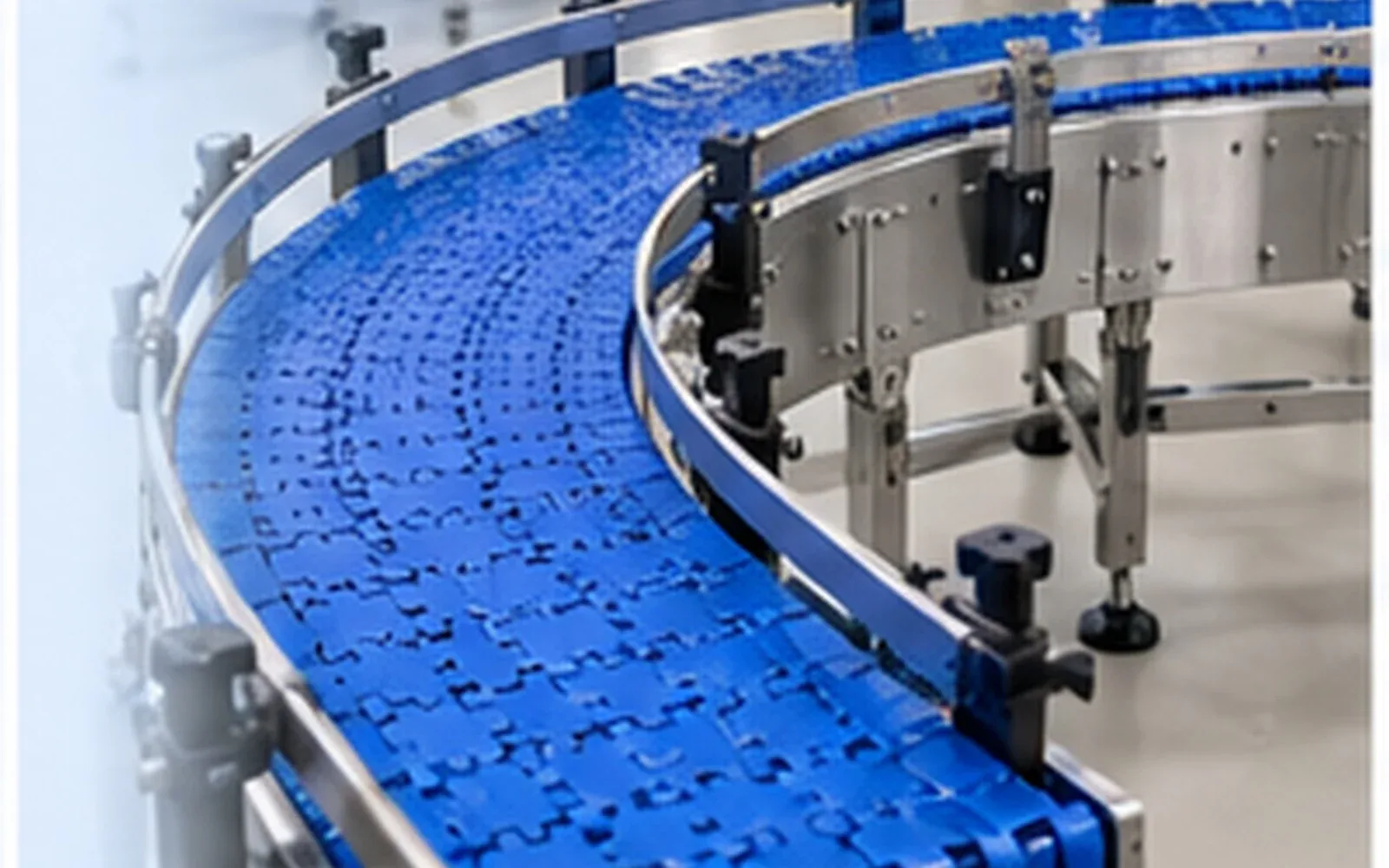
Radius Conveying
Review process conditions, product options, integration checks and RFQ data.
View applicationPrepare the RFQ
Measure the interface, not just the belt
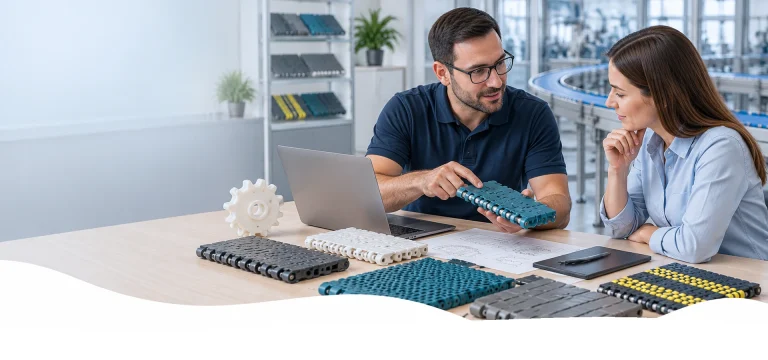
For replacement work, record the existing marking if readable, pitch, assembled width, hinge or rod arrangement, edge profile, sprocket tooth count, bore, shaft size and clear drive-end photographs. A dimensioned sketch and perpendicular photos are more useful than a single angled picture.
For a new conveyor, add the conveyed product, normal and maximum load, speed, operating temperature, wet or dry conditions, cleaning method, incline or curve geometry, accumulation zones and transfer requirements. Unknown values can remain open for review rather than being estimated.
Process control
Manufacturing and inspection workflow
The visual workflow below shows the types of material preparation, molding, component finishing, dimensional inspection and assembly checks relevant to plastic conveying components. Project-specific inspection requirements should be stated in the RFQ when they are critical.
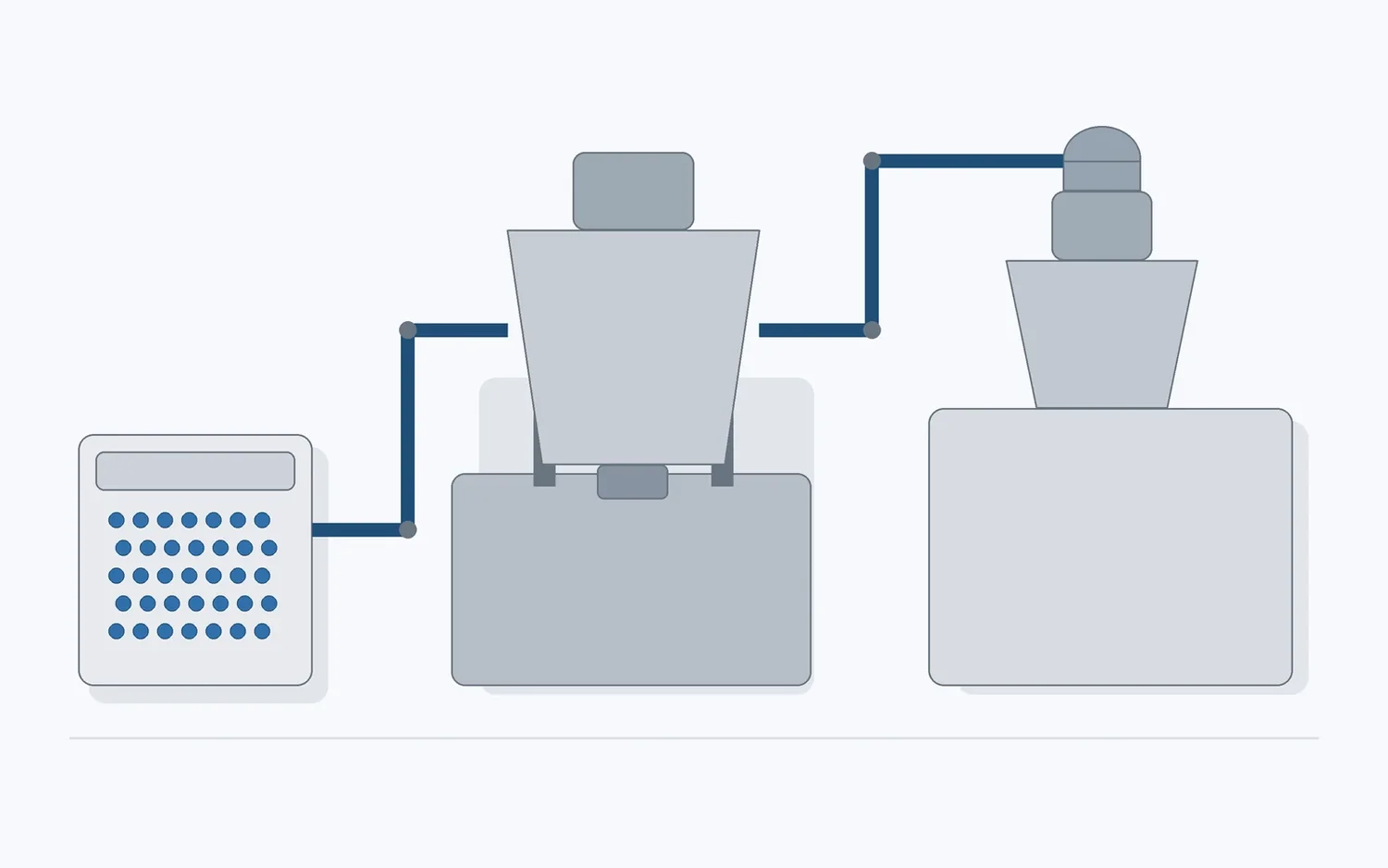
Material preparation
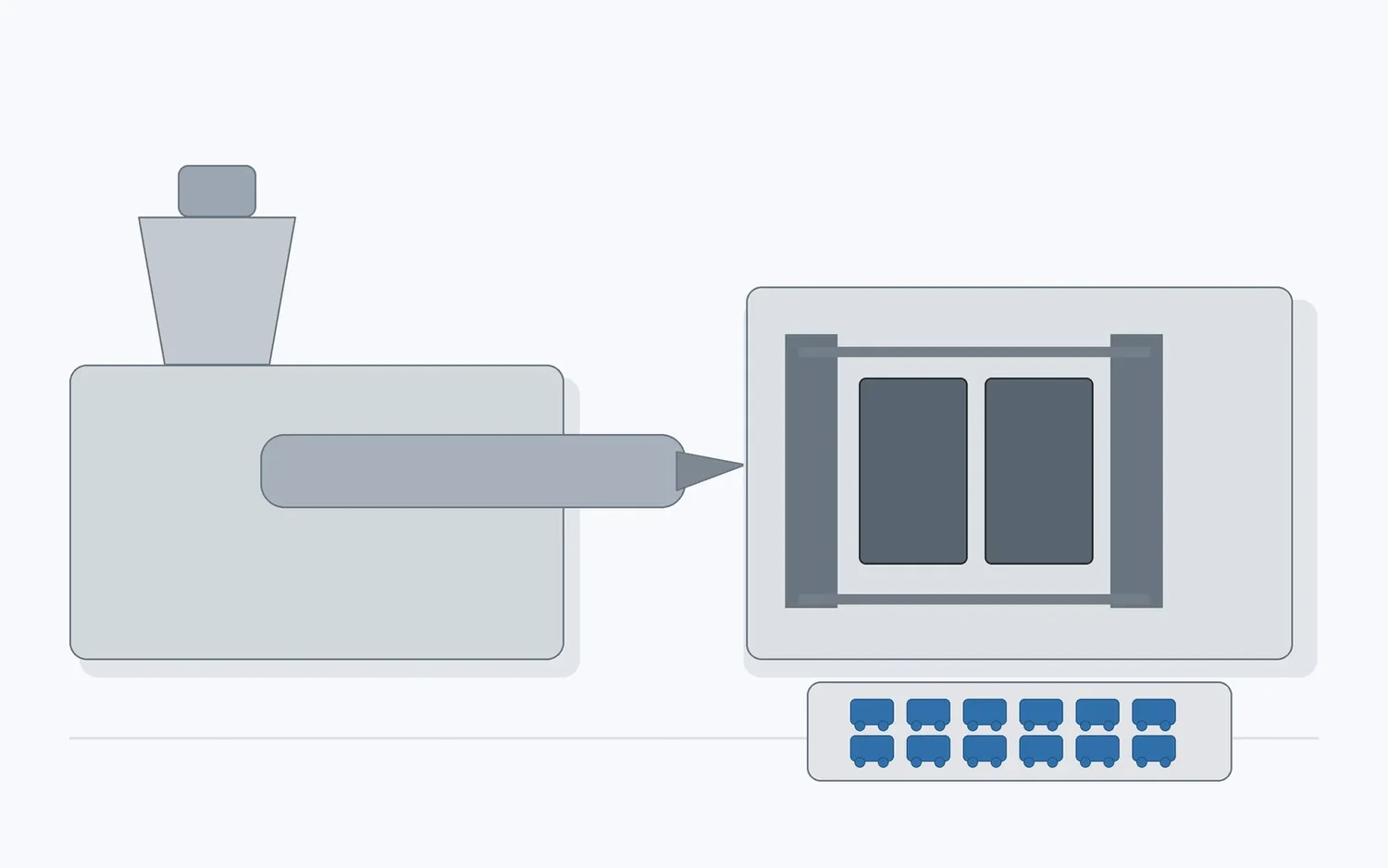
Module molding
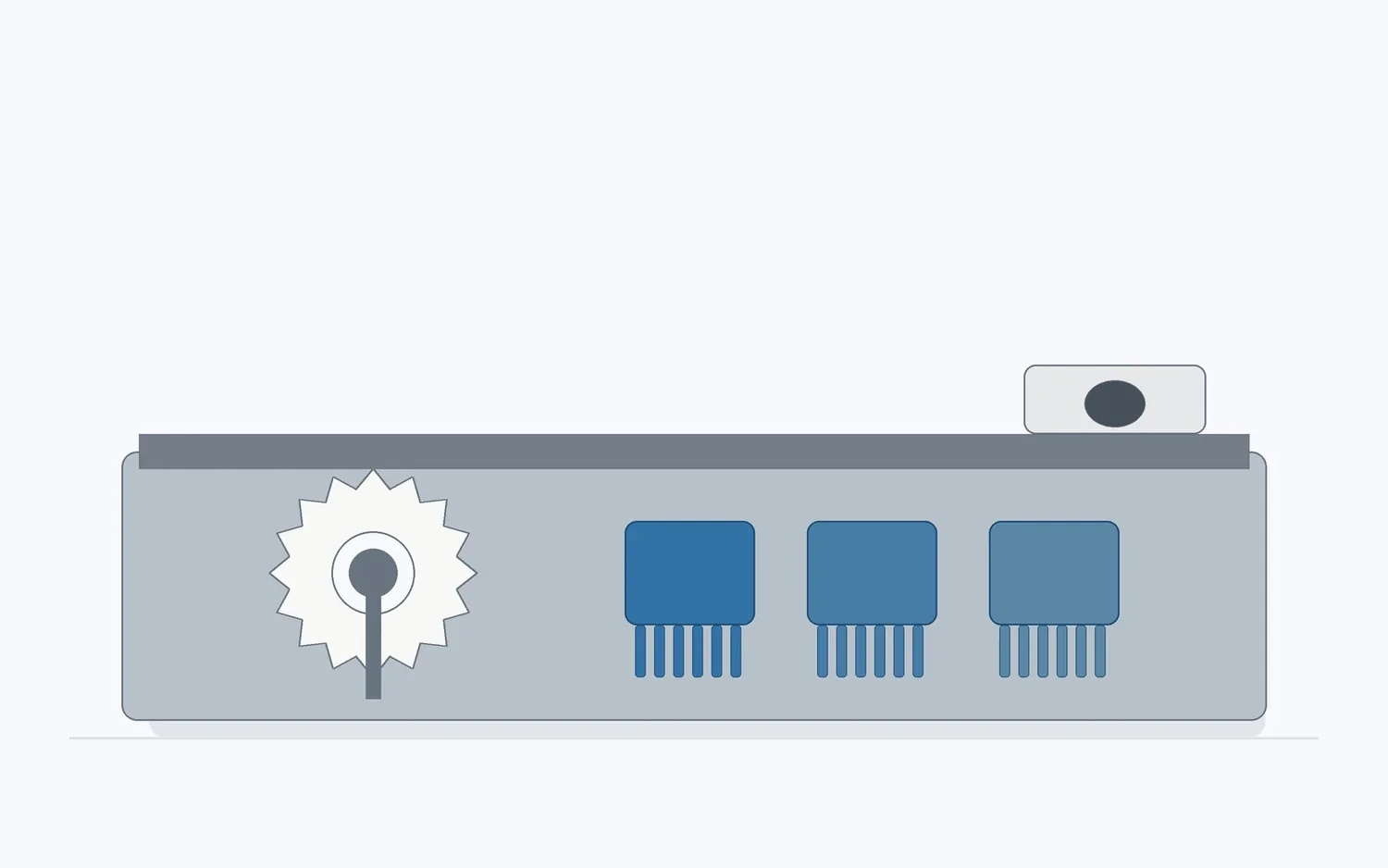
Component finishing
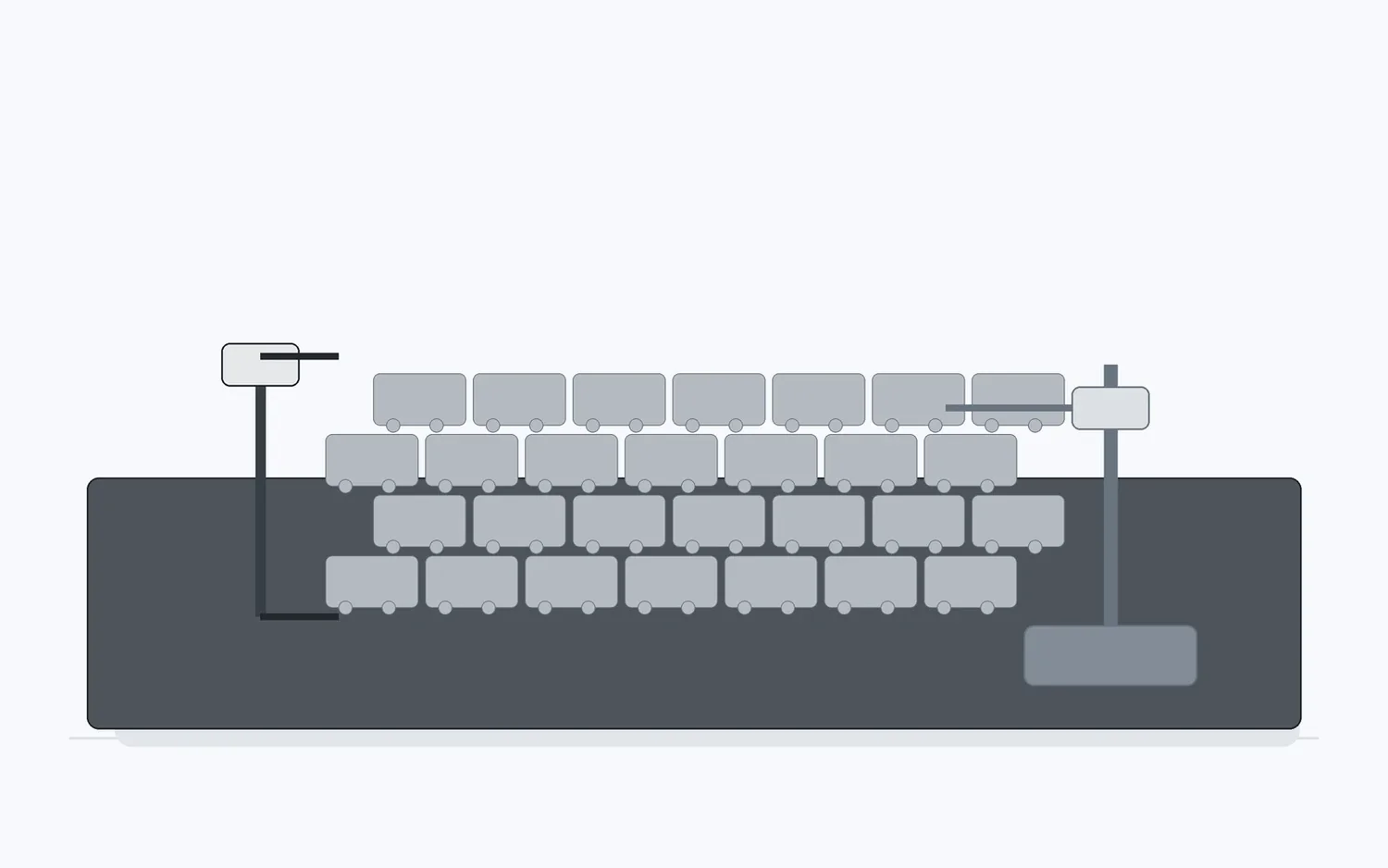
Dimensional inspection
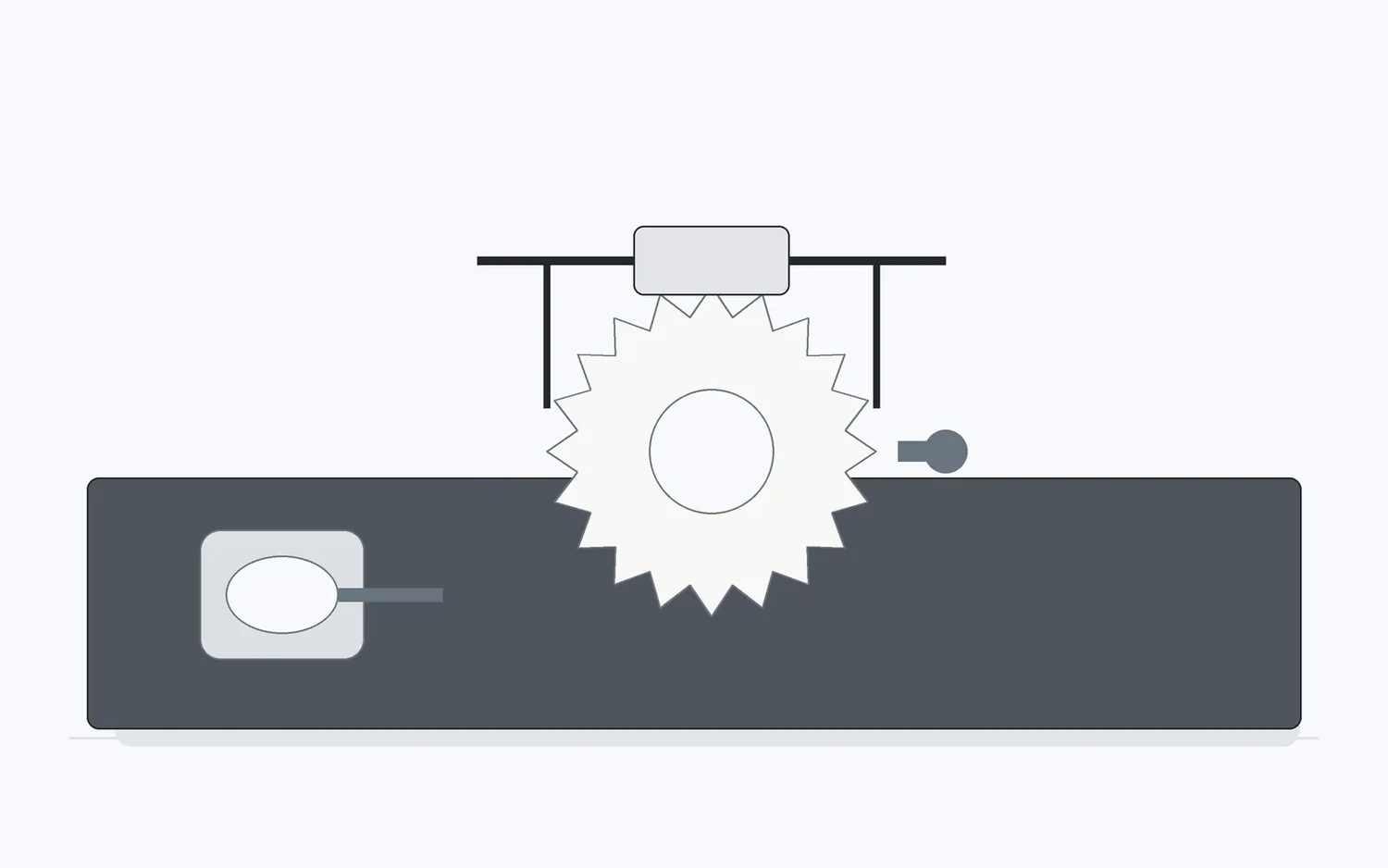
Sprocket inspection
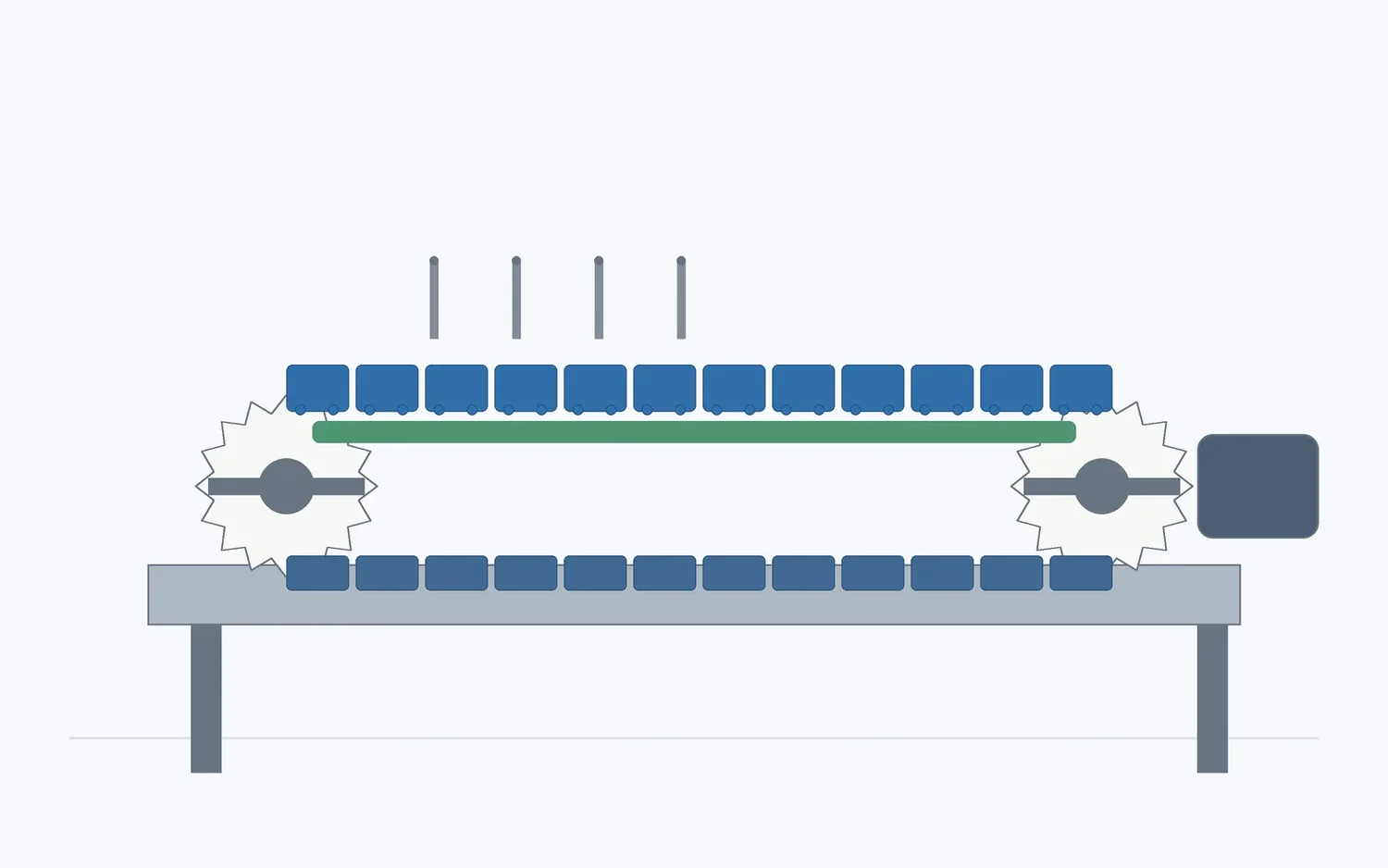
Assembly & running check
Engineering resources
Selection, replacement and maintenance guides
Use the engineering library for pitch and surface selection, material decisions, sprocket matching, radius systems, replacement measurements, cleaning and troubleshooting.
How to Prepare a Plastic Conveyor Belt RFQ
Engineering guide to a complete technical request for new and replacement projects, including measurement, selection, interface checks, maintenance and RFQ preparation.
Read More
Raised-Rib Modular Belt Transfer Applications
Engineering guide to rib geometry, comb transfers and product support, including measurement, selection, interface checks, maintenance and RFQ preparation.
Read MoreHigh-Friction Modular Belt for Incline Conveyors
Engineering guide to grip surface, incline geometry and product base, including measurement, selection, interface checks, maintenance and RFQ preparation.
Read MoreAccumulation and Product Pressure on Plastic Conveyor Chains
Engineering guide to product pressure, roller surfaces and line control, including measurement, selection, interface checks, maintenance and RFQ preparation.
Read MoreReady for review
Send the conveyor data
Provide the model or series when known, dimensions, layout, operating conditions, quantity and drawings or photographs. We will use the information to identify the appropriate product route and the remaining confirmation points.