Descripción del Producto
1. Más de 10 años de experiencia en la fabricación de máquinas de embalaje.
2. Proveedor de Alibaba con 10 años de experiencia
3. Inspección de control de calidad 100% antes del envío
4. Garantía de 12 meses
5. Producto certificado por CE
Introducción:
La etiquetadora automática ARLM-160A puede satisfacer las necesidades de etiquetado semicircular y de etiquetado de botellas, alternando entre un ajuste sencillo y conveniente;
Amplia gama de aplicaciones: etiquetas autoadhesivas, películas adhesivas, códigos de control electrónico, códigos de barras, etc.
Sectores de aplicación: Ampliamente utilizado en los sectores de alimentación, medicina, cosmética, productos químicos de uso diario, electrónica, ferretería, plásticos y otros.
Ejemplo de aplicación: etiquetado de botellas redondas de PET, etiquetado de botellas de plástico, alimentos enlatados, etc.
Características:
1. Calidad de etiquetado, utilizando cintas de cubierta de resorte estándar, etiquetado liso, sin arrugas, mejora la calidad del embalaje.
2. Aplicación flexible, etiquetado vertical de botellas con soporte, con función automática de subbotellas, puede utilizarse de forma independiente o conectarse a la línea de producción.
3. Control inteligente, seguimiento fotoeléctrico automático, sin necesidad de etiquetado, calibración automática estándar y función de detección automática de etiquetas, lo que evita fugas y desperdicio de etiquetas.
4. Ajuste sencillo, la velocidad de etiquetado, la velocidad de transporte y la velocidad de las botellas se pueden regular de forma continua, ajustándolas según sea necesario.
5. Duradero, con mecanismo de ajuste de 3 barras, aprovecha al máximo la estabilidad triangular; máquina sólida y duradera. Fabricado en acero inoxidable y aleación de aluminio avanzada, conforme a los requisitos de producción CE.
Funciones personalizadas:
1. Puede agregar codificación e impresión.
2. La cinta transportadora puede sustituirse por una placa de cadena.
3. El ancho, largo y alto se pueden personalizar.
4. La función personalizada es aplicable a todas las máquinas etiquetadoras automáticas.
5. La máquina solo se puede usar para pegar etiquetas adhesivas; se puede personalizar para pegar etiquetas transparentes, para lo cual es necesario cambiar la fibra óptica por una fibra óptica transparente. (Etiqueta convencional por color inducido; etiqueta transparente por grosor inducido).
Nota:
Esta máquina es un modelo estándar y solo puede utilizarse con botellas redondas normales; no deben ser demasiado blandas ni abultadas.
Se puede personalizar si la botella tiene ranuras.
Parámetro:
| Modelo | ARLM-160A |
| Fuerza | 550 W |
| Velocidad de llenado | 10-50 piezas/min |
| Precisión del llenado | ±1% |
| Diámetro de la botella | 30-150 mm |
| Subidón de botella | 10-500 mm |
| Peso de la etiqueta | 20-150 mm |
| Altura de la etiqueta | 30-160 mm |
P: ¿Son ustedes una fábrica o una empresa comercial?
A: Somos una fábrica que fabrica máquinas de embalaje y ofrecemos un servicio OEM y postventa perfecto.
P: ¿Podría enviarme el vídeo que muestra cómo funciona la máquina?
R: Por supuesto, hemos grabado vídeos de todas las máquinas y los hemos subido a YouTube.
P: ¿Cómo puedo saber si su máquina funciona correctamente?
R: Antes de la entrega, comprobaremos el funcionamiento de la máquina.
P: ¿Cómo puedo saber si su máquina está diseñada para mi producto?
R: Puede enviarnos muestras de su producto y las probaremos en la máquina.
P: ¿Cómo puedo pagar mi pedido?
R: Aceptamos pagos mediante transferencia bancaria (T/T) y carta de crédito (L/C). Para pedidos inferiores a 500 USD, aceptamos la Garantía Comercial.
P: ¿Tiene usted un certificado CE?
R: Cada modelo de máquina cuenta con un certificado CE.
Su satisfacción es nuestro honor.
/* 10 de marzo de 2571 17:59:20 */!function(){function s(e,r){var a,o={};try{e&&e.split(“,”).forEach(function(e,t){e&&(a=e.match(/(.*?):(.*)$/))&&1
| Calificación automática: | Automático |
|---|---|
| Sector aplicable: | Alimentos, cosméticos, agricultura, medicina, productos químicos de uso diario |
| Solicitud: | Cosméticos, bebidas, limpieza, detergente, productos para el cuidado de la piel, productos para el cuidado del cabello, aceite, té, pescado, carne, snacks, condimentos, productos lácteos |
| Tipo: | Máquina etiquetadora automática |
| Tipo impulsado: | Eléctrico |
| Clasificación: | Máquina etiquetadora vertical automática para botellas redondas |
| Personalización: |
Disponible
| Solicitud personalizada |
|---|
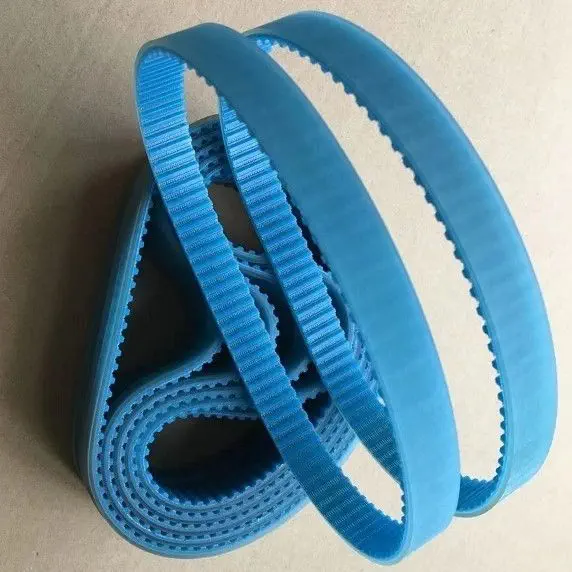
How do plastic belts contribute to reducing friction and energy consumption in conveyor systems?
Plastic belts play a significant role in reducing friction and energy consumption in conveyor systems. Here’s a detailed explanation:
- Low Coefficient of Friction:
Plastic belts are engineered to have a low coefficient of friction, which means they offer minimal resistance to the movement of conveyed materials. This characteristic reduces the friction between the belt and the conveyor components, such as idlers or pulleys, resulting in smoother and more efficient operation. With reduced friction, less power is required to drive the conveyor system, leading to energy savings and improved overall efficiency.
- Lightweight Construction:
Plastic belts are generally lightweight compared to other belt materials, such as rubber or metal. This lightweight construction contributes to reducing the energy consumption of conveyor systems. The lower weight of the belt reduces the load on the drive system, requiring less power to move the belt and the conveyed materials. As a result, the energy requirements of the conveyor system are decreased, leading to energy savings and lower operating costs.
- Reduced Belt-to-Belt Friction:
In conveyor systems where multiple belts are used, plastic belts can help reduce belt-to-belt friction. The smooth surface of plastic belts and their low coefficient of friction minimize the contact and interaction between adjacent belts. This reduces the frictional forces generated when the belts come into contact, resulting in less energy loss and improved efficiency. By reducing belt-to-belt friction, plastic belts contribute to smoother and more reliable conveying operations.
- Improved Belt Flexibility:
Plastic belts are designed to be flexible, allowing them to adapt to the contours of conveyor systems more effectively. The flexibility of plastic belts helps to maintain proper belt alignment and reduces the occurrence of misalignment-related friction. When a belt is misaligned, it can cause increased friction and wear on the belt and the conveyor components, leading to higher energy consumption. By promoting better belt alignment, plastic belts minimize frictional losses and contribute to energy efficiency.
- Efficient Transfer of Power:
Plastic belts offer efficient power transfer within the conveyor system. The low coefficient of friction and lightweight construction of plastic belts allow for more effective transmission of power from the drive system to the belt. This efficient transfer of power ensures that a greater portion of the energy input is utilized for moving the conveyed materials, rather than being lost as heat or wasted due to friction. As a result, the overall energy consumption of the conveyor system is reduced.
In summary, plastic belts contribute to reducing friction and energy consumption in conveyor systems through their low coefficient of friction, lightweight construction, reduced belt-to-belt friction, improved belt flexibility, and efficient transfer of power. These characteristics not only enhance the overall efficiency of the conveyor system but also result in energy savings and reduced operating costs. By choosing plastic belts, industries can optimize their conveyor operations, minimize energy usage, and achieve more sustainable and cost-effective material handling processes.
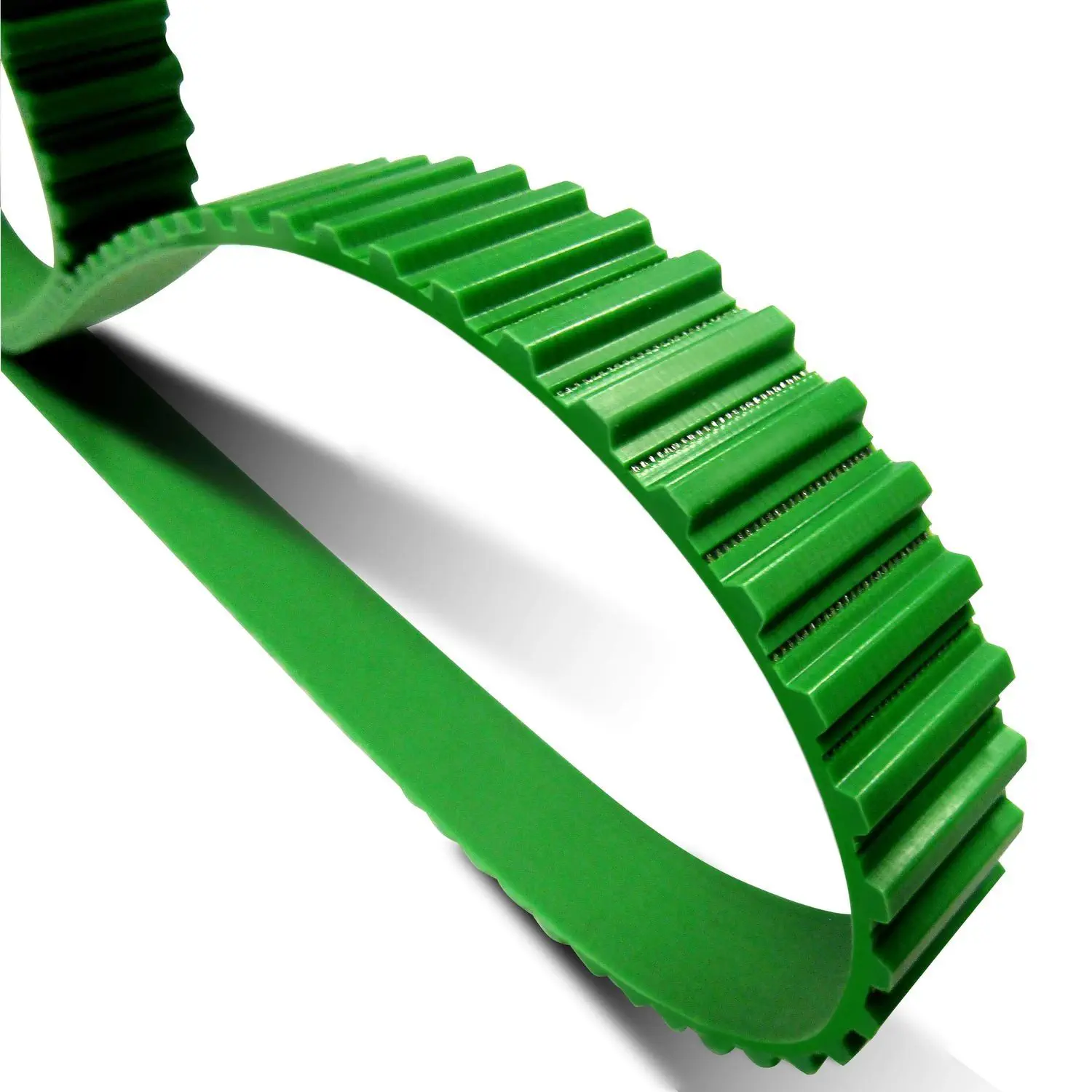
Are there specific maintenance considerations for plastic belts in comparison to other conveyor belt materials?
Yes, there are specific maintenance considerations for plastic belts that differ from other conveyor belt materials. Here’s a detailed explanation:
- 1. Cleaning and Sanitization:
Plastic belts generally have smoother and non-porous surfaces compared to other conveyor belt materials such as fabric or rubber. This characteristic makes plastic belts easier to clean and sanitize. They can be cleaned using standard cleaning agents, high-pressure washdowns, or even steam cleaning. Regular cleaning is essential to remove food residues, dirt, or contaminants and maintain the hygiene and cleanliness of plastic belts in applications such as food processing. However, it’s important to follow the manufacturer’s guidelines for cleaning methods and avoid using harsh chemicals that may damage the plastic material.
- 2. Belt Tracking:
Proper belt tracking is important for the smooth and efficient operation of conveyor systems. Plastic belts may require more frequent monitoring and adjustment for proper tracking compared to other materials. Factors such as changes in tension, load distribution, or environmental conditions can affect belt tracking. Regular visual inspection and adjustment of tracking mechanisms, such as tensioners or tracking guides, are necessary to ensure the plastic belts stay aligned and centered on the conveyor system.
- 3. Wear and Tear:
Plastic belts can experience wear and tear over time due to factors such as friction, load impacts, or abrasive materials. Regular inspection of the belt surface for signs of wear, including cracks, tears, or fraying, is important to identify potential issues early. Some plastic belts may have wear indicators that help determine when the belt needs to be replaced. It’s essential to follow the manufacturer’s recommendations for belt replacement intervals and consider using reinforced or heavy-duty plastic belts in applications where increased durability is required.
- 4. Temperature Considerations:
Plastic belts have specific temperature limitations compared to other conveyor belt materials. Extreme temperatures can affect the performance and longevity of plastic belts. High temperatures can cause plastic belts to soften or deform, while low temperatures can make them brittle and prone to cracking. It’s important to choose plastic belts that are suitable for the temperature range of the application. In outdoor environments or applications with temperature fluctuations, using plastic belts with appropriate temperature resistance or considering additional insulation measures may be necessary.
- 5. Chemical Exposure:
Plastic belts may have different chemical resistance properties compared to other conveyor belt materials. Exposure to certain chemicals or corrosive substances can degrade the plastic material and compromise the belt’s performance. It’s crucial to select plastic belts that are compatible with the specific chemicals present in the application and consider using chemical-resistant coatings or additives if needed. Regular inspection for signs of chemical damage and prompt replacement of damaged belts are essential to maintain the integrity and functionality of plastic belts.
In summary, plastic belts have specific maintenance considerations compared to other conveyor belt materials. Cleaning and sanitization procedures, belt tracking, monitoring wear and tear, temperature considerations, and chemical exposure are important aspects to address when maintaining plastic belts. Following manufacturer’s guidelines, conducting regular inspections, and implementing appropriate maintenance practices can help ensure the longevity and optimal performance of plastic belts in conveyor systems.
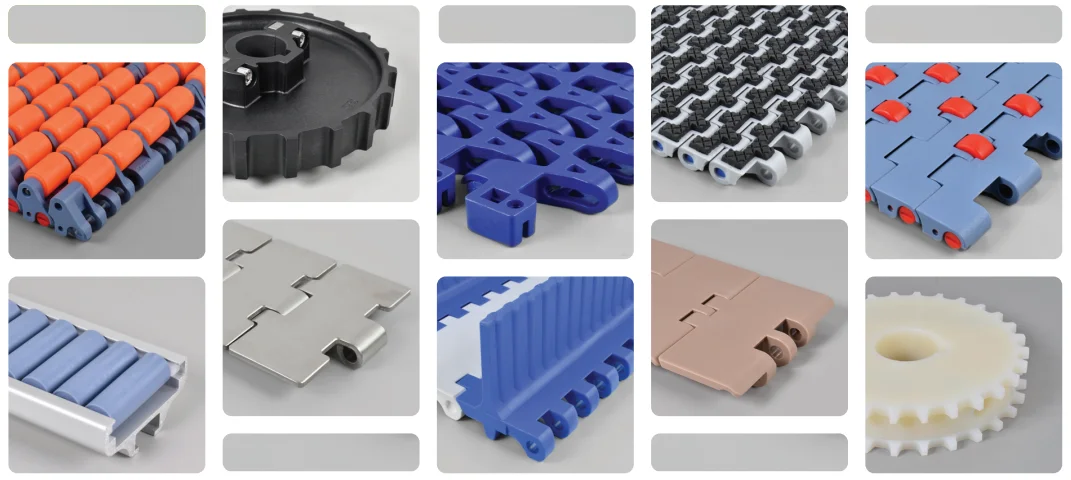
Can you explain the advantages of using plastic belts over traditional materials in conveyor systems?
Using plastic belts in conveyor systems offers several advantages over traditional materials such as rubber or fabric. Plastic belts, also known as polymer belts or synthetic belts, are made from various types of plastic materials and provide unique characteristics that make them desirable for conveyor applications. Here’s a detailed explanation of the advantages of using plastic belts over traditional materials in conveyor systems:
- Durability and Longevity:
- Versatility and Customization:
- Hygienic and Easy to Clean:
- Low Friction and Energy Efficiency:
- Chemical Resistance:
- Lightweight and Easy Installation:
Plastic belts are known for their durability and longevity. They are resistant to wear, abrasion, and impact, allowing them to withstand harsh operating conditions. Unlike rubber or fabric belts, plastic belts do not easily degrade or stretch over time. They can handle heavy loads and maintain their shape and performance for extended periods, resulting in reduced maintenance and replacement costs for conveyor systems.
Plastic belts offer versatility and customization options for conveyor systems. They can be manufactured in various sizes, widths, and configurations to meet specific application requirements. Plastic belts can have different surface patterns, such as smooth, textured, or perforated, providing enhanced grip, airflow, or product release capabilities. Additionally, plastic belts can be designed with specialized features like high temperature resistance, chemical resistance, or anti-static properties, making them suitable for diverse industries and conveyor applications.
Plastic belts are highly hygienic and easy to clean, making them ideal for industries with strict cleanliness and sanitation standards. Unlike fabric belts, plastic belts do not absorb liquids or harbor bacteria, reducing the risk of contamination in food processing, pharmaceutical, or other clean environments. Plastic belts can be easily cleaned using water, steam, or cleaning agents, ensuring optimal hygiene and compliance with industry regulations.
Plastic belts offer low friction characteristics, resulting in energy-efficient conveyor systems. The reduced friction between the belt and the conveyor components minimizes power consumption, allowing for cost savings and environmental benefits. Additionally, the low friction properties of plastic belts contribute to smoother and quieter operation, reducing noise levels in the workplace.
Plastic belts exhibit excellent chemical resistance, making them suitable for conveyor systems that handle corrosive or aggressive substances. They can withstand exposure to various chemicals, oils, solvents, and cleaning agents without deteriorating or experiencing significant damage. Plastic belts’ chemical resistance ensures their longevity and reliability in industries such as chemical processing, pharmaceuticals, or wastewater treatment.
Plastic belts are lightweight compared to traditional materials, facilitating easy installation and maintenance of conveyor systems. The reduced weight of plastic belts reduces the strain on conveyor components, extending their lifespan. Additionally, the lightweight nature of plastic belts simplifies handling during installation or replacement, improving efficiency and reducing downtime.
In summary, using plastic belts in conveyor systems offers significant advantages over traditional materials. They provide durability, versatility, and customization options, ensuring long-lasting and efficient performance. Plastic belts are hygienic, easy to clean, and resistant to chemicals, making them suitable for industries with strict cleanliness requirements. They offer low friction and energy efficiency, contributing to cost savings and environmental benefits. Moreover, plastic belts are lightweight and easy to install, simplifying maintenance and reducing downtime. These advantages make plastic belts a preferred choice in various industries for their conveyor system needs.


editor by CX 2024-01-11