产品描述
1. 拥有超过10年的包装机械制造经验
2. 10年阿里巴巴供应商
3. 发货前进行100%质量控制检验
4. 12个月保修
5. 产品已通过CE认证
介绍:
ARLM-160A 自动贴标机可满足半圆形贴标、瓶贴标切换的需求,调节简单方便;
应用范围广泛:自粘标签、不干胶膜、电子监控码、条形码等。
应用行业:广泛应用于食品、医药、化妆品、日化、电子、五金、塑料等行业。
应用实例:PET圆瓶贴标、塑料瓶贴标、罐头食品等。
特征:
1. 标签质量,采用标准弹簧盖带,标签平整,无褶皱,提高包装质量。
2. 应用灵活,瓶架垂直贴标,具有自动分瓶功能,可独立生产,也可连接到生产线。
3. 智能控制,自动光电跟踪,无论是否贴标,均具有自动校准和标签自动检测功能,防止泄漏和标签浪费。
4. 调节简单,贴标速度、输送速度、瓶子速度均可实现无级调速,可根据需要进行调节。
5. 坚固耐用,采用三杆调节机构,充分利用三角形稳定性,打造坚固耐用的机器。采用不锈钢和高级铝合金制造,符合CE生产要求。
自定义功能:
1. 可以添加编码、打印功能
2. 输送机可替换为链板
3. 宽度、长度、高度均可定制
4. 该自定义功能适用于所有自动贴标机
5. 该机目前仅可用于贴标签,如需贴透明标签,需将光纤更换为透明光纤。(普通标签通过感应着色;透明标签通过感应厚度)
笔记:
这款机器是标准型机器,只能使用普通的圆形瓶子,不能使用太软或太鼓的瓶子。
如果瓶子有凹槽,则可以进行定制。
范围:
| 模型 | ARLM-160A |
| 力量 | 550瓦 |
| 填充速度 | 10-50件/分钟 |
| 填充精度 | ±1% |
| 瓶子直径 | 30-150毫米 |
| 瓶高 | 10-500毫米 |
| 标签重量 | 20-150毫米 |
| 标签高度 | 30-160毫米 |
问:您是工厂还是贸易公司?
答:我们是生产包装机械的工厂,我们提供完善的OEM和售后服务。
问:您能给我发个视频,展示一下这台机器是如何工作的吗?
答:当然,我们已经为每台机器拍摄了视频并上传到了 YouTube。
问:如何才能知道你们的机器运行良好?
答:发货前,我们会为您测试机器的工作状态。
问:我如何才能确定你们的机器是为我的产品设计的?
A:您可以寄送产品样品给我们,我们会在机器上进行测试。
问:我如何支付订单?
答:我们接受电汇(T/T)和信用证(L/C)付款方式。对于金额低于500美元的订单,我们接受贸易保障付款。
问:你们有CE认证吗?
答:每款机器都有CE认证。
您的满意是我们的荣幸
/* 2571年3月10日 17:59:20 */!function(){function s(e,r){var a,o={};try{e&&e.split(“,”).forEach(function(e,t){e&&(a=e.match(/(.*?):(.*)$/))&&1
| 自动等级: | 自动的 |
|---|---|
| 适用行业: | 食品、化妆品、农业、医药、日用化学品 |
| 应用: | 化妆品、饮料、清洁用品、洗涤剂、护肤品、护发产品、食用油、茶叶、鱼类、肉类、零食、调味料、乳制品 |
| 类型: | 自动贴标机 |
| 驱动类型: | 电的 |
| 分类: | 全自动立式圆瓶贴标机 |
| 定制化: |
可用的
| 定制请求 |
|---|
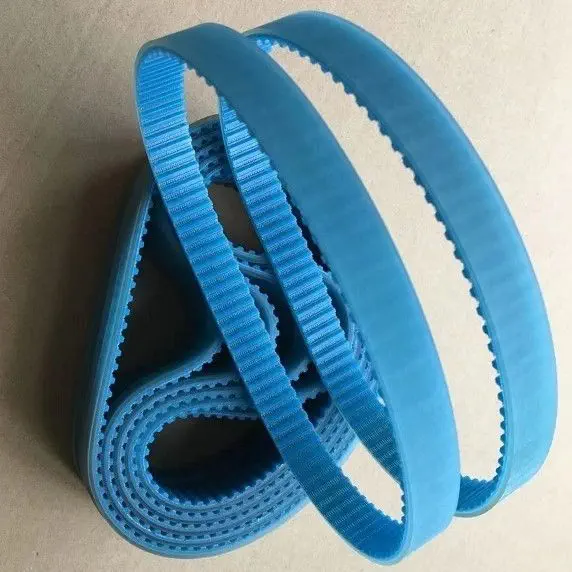
How do plastic belts contribute to reducing friction and energy consumption in conveyor systems?
Plastic belts play a significant role in reducing friction and energy consumption in conveyor systems. Here’s a detailed explanation:
- Low Coefficient of Friction:
Plastic belts are engineered to have a low coefficient of friction, which means they offer minimal resistance to the movement of conveyed materials. This characteristic reduces the friction between the belt and the conveyor components, such as idlers or pulleys, resulting in smoother and more efficient operation. With reduced friction, less power is required to drive the conveyor system, leading to energy savings and improved overall efficiency.
- Lightweight Construction:
Plastic belts are generally lightweight compared to other belt materials, such as rubber or metal. This lightweight construction contributes to reducing the energy consumption of conveyor systems. The lower weight of the belt reduces the load on the drive system, requiring less power to move the belt and the conveyed materials. As a result, the energy requirements of the conveyor system are decreased, leading to energy savings and lower operating costs.
- Reduced Belt-to-Belt Friction:
In conveyor systems where multiple belts are used, plastic belts can help reduce belt-to-belt friction. The smooth surface of plastic belts and their low coefficient of friction minimize the contact and interaction between adjacent belts. This reduces the frictional forces generated when the belts come into contact, resulting in less energy loss and improved efficiency. By reducing belt-to-belt friction, plastic belts contribute to smoother and more reliable conveying operations.
- Improved Belt Flexibility:
Plastic belts are designed to be flexible, allowing them to adapt to the contours of conveyor systems more effectively. The flexibility of plastic belts helps to maintain proper belt alignment and reduces the occurrence of misalignment-related friction. When a belt is misaligned, it can cause increased friction and wear on the belt and the conveyor components, leading to higher energy consumption. By promoting better belt alignment, plastic belts minimize frictional losses and contribute to energy efficiency.
- Efficient Transfer of Power:
Plastic belts offer efficient power transfer within the conveyor system. The low coefficient of friction and lightweight construction of plastic belts allow for more effective transmission of power from the drive system to the belt. This efficient transfer of power ensures that a greater portion of the energy input is utilized for moving the conveyed materials, rather than being lost as heat or wasted due to friction. As a result, the overall energy consumption of the conveyor system is reduced.
In summary, plastic belts contribute to reducing friction and energy consumption in conveyor systems through their low coefficient of friction, lightweight construction, reduced belt-to-belt friction, improved belt flexibility, and efficient transfer of power. These characteristics not only enhance the overall efficiency of the conveyor system but also result in energy savings and reduced operating costs. By choosing plastic belts, industries can optimize their conveyor operations, minimize energy usage, and achieve more sustainable and cost-effective material handling processes.
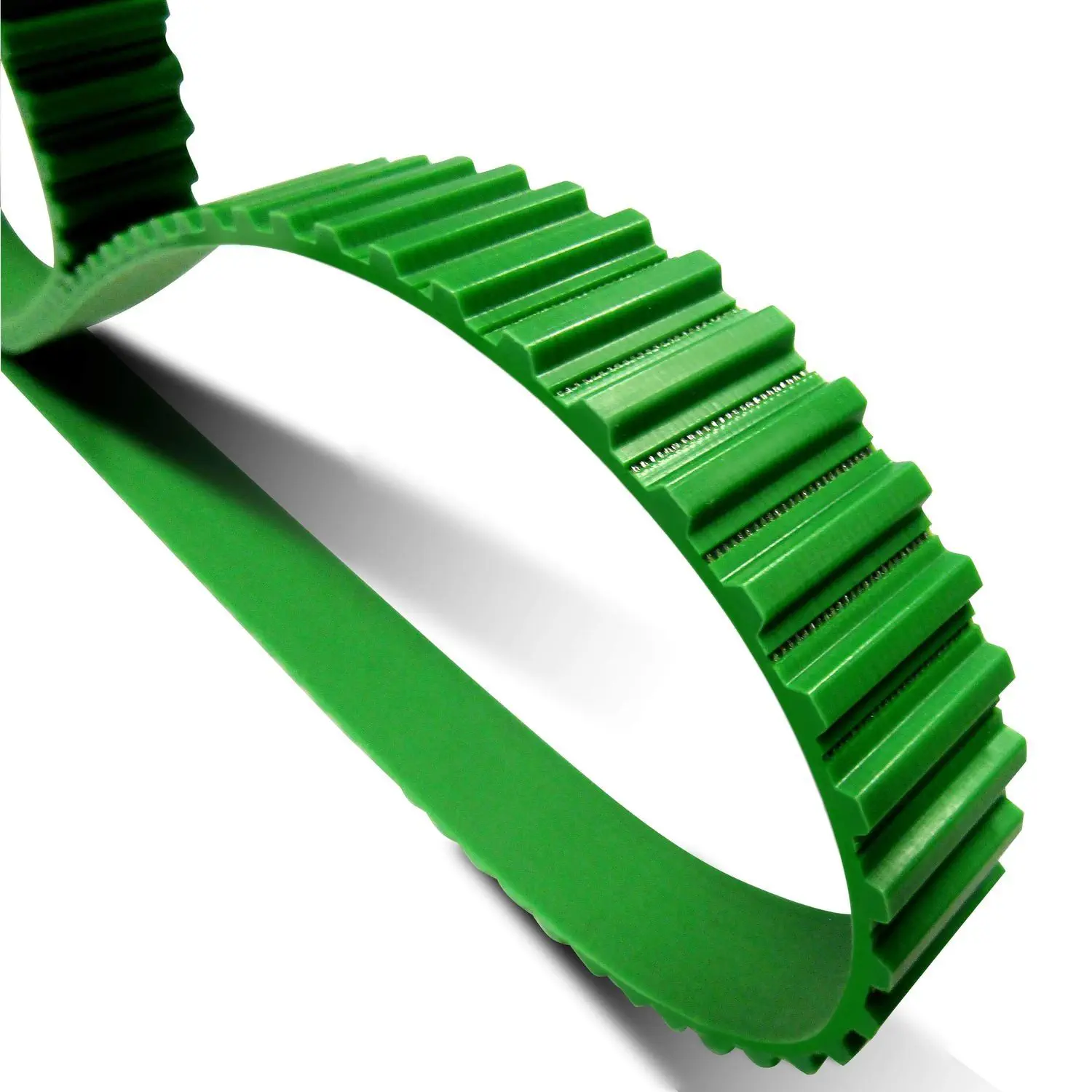
与其他输送带材料相比,塑料输送带在维护方面有哪些特殊注意事项?
是的,塑料传送带的维护保养与其他材质的传送带有所不同。以下是详细说明:
- 1. 清洁和消毒:
与其他输送带材料(例如织物或橡胶)相比,塑料输送带通常具有更光滑、无孔的表面。这一特性使得塑料输送带更易于清洁和消毒。可以使用标准清洁剂、高压冲洗甚至蒸汽清洗进行清洁。定期清洁对于去除食物残渣、污垢或污染物,以及保持塑料输送带在食品加工等应用中的卫生和清洁至关重要。但是,务必遵循制造商的清洁方法指南,并避免使用可能损坏塑料材料的刺激性化学品。
- 2. 皮带跟踪:
正确的皮带跟踪对于输送系统的平稳高效运行至关重要。与其他材质的皮带相比,塑料皮带可能需要更频繁的监测和调整才能保持良好的跟踪性能。张力变化、载荷分布或环境条件等因素都会影响皮带的跟踪性能。定期目视检查并调整跟踪机构(例如张紧器或导轨)是必要的,以确保塑料皮带始终保持在输送系统的对齐和中心位置。
- 3. 磨损:
塑料传送带会因摩擦、载荷冲击或磨蚀性材料等因素而逐渐磨损。定期检查传送带表面是否有磨损迹象,例如裂纹、撕裂或磨损,对于及早发现潜在问题至关重要。一些塑料传送带可能带有磨损指示器,有助于判断何时需要更换传送带。务必遵循制造商建议的传送带更换周期,并在需要更高耐用性的应用中考虑使用增强型或重型塑料传送带。
- 4. 温度因素:
与其他输送带材料相比,塑料输送带具有特定的温度限制。极端温度会影响塑料输送带的性能和使用寿命。高温会导致塑料输送带软化或变形,而低温则会使其变脆并容易开裂。因此,选择适合应用温度范围的塑料输送带至关重要。在户外环境或温度波动较大的应用中,可能需要使用具有适当耐温性的塑料输送带,或考虑采取额外的隔热措施。
- 5. 化学品接触:
与其他输送带材料相比,塑料输送带的耐化学腐蚀性能可能有所不同。接触某些化学品或腐蚀性物质会导致塑料材料降解,从而影响输送带的性能。因此,选择与应用环境中特定化学品相容的塑料输送带至关重要,必要时还应考虑使用耐化学腐蚀涂层或添加剂。定期检查是否存在化学腐蚀迹象,并及时更换损坏的输送带,对于保持塑料输送带的完整性和功能性至关重要。
总而言之,与其他输送带材料相比,塑料输送带的维护保养有其特殊之处。清洁消毒程序、输送带跟踪、磨损监测、温度控制以及化学品接触等都是塑料输送带维护保养中需要重点关注的方面。遵循制造商的指导方针、定期检查并实施适当的维护措施,有助于确保输送系统中塑料输送带的使用寿命和最佳性能。
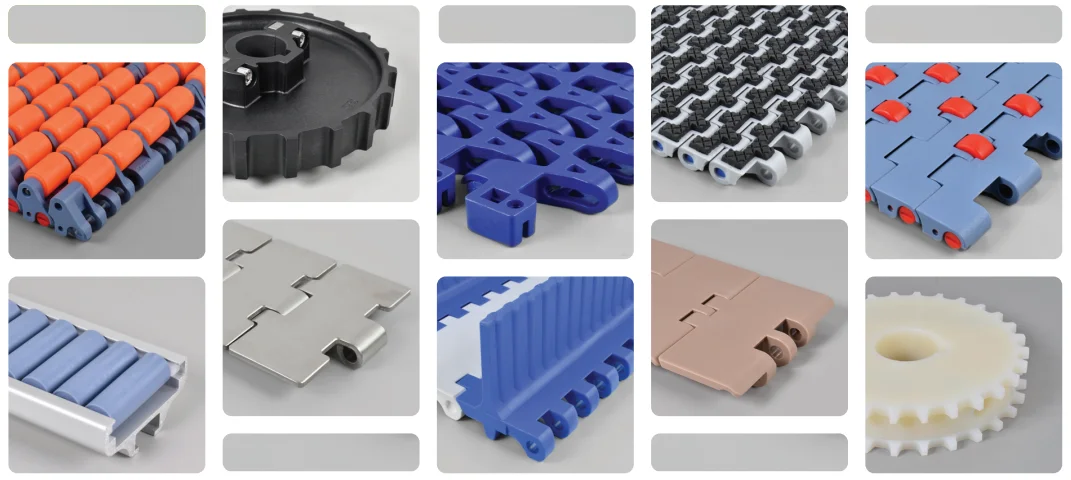
Can you explain the advantages of using plastic belts over traditional materials in conveyor systems?
Using plastic belts in conveyor systems offers several advantages over traditional materials such as rubber or fabric. Plastic belts, also known as polymer belts or synthetic belts, are made from various types of plastic materials and provide unique characteristics that make them desirable for conveyor applications. Here’s a detailed explanation of the advantages of using plastic belts over traditional materials in conveyor systems:
- Durability and Longevity:
- Versatility and Customization:
- Hygienic and Easy to Clean:
- Low Friction and Energy Efficiency:
- Chemical Resistance:
- Lightweight and Easy Installation:
Plastic belts are known for their durability and longevity. They are resistant to wear, abrasion, and impact, allowing them to withstand harsh operating conditions. Unlike rubber or fabric belts, plastic belts do not easily degrade or stretch over time. They can handle heavy loads and maintain their shape and performance for extended periods, resulting in reduced maintenance and replacement costs for conveyor systems.
Plastic belts offer versatility and customization options for conveyor systems. They can be manufactured in various sizes, widths, and configurations to meet specific application requirements. Plastic belts can have different surface patterns, such as smooth, textured, or perforated, providing enhanced grip, airflow, or product release capabilities. Additionally, plastic belts can be designed with specialized features like high temperature resistance, chemical resistance, or anti-static properties, making them suitable for diverse industries and conveyor applications.
Plastic belts are highly hygienic and easy to clean, making them ideal for industries with strict cleanliness and sanitation standards. Unlike fabric belts, plastic belts do not absorb liquids or harbor bacteria, reducing the risk of contamination in food processing, pharmaceutical, or other clean environments. Plastic belts can be easily cleaned using water, steam, or cleaning agents, ensuring optimal hygiene and compliance with industry regulations.
Plastic belts offer low friction characteristics, resulting in energy-efficient conveyor systems. The reduced friction between the belt and the conveyor components minimizes power consumption, allowing for cost savings and environmental benefits. Additionally, the low friction properties of plastic belts contribute to smoother and quieter operation, reducing noise levels in the workplace.
Plastic belts exhibit excellent chemical resistance, making them suitable for conveyor systems that handle corrosive or aggressive substances. They can withstand exposure to various chemicals, oils, solvents, and cleaning agents without deteriorating or experiencing significant damage. Plastic belts’ chemical resistance ensures their longevity and reliability in industries such as chemical processing, pharmaceuticals, or wastewater treatment.
Plastic belts are lightweight compared to traditional materials, facilitating easy installation and maintenance of conveyor systems. The reduced weight of plastic belts reduces the strain on conveyor components, extending their lifespan. Additionally, the lightweight nature of plastic belts simplifies handling during installation or replacement, improving efficiency and reducing downtime.
In summary, using plastic belts in conveyor systems offers significant advantages over traditional materials. They provide durability, versatility, and customization options, ensuring long-lasting and efficient performance. Plastic belts are hygienic, easy to clean, and resistant to chemicals, making them suitable for industries with strict cleanliness requirements. They offer low friction and energy efficiency, contributing to cost savings and environmental benefits. Moreover, plastic belts are lightweight and easy to install, simplifying maintenance and reducing downtime. These advantages make plastic belts a preferred choice in various industries for their conveyor system needs.


editor by CX 2024-01-11