Product Description
1. More than10 years manufacture in packing machine
2. 10 years alibaba supplier
3. 100% QC inspection before shipment
4. 12 months warranty
5. Product Certificated by CE
Introduction:
ARLM-160A Automatic Labeling Machine can meet the needs of semi circle labeling, bottle labeling switching between simple, convenient adjustment;
Wide application range: self-adhesive labels, adhesive film, electronic monitoring code, bar code etc..
Application Industry: widely used in food, medicine, cosmetics, daily chemical, electronics, hardware, plastics and other industries.
Application example: PET round bottle labeling, plastic bottle labeling, canned food, etc.
Features:
1. Labeling quality, using standard of spring cover belt, labeling smooth, no wrinkles, improve packaging quality.
2. Flexible application, bottle stand vertical labeling, with automatic sub bottle function, can be stand-alone production, can also be connected to the production line.
3. Intelligent control, automatic photoelectric tracking, with no matter no labeling, no standard automatic calibration and label automatic detection function, prevent leakage and label waste.
4. Simple adjustment, labeling speed, conveying speed, bottle speed can be achieved stepless speed regulation, according to the need to adjust.
5. Durable, using 3 bar adjustment mechanism, make full use of triangular stability, solid durable machine. Made of stainless steel and advanced aluminum alloy, accord with CE Production requirements.
Customized Functions:
1. Can add coding,printing
2. The conveyor can be replaced with a chain plate
3. The width,length,hight can be customize
4. The custom function is applicable to all automatic labeling machines
5. The machine can only be used to sticker labels, can be customized to stick transparent labels, need to change the optical fiber to transparent optical fiber.(Conventional label by induction color; Transparent label by induction thickness)
Note:
This machine is standard machine, can only be used normal round bottles , can not be too soft or bulge.
Can be customized if the bottle has grooves.
Parameter:
| Model | ARLM-160A |
| Power | 550W |
| Filling speed | 10-50PCS/min |
| Filling accuracy | ±1% |
| Bottle diameter | 30-150mm |
| Bottle high | 10-500mm |
| Lable Weight | 20-150mm |
| Lable Hight | 30-160mm |
Q: Are you a factory or a trading company?
A: We are factory manufacturing packaging machines and weprovide perfect OEM and after-sale service.
Q: Can you send me the video to show how the machine works?
A: Certainly, we have made video of every machine and uploaded them to Youtube.
Q: How can I know your machine works well?
A: Before delivery, we shall test the machine working condition for you.
Q: How can I know your machine is designed for my product?
A: You can send us samples of your product and we test it on machine.
Q: How can I pay my order?
A: We accept T/T, L/C paying methods. For those orders less than 500USD, we accept Trade Assurance to pay.
Q: Do you have a CE certificate?
A: For every model of machine, it has a CE certificate.
Your Satisfaction is Our Honor
/* March 10, 2571 17:59:20 */!function(){function s(e,r){var a,o={};try{e&&e.split(“,”).forEach(function(e,t){e&&(a=e.match(/(.*?):(.*)$/))&&1
| Automatic Grade: | Automatic |
|---|---|
| Applicable Industry: | Food, Cosmetics, Agriculture, Medicine, Daily Chem |
| Application: | Cosmetics, Drinks, Cleaning, Detergent, Skin Care Products, Hair Care Products, Oil, Tea, Fish, Meat, Snack, Seasoning, Dairy Products |
| Type: | Automatic Labeling Machine |
| Driven Type: | Electric |
| Classification: | Automatic Vertical Round Bottle Labeling Machine |
| Customization: |
Available
| Customized Request |
|---|
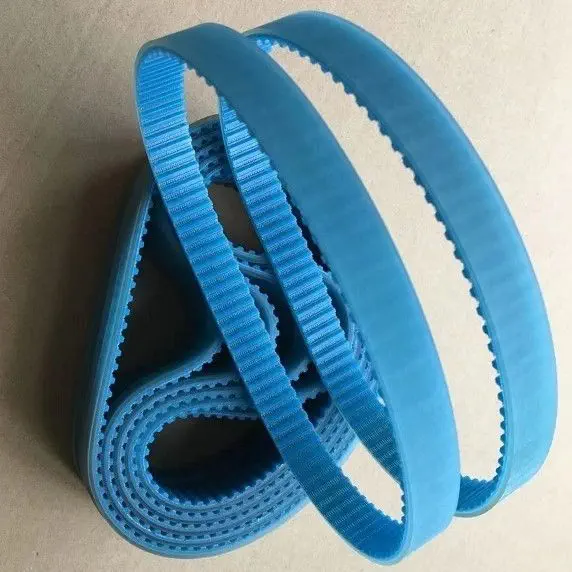
How do plastic belts contribute to reducing friction and energy consumption in conveyor systems?
Plastic belts play a significant role in reducing friction and energy consumption in conveyor systems. Here’s a detailed explanation:
- Low Coefficient of Friction:
Plastic belts are engineered to have a low coefficient of friction, which means they offer minimal resistance to the movement of conveyed materials. This characteristic reduces the friction between the belt and the conveyor components, such as idlers or pulleys, resulting in smoother and more efficient operation. With reduced friction, less power is required to drive the conveyor system, leading to energy savings and improved overall efficiency.
- Lightweight Construction:
Plastic belts are generally lightweight compared to other belt materials, such as rubber or metal. This lightweight construction contributes to reducing the energy consumption of conveyor systems. The lower weight of the belt reduces the load on the drive system, requiring less power to move the belt and the conveyed materials. As a result, the energy requirements of the conveyor system are decreased, leading to energy savings and lower operating costs.
- Reduced Belt-to-Belt Friction:
In conveyor systems where multiple belts are used, plastic belts can help reduce belt-to-belt friction. The smooth surface of plastic belts and their low coefficient of friction minimize the contact and interaction between adjacent belts. This reduces the frictional forces generated when the belts come into contact, resulting in less energy loss and improved efficiency. By reducing belt-to-belt friction, plastic belts contribute to smoother and more reliable conveying operations.
- Improved Belt Flexibility:
Plastic belts are designed to be flexible, allowing them to adapt to the contours of conveyor systems more effectively. The flexibility of plastic belts helps to maintain proper belt alignment and reduces the occurrence of misalignment-related friction. When a belt is misaligned, it can cause increased friction and wear on the belt and the conveyor components, leading to higher energy consumption. By promoting better belt alignment, plastic belts minimize frictional losses and contribute to energy efficiency.
- Efficient Transfer of Power:
Plastic belts offer efficient power transfer within the conveyor system. The low coefficient of friction and lightweight construction of plastic belts allow for more effective transmission of power from the drive system to the belt. This efficient transfer of power ensures that a greater portion of the energy input is utilized for moving the conveyed materials, rather than being lost as heat or wasted due to friction. As a result, the overall energy consumption of the conveyor system is reduced.
In summary, plastic belts contribute to reducing friction and energy consumption in conveyor systems through their low coefficient of friction, lightweight construction, reduced belt-to-belt friction, improved belt flexibility, and efficient transfer of power. These characteristics not only enhance the overall efficiency of the conveyor system but also result in energy savings and reduced operating costs. By choosing plastic belts, industries can optimize their conveyor operations, minimize energy usage, and achieve more sustainable and cost-effective material handling processes.
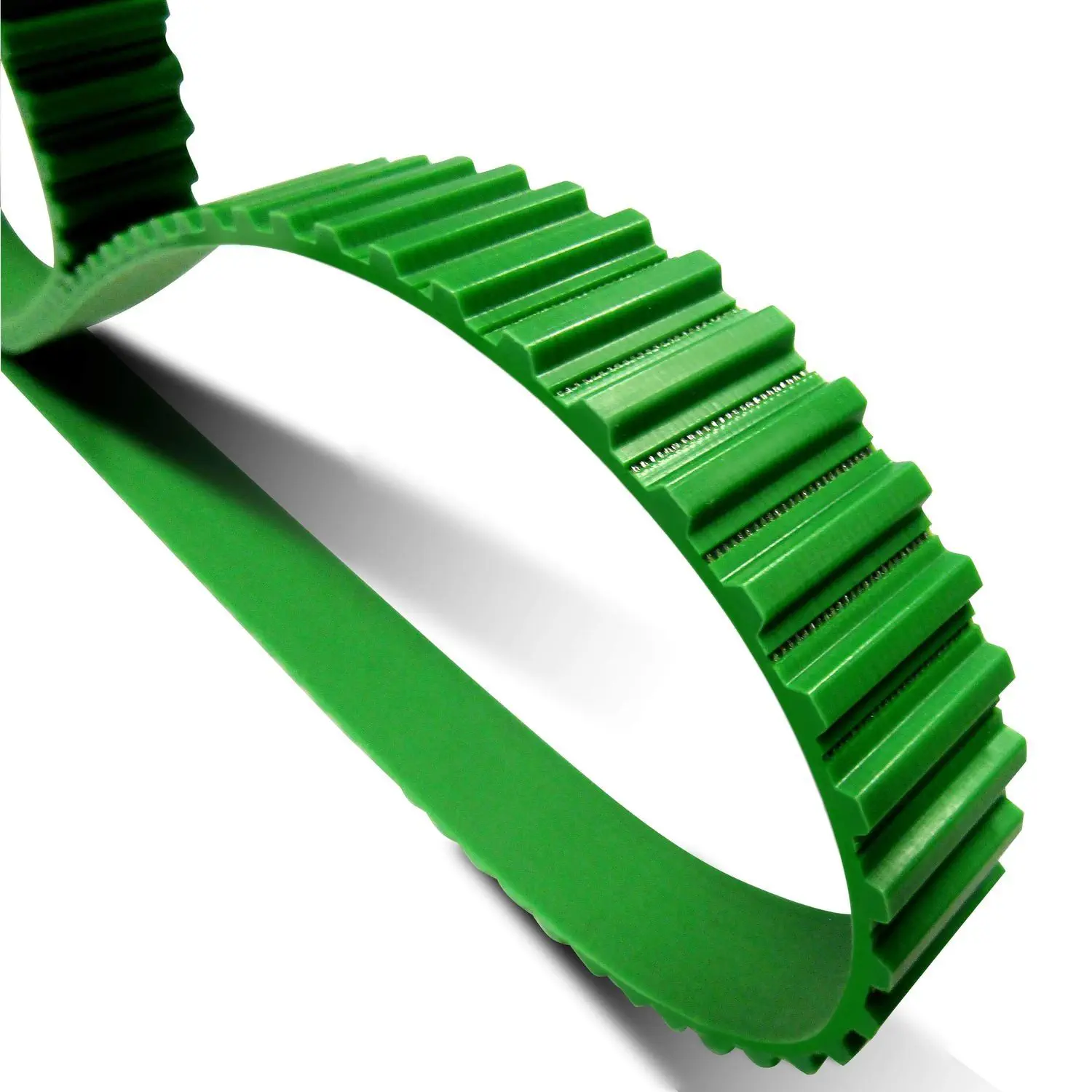
Are there specific maintenance considerations for plastic belts in comparison to other conveyor belt materials?
Yes, there are specific maintenance considerations for plastic belts that differ from other conveyor belt materials. Here’s a detailed explanation:
- 1. Cleaning and Sanitization:
Plastic belts generally have smoother and non-porous surfaces compared to other conveyor belt materials such as fabric or rubber. This characteristic makes plastic belts easier to clean and sanitize. They can be cleaned using standard cleaning agents, high-pressure washdowns, or even steam cleaning. Regular cleaning is essential to remove food residues, dirt, or contaminants and maintain the hygiene and cleanliness of plastic belts in applications such as food processing. However, it’s important to follow the manufacturer’s guidelines for cleaning methods and avoid using harsh chemicals that may damage the plastic material.
- 2. Belt Tracking:
Proper belt tracking is important for the smooth and efficient operation of conveyor systems. Plastic belts may require more frequent monitoring and adjustment for proper tracking compared to other materials. Factors such as changes in tension, load distribution, or environmental conditions can affect belt tracking. Regular visual inspection and adjustment of tracking mechanisms, such as tensioners or tracking guides, are necessary to ensure the plastic belts stay aligned and centered on the conveyor system.
- 3. Wear and Tear:
Plastic belts can experience wear and tear over time due to factors such as friction, load impacts, or abrasive materials. Regular inspection of the belt surface for signs of wear, including cracks, tears, or fraying, is important to identify potential issues early. Some plastic belts may have wear indicators that help determine when the belt needs to be replaced. It’s essential to follow the manufacturer’s recommendations for belt replacement intervals and consider using reinforced or heavy-duty plastic belts in applications where increased durability is required.
- 4. Temperature Considerations:
Plastic belts have specific temperature limitations compared to other conveyor belt materials. Extreme temperatures can affect the performance and longevity of plastic belts. High temperatures can cause plastic belts to soften or deform, while low temperatures can make them brittle and prone to cracking. It’s important to choose plastic belts that are suitable for the temperature range of the application. In outdoor environments or applications with temperature fluctuations, using plastic belts with appropriate temperature resistance or considering additional insulation measures may be necessary.
- 5. Chemical Exposure:
Plastic belts may have different chemical resistance properties compared to other conveyor belt materials. Exposure to certain chemicals or corrosive substances can degrade the plastic material and compromise the belt’s performance. It’s crucial to select plastic belts that are compatible with the specific chemicals present in the application and consider using chemical-resistant coatings or additives if needed. Regular inspection for signs of chemical damage and prompt replacement of damaged belts are essential to maintain the integrity and functionality of plastic belts.
In summary, plastic belts have specific maintenance considerations compared to other conveyor belt materials. Cleaning and sanitization procedures, belt tracking, monitoring wear and tear, temperature considerations, and chemical exposure are important aspects to address when maintaining plastic belts. Following manufacturer’s guidelines, conducting regular inspections, and implementing appropriate maintenance practices can help ensure the longevity and optimal performance of plastic belts in conveyor systems.
Can you describe the different types of plastic belts available in the market today?
There are several different types of plastic belts available in the market today, each designed to meet specific application requirements. Here’s an overview of some commonly used types:
- 1. Modular Plastic Belts:
Modular plastic belts consist of interlocking plastic modules or links that form a continuous belt. These belts offer flexibility, allowing them to navigate around corners, bends, and other obstacles smoothly. They are commonly used in applications that require accumulation, incline/decline conveying, or small product transfer. Modular plastic belts are available in various configurations, such as flat-top, flush-grid, and raised-rib designs, to accommodate different product types and handling requirements.
- 2. Solid Plastic Belts:
Solid plastic belts are made from a single piece of plastic material without interlocking modules. They offer a smooth and continuous surface, making them suitable for applications that require stable and consistent product conveying. Solid plastic belts are often used in industries such as food processing, where hygiene, easy cleaning, and resistance to contamination are crucial.
- 3. Cleated Plastic Belts:
Cleated plastic belts feature integrally molded cleats or projections on their surface. These cleats help to prevent product slippage and facilitate the inclined or vertical movement of bulk materials or packages. Cleated plastic belts are commonly used in applications such as incline or decline conveying, sorting, and elevating products in industries like agriculture, recycling, and manufacturing.
- 4. Wire Mesh Plastic Belts:
Wire mesh plastic belts consist of a plastic mesh overlaying metal or plastic rods. These belts offer an open and breathable surface, allowing for easy drainage, airflow, and visual inspection of conveyed products. They are often used in applications where heat, steam, or liquids need to pass through the belt, such as baking ovens, washing processes, or drying operations in the food industry.
- 5. Vacuum Plastic Belts:
Vacuum plastic belts are designed with a perforated or porous surface that allows the application of vacuum pressure to hold and stabilize lightweight or delicate products during conveying. These belts are commonly used in industries such as electronics, printing, and packaging, where precise positioning and gentle handling of products are required.
- 6. Anti-Static Plastic Belts:
Anti-static plastic belts are specifically designed to dissipate static electricity and prevent the buildup of electrostatic charges. They are used in applications where static discharge could damage sensitive electronic components or create safety hazards. Anti-static plastic belts are commonly employed in electronics manufacturing, semiconductor production, and cleanroom environments.
These are just a few examples of the different types of plastic belts available in the market today. The choice of plastic belt depends on factors such as the application requirements, load capacity, product characteristics, environmental conditions, and industry-specific regulations. Manufacturers often offer a range of customization options to tailor the belt design, material, and features to meet the specific needs of their customers.


editor by CX 2024-02-06