Product Description
Our Services
Product Design Material Selection
Mold Design Mold Making
Bulk Production Logo Printing
Surface Treatment Assembling
Packaging Door to Door Delivery
| Material | Nylon ,mc nylon, POM,ABS,PU,PP,PE,PTFE,UHMWPE,HDPE,LDPE, PVC,etc. |
| Color | Black, white, red, green, transparent or any color according to Pantone code |
| Size | As per customer’s requirements |
| Technology | Injection molding, CNC machining, Extrusion |
| Surface Treatment | Powder coating, Zinc coating, Galvanization, Electro-deposition coating, Chrome/zinc/nickel plating, Polishing, Silkscreen, Black oxide |
| Application | Automotive, ATV, Mechanical equipment, Construction, Home appliance, Aviation, Office facilities, Agriculture, etc. |
| Shippment | We have longterm cooperation with internation shipping agent and express company, so that shipping safty and arriving time are secured |
Detail Image
Why Choose Us
Our Machine
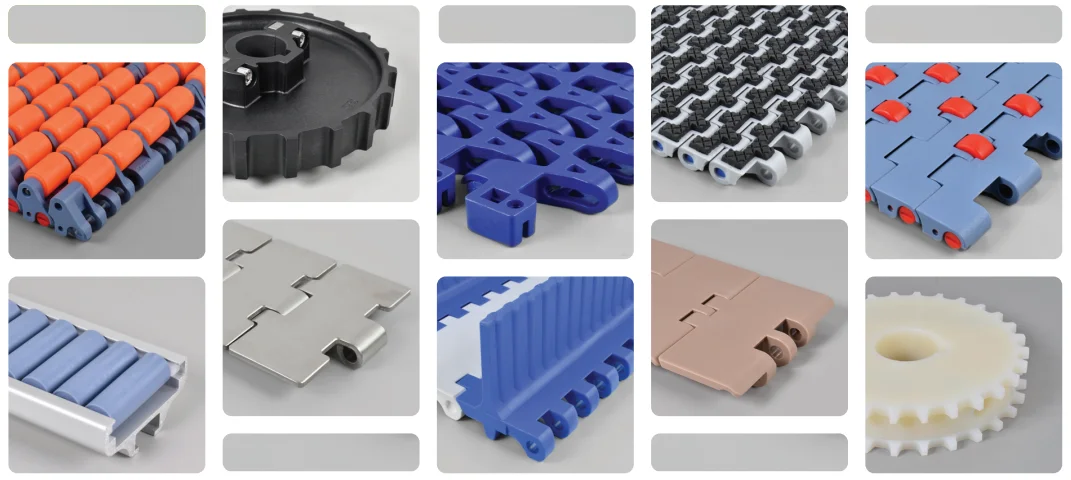
Product Range
Contact Us /* March 10, 2571 17:59:20 */!function(){function s(e,r){var a,o={};try{e&&e.split(“,”).forEach(function(e,t){e&&(a=e.match(/(.*?):(.*)$/))&&1
| Customized: | Customized |
|---|---|
| Color: | Customized |
| Type: | Rotating Wheel |
| Surface Treatment: | Customized |
| Size: | Customized |
| Material: | Plastic |
| Customization: |
Available
| Customized Request |
|---|
Can you provide insights into the future trends and developments in plastic belt technology for industrial conveyance?
Plastic belt technology for industrial conveyance is continuously evolving, driven by advancements in materials science, manufacturing processes, and industry demands. Here are some insights into the future trends and developments in plastic belt technology:
- 1. Enhanced Material Formulations:
Future developments in plastic belt technology will likely involve the development of advanced material formulations with improved properties. Manufacturers are investing in research and development to enhance the strength, durability, and wear resistance of plastic belts. These developments may include the use of new polymers, additives, and reinforcement materials to create belts that can withstand higher loads, temperatures, and abrasive environments.
- 2. Increased Customization:
Customization is becoming a significant trend in plastic belt technology. Conveyor systems are used in a wide range of industries with varying requirements, and customization allows for tailored solutions. In the future, plastic belt manufacturers may offer a wider range of customization options, such as belt width, surface patterns, and specialized coatings, to meet specific application needs. This trend will enable optimized performance, improved efficiency, and reduced maintenance for industrial conveyance systems.
- 3. Integration of Smart Technologies:
Smart technologies are increasingly being integrated into industrial systems, and plastic belt technology is no exception. In the future, plastic belts may incorporate sensors, data collection devices, and connectivity features to enable real-time monitoring and analysis of belt performance. This integration of smart technologies will allow for predictive maintenance, early fault detection, and optimization of conveyor system efficiency. The data collected from the belts can be used to optimize operations, reduce downtime, and improve overall productivity.
- 4. Focus on Sustainability:
Sustainability is a growing concern in the industrial sector, and future developments in plastic belt technology will likely reflect this trend. Manufacturers are exploring ways to reduce the environmental impact of plastic belts by incorporating recycled materials, adopting more sustainable manufacturing processes, and improving end-of-life management. Additionally, there may be an increased emphasis on designing belts that are lighter in weight, energy-efficient, and recyclable, thus further enhancing the sustainability profile of plastic belt technology.
- 5. Advancements in Joining and Splicing Techniques:
The joining and splicing of plastic belts are critical for creating a continuous and reliable conveyor system. Future developments may focus on advancements in joining and splicing techniques to improve the strength, flexibility, and longevity of belt connections. This can involve the development of new bonding agents, welding methods, or mechanical fastening systems that provide stronger and more durable belt joints. These advancements will contribute to the overall performance and reliability of plastic belt technology in industrial conveyance.
In summary, the future of plastic belt technology for industrial conveyance is expected to witness advancements in material formulations, increased customization options, integration of smart technologies, a focus on sustainability, and improvements in joining and splicing techniques. These developments will drive enhanced performance, efficiency, and sustainability of conveyor systems, meeting the evolving needs of industries across various sectors.
What factors should be considered when selecting plastic belts for different industrial applications?
When selecting plastic belts for different industrial applications, several factors should be taken into consideration. Here are the key factors to consider:
- 1. Application Requirements:
Understand the specific requirements of the application. Consider factors such as the type of products being conveyed, the weight and size of the loads, the desired conveying speed, the operating temperature range, the presence of moisture or chemicals, and any special handling needs. Clear knowledge of the application requirements will help in selecting a plastic belt with the appropriate characteristics and capabilities.
- 2. Belt Configuration and Design:
Consider the belt configuration and design that best suits the application. Different plastic belts come in various configurations, including flat-top, flush-grid, raised-rib, and modular designs. Evaluate the belt’s surface texture, open area percentage, and any specialized features such as cleats, perforations, or vacuum capabilities. The belt design should align with the product characteristics, conveying conditions, and any specific requirements like incline/decline conveying or product diverting.
- 3. Material Selection:
Choose the appropriate plastic material for the belt based on the application’s demands. Common plastic materials used for belts include polyethylene (PE), polypropylene (PP), acetal (POM), polyvinyl chloride (PVC), and polyurethane (PU). Consider factors such as chemical resistance, temperature resistance, wear resistance, flexibility, and food-grade compliance. Ensure the selected material can withstand the operating conditions and environmental factors that the belt will encounter.
- 4. Load Capacity and Durability:
Evaluate the load capacity requirements of the application and select a plastic belt that can handle the intended loads. Consider the weight capacity per unit width and the overall strength and durability of the belt. Factors such as the belt’s tensile strength, impact resistance, and resistance to abrasion or wear are important for ensuring the longevity and reliability of the belt in demanding industrial environments.
- 5. Cleanability and Hygiene:
In industries with stringent hygiene requirements, such as food processing or pharmaceuticals, prioritize plastic belts that are easy to clean and sanitize. Look for belts with smooth, non-porous surfaces that resist bacterial growth and are compatible with regular washdown procedures. Consider whether the belt can withstand cleaning agents and temperature variations without degradation or compromising its hygienic properties.
- 6. Compatibility with Conveyor System:
Ensure the selected plastic belt is compatible with the existing or planned conveyor system. Consider factors such as the belt’s width and length options, the type of conveyor system (e.g., flatbed, roller, or modular), the compatibility of the belt’s sprockets or pulleys with the conveyor system, and the ease of installation and maintenance. Proper compatibility will ensure smooth integration and optimal performance of the belt within the conveyor system.
- 7. Cost and Long-Term Value:
Evaluate the cost-effectiveness and long-term value of the plastic belt. Consider not only the upfront cost of the belt but also its expected lifespan, maintenance requirements, and potential savings in terms of reduced downtime, increased productivity, and lower operational costs. Balancing cost considerations with the desired performance and durability will help in selecting a plastic belt that delivers the best value for the specific industrial application.
By considering these factors in the selection process, industries can choose the most suitable plastic belt that meets the unique requirements of their industrial applications, ensuring efficient and reliable material handling operations.
What are plastic belts, and how are they used in various industries?
Plastic belts, also known as polymer belts or synthetic belts, are conveyor belts made from various types of plastic materials. These belts are used in a wide range of industries for conveying, transporting, or processing materials or products. Plastic belts offer several advantages over traditional belt materials such as rubber or fabric, including durability, versatility, and ease of maintenance. Here’s a detailed explanation of plastic belts and their applications in various industries:
- Composition and Construction:
- Food and Beverage Industry:
- Automotive Industry:
- Packaging and Logistics:
- Agriculture and Horticulture:
- Other Industries:
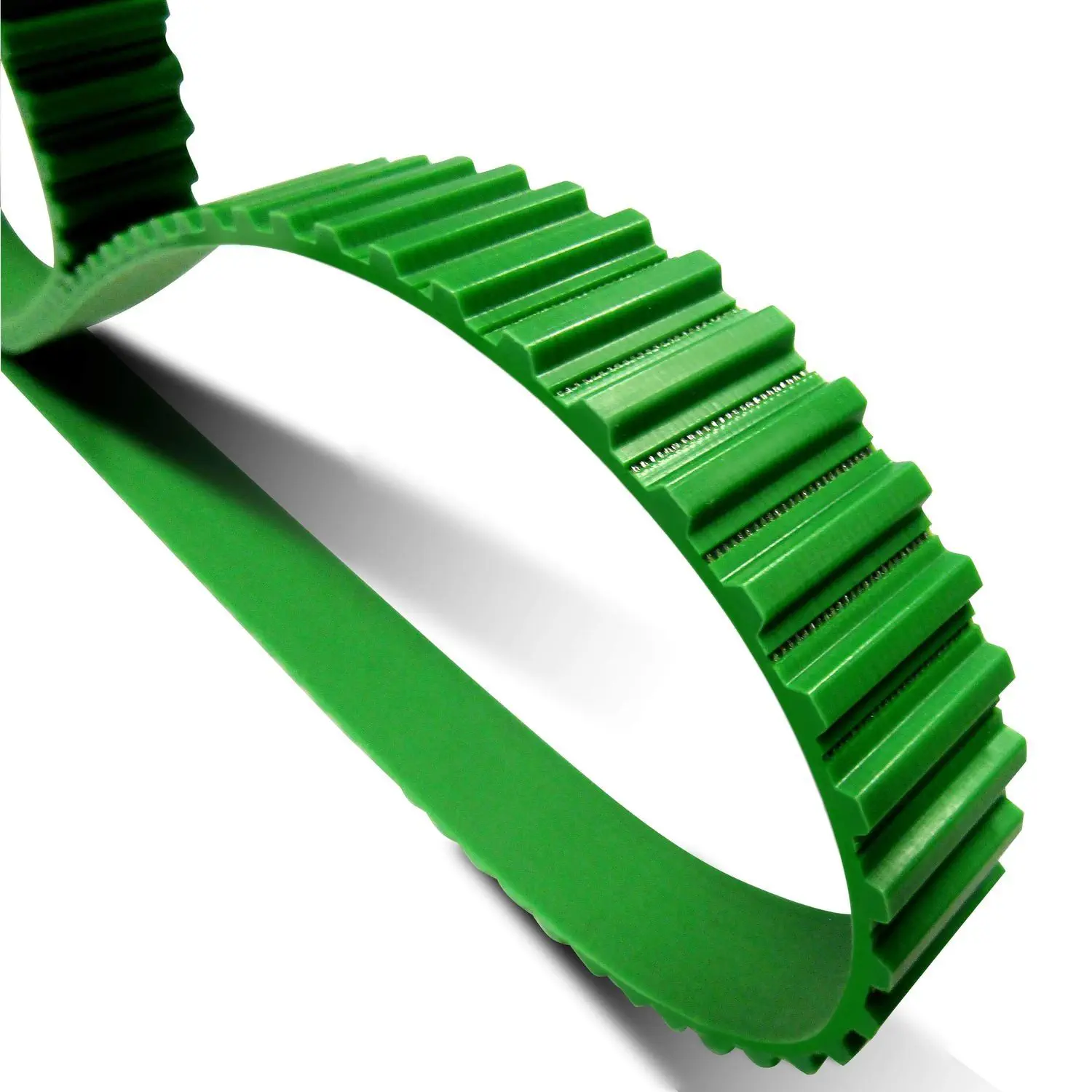
Plastic belts are typically made from materials such as polyethylene (PE), polypropylene (PP), polyvinyl chloride (PVC), polyurethane (PU), or acetal (POM). These materials provide properties such as high strength, chemical resistance, low friction, and flexibility. Plastic belts are manufactured through processes like extrusion, injection molding, or bonding, resulting in a wide variety of belt types, including flat belts, modular belts, timing belts, and conveyor chains.
Plastic belts find extensive use in the food and beverage industry. They are employed in applications such as food processing, packaging, sorting, and transportation. Plastic belts are preferred in these industries due to their hygienic properties, resistance to moisture and chemicals, and ease of cleaning. They are commonly used in conveying and sorting systems for products like fruits, vegetables, baked goods, meat, poultry, and beverages.
In the automotive industry, plastic belts are utilized for various purposes. They are employed in assembly lines for transporting automotive components during the manufacturing process. Plastic belts with specialized features, such as high temperature resistance or static dissipation properties, are used in applications like paint shops, heat treatment processes, or electrostatic discharge-sensitive areas. Plastic belts provide reliable and efficient material handling solutions in automotive production facilities.
Plastic belts play a crucial role in packaging and logistics operations. They are used in conveyor systems for handling packages, cartons, boxes, or containers in industries such as e-commerce, retail, distribution centers, and postal services. Plastic belts offer smooth and reliable transportation, enabling efficient sorting, merging, diverging, and accumulation of items. Their flexibility and customization options make them suitable for a wide range of packaging and logistics applications.
In the agriculture and horticulture industries, plastic belts are employed for tasks like seed sorting, crop harvesting, and greenhouse operations. Plastic belts with specialized features like perforations or airflow patterns are used to facilitate the handling and processing of seeds, fruits, vegetables, or flowers. They provide gentle and efficient transportation, reducing damage to delicate agricultural products and improving productivity in these sectors.
Plastic belts find applications in various other industries as well. They are used in industries such as pharmaceuticals, electronics, textile manufacturing, recycling, and airport baggage handling. Plastic belts offer advantages like chemical resistance, anti-static properties, and low noise levels, making them suitable for specific requirements in these industries.
In summary, plastic belts are conveyor belts made from plastic materials and are widely used in various industries. They offer durability, versatility, and ease of maintenance, making them suitable for applications in food and beverage processing, automotive manufacturing, packaging and logistics, agriculture and horticulture, and many other sectors. Plastic belts provide efficient material handling solutions, ensuring smooth transportation, sorting, and processing of products or materials in diverse industrial settings.


editor by CX 2024-01-16