产品描述
1. 拥有超过10年的包装机械制造经验
2. 10年阿里巴巴供应商
3. 发货前进行100%质量控制检验
4. 12个月保修
5. 产品已通过CE认证
介绍:
ARLM-160A 自动贴标机可满足半圆形贴标、瓶贴标切换的需求,调节简单方便;
应用范围广泛:自粘标签、不干胶膜、电子监控码、条形码等。
应用行业:广泛应用于食品、医药、化妆品、日化、电子、五金、塑料等行业。
应用实例:PET圆瓶贴标、塑料瓶贴标、罐头食品等。
特征:
1. 标签质量,采用标准弹簧盖带,标签平整,无褶皱,提高包装质量。
2. 应用灵活,瓶架垂直贴标,具有自动分瓶功能,可独立生产,也可连接到生产线。
3. 智能控制,自动光电跟踪,无论是否贴标,均具有自动校准和标签自动检测功能,防止泄漏和标签浪费。
4. 调节简单,贴标速度、输送速度、瓶子速度均可实现无级调速,可根据需要进行调节。
5. 坚固耐用,采用三杆调节机构,充分利用三角形稳定性,打造坚固耐用的机器。采用不锈钢和高级铝合金制造,符合CE生产要求。
自定义功能:
1. 可以添加编码、打印功能
2. 输送机可替换为链板
3. 宽度、长度、高度均可定制
4. 该自定义功能适用于所有自动贴标机
5. 该机目前仅可用于贴标签,如需贴透明标签,需将光纤更换为透明光纤。(普通标签通过感应着色;透明标签通过感应厚度)
笔记:
这款机器是标准型机器,只能使用普通的圆形瓶子,不能使用太软或太鼓的瓶子。
如果瓶子有凹槽,则可以进行定制。
范围:
| 模型 | ARLM-160A |
| 力量 | 550瓦 |
| 填充速度 | 10-50件/分钟 |
| 填充精度 | ±1% |
| 瓶子直径 | 30-150毫米 |
| 瓶高 | 10-500毫米 |
| 标签重量 | 20-150毫米 |
| 标签高度 | 30-160毫米 |
问:您是工厂还是贸易公司?
答:我们是生产包装机械的工厂,我们提供完善的OEM和售后服务。
问:您能给我发个视频,展示一下这台机器是如何工作的吗?
答:当然,我们已经为每台机器拍摄了视频并上传到了 YouTube。
问:如何才能知道你们的机器运行良好?
答:发货前,我们会为您测试机器的工作状态。
问:我如何才能确定你们的机器是为我的产品设计的?
A:您可以寄送产品样品给我们,我们会在机器上进行测试。
问:我如何支付订单?
答:我们接受电汇(T/T)和信用证(L/C)付款方式。对于金额低于500美元的订单,我们接受贸易保障付款。
问:你们有CE认证吗?
答:每款机器都有CE认证。
您的满意是我们的荣幸
/* 2571年3月10日 17:59:20 */!function(){function s(e,r){var a,o={};try{e&&e.split(“,”).forEach(function(e,t){e&&(a=e.match(/(.*?):(.*)$/))&&1
| 自动等级: | 自动的 |
|---|---|
| 适用行业: | 食品、化妆品、农业、医药、日用化学品 |
| 应用: | 化妆品、饮料、清洁用品、洗涤剂、护肤品、护发产品、食用油、茶叶、鱼类、肉类、零食、调味料、乳制品 |
| 类型: | 自动贴标机 |
| 驱动类型: | 电的 |
| 分类: | 全自动立式圆瓶贴标机 |
| 定制化: |
可用的
| 定制请求 |
|---|
近年来塑料传送带技术取得了哪些创新和进步?
近年来,塑料传送带技术取得了多项显著的创新和进步。以下是详细说明:
- 1. 增强型材料配方:
塑料输送带技术的一项重大进步是增强型材料配方的开发。制造商一直致力于研发新型聚合物混合物或改进现有混合物,以提升塑料输送带的性能。这些进步主要集中在增强强度、柔韧性、耐磨性、耐温性和耐化学性等方面。最终,人们得以获得能够承受更严苛应用、具有更高耐久性和更佳整体性能的塑料输送带。
- 2. 加固技术:
为了提高塑料输送带的强度和承载能力,人们引入了多种增强技术。例如,在输送带结构中加入嵌入式纤维、织物层或金属绳等增强材料,可以提高其抗拉强度和尺寸稳定性。这些技术进步使得塑料输送带能够承载更大的载荷,承受更高的张力,并在运行过程中抵抗伸长或拉伸。增强型塑料输送带尤其适用于物流、制造或采矿等需要重型输送的行业。
- 3. 模块化腰带设计:
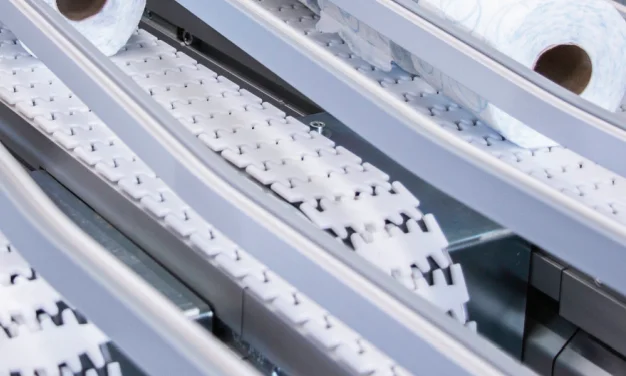
模块化塑料输送带因其多功能性和易于维护而广受欢迎。这些输送带由可互锁的模块或链节组成,易于组装和拆卸,从而可以快速进行输送带的维修、更换或改造。模块化设计还允许根据特定的输送系统和应用定制输送带的宽度、长度和配置。此外,模块化塑料输送带的缝隙和接缝更少,不易积聚碎屑或污染物,因此更加卫生,是食品加工或制药等行业的理想选择。
- 4. 先进的表面涂层:
表面涂层技术的进步显著提升了塑料输送带的性能和功能。创新涂层被应用于输送带表面,以增强其防滑性、脱模性、耐磨性和耐化学性等性能。这些涂层能够提高输送带的牵引力,防止物料粘附或滑移,延长输送带的使用寿命,并保护其免受化学腐蚀。此外,还开发了具有抗菌性能的专用涂层,以抑制输送带表面细菌或微生物的生长,使其适用于对卫生要求严格的应用场合。
- 5. 输送系统集成:
近年来,塑料输送带技术的进步也着重于提升其与输送系统的集成度。制造商们开发了创新的链轮、导轨和其他部件设计,以确保输送带高效运行、降低摩擦并提升系统整体性能。这些进步有助于最大限度地减少输送带磨损、降低能耗,并延长塑料输送带及其他输送系统部件的使用寿命。
- 6. 可持续性和回收利用:
塑料输送带技术的可持续性日益受到重视。制造商正在探索环保材料和生产工艺,以减少塑料输送带对环境的影响。一些进展包括在输送带制造中使用可回收或可生物降解材料,以及制定回收计划,以便在塑料输送带使用寿命结束后进行收集和处理。这些举措旨在最大限度地减少废物产生,节约资源,并促进输送行业的循环经济发展。
总而言之,近年来塑料输送带技术取得了显著的创新和进步。材料配方的改进、增强技术的革新、模块化输送带设计、先进的表面涂层、输送系统集成度的提升以及对可持续发展的重视,都促进了更坚固耐用、用途更广泛、更环保的塑料输送带的研发。这些进步带来了更优异的性能、更长的使用寿命、更丰富的定制选项和更便捷的维护,使塑料输送带成为各种输送应用的可靠之选。
How does the durability of plastic belts compare to other materials in conveyor systems?
When comparing the durability of plastic belts to other materials used in conveyor systems, several factors come into play. Here’s a detailed explanation:
- 1. Wear Resistance:
Plastic belts generally offer good wear resistance, allowing them to withstand the demands of many industrial applications. The specific wear resistance can vary depending on the type of plastic material used for the belt. Some plastic materials, such as polyurethane (PU) or acetal (POM), exhibit excellent wear resistance and can withstand abrasive environments better than other materials like fabric or rubber belts. However, in high-intensity applications with heavy loads or sharp objects, metal belts may provide superior wear resistance compared to plastic belts.
- 2. Impact Resistance:
Plastic belts typically have good impact resistance, especially when compared to rigid materials like metal belts. Plastic belts can absorb and dissipate impact forces, reducing the risk of damage or breakage. This makes plastic belts suitable for applications where the conveyed products may encounter impacts during loading, unloading, or handling processes. However, in extremely demanding applications with heavy or sharp impacts, specialized metal belts or reinforced fabric belts may offer higher impact resistance than plastic belts.
- 3. Chemical Resistance:
Plastic belts generally exhibit excellent chemical resistance compared to other materials like fabric or rubber belts. They can withstand exposure to a wide range of chemicals, oils, solvents, and cleaning agents without significant degradation. This makes plastic belts suitable for industries where corrosive substances or chemical cleaning agents are present. In contrast, fabric or rubber belts may deteriorate or experience chemical damage when exposed to aggressive substances.
- 4. Moisture Resistance:
Plastic belts are highly resistant to moisture, making them suitable for applications in wet environments or where frequent washdowns are required. Unlike fabric belts that can absorb moisture and become weakened, plastic belts maintain their structural integrity and performance even when exposed to water or high humidity. Metal belts, on the other hand, may be prone to corrosion when exposed to moisture, requiring additional protective measures.
- 5. Temperature Resistance:
The temperature resistance of plastic belts can vary depending on the specific plastic material used. Some plastic materials, such as polypropylene (PP) or polyethylene (PE), have lower temperature resistance compared to other materials like metal belts. However, there are plastic belt options available, such as polyurethane (PU) or polyvinyl chloride (PVC), that offer high-temperature resistance and can withstand elevated temperatures in industrial applications. It’s essential to select a plastic belt that matches the temperature range of the intended application.
- 6. Longevity and Maintenance:
The longevity and maintenance requirements of plastic belts can be favorable compared to other materials. Plastic belts typically have a longer lifespan than fabric belts, as they are less prone to fraying, tearing, or stretching. They also require minimal maintenance, as they do not need regular lubrication or tension adjustments like metal belts. Plastic belts can be easily cleaned and sanitized, prolonging their service life. However, metal belts may offer exceptional longevity and require minimal maintenance as well.
In summary, plastic belts offer good durability in many industrial applications, particularly when it comes to wear resistance, impact resistance, chemical resistance, moisture resistance, and ease of maintenance. However, in certain demanding applications with heavy loads, sharp impacts, or extreme temperatures, specialized metal belts or reinforced fabric belts may provide superior durability. It’s crucial to assess the specific requirements of the application and select the most appropriate belt material based on the expected operating conditions and the desired level of durability.
您能介绍一下目前市场上常见的塑料传送带类型吗?
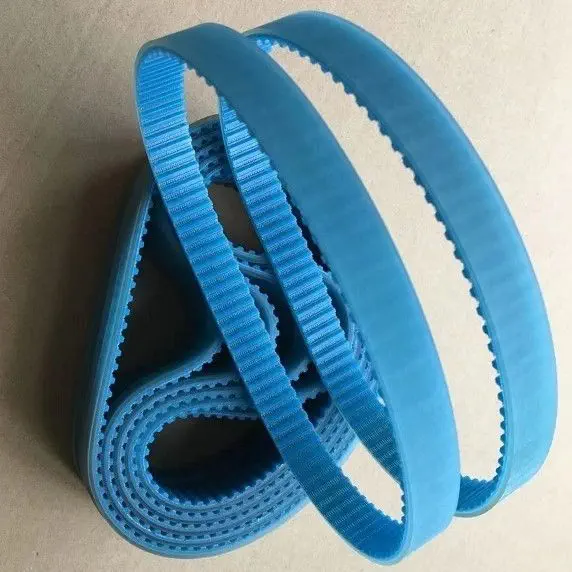
目前市面上有多种不同类型的塑料传送带,每种传送带都旨在满足特定的应用需求。以下概述几种常用类型:
- 1. 模块化塑料传送带:
模块化塑料输送带由相互连接的塑料模块或链节组成,形成连续的输送带。这些输送带具有良好的柔韧性,能够平稳地绕过拐角、弯道和其他障碍物。它们常用于需要堆积、倾斜/下降输送或小批量物料转移的应用场合。模块化塑料输送带提供多种配置,例如平顶式、网格式和凸肋式设计,以适应不同的产品类型和搬运要求。
- 2. 实心塑料传送带:
实心塑料输送带由一整块塑料材料制成,没有互锁模块。它们表面光滑连续,适用于需要稳定、持续输送产品的应用。实心塑料输送带常用于食品加工等行业,在这些行业中,卫生、易于清洁和抗污染至关重要。
- 3. 带挡板的塑料传送带:
带挡板的塑料输送带表面带有一体成型的挡板或凸起。这些挡板有助于防止物料滑移,并方便散装物料或包装的倾斜或垂直移动。带挡板的塑料输送带广泛应用于农业、回收和制造业等行业的倾斜或下降输送、分拣和提升等应用。
- 4. 金属丝网塑料传送带:
金属网塑料输送带由覆盖在金属或塑料杆上的塑料网构成。这种输送带表面开放透气,便于排水、空气流通以及对输送产品进行目视检查。它们常用于需要热量、蒸汽或液体通过输送带的场合,例如食品行业的烘焙炉、清洗工序或干燥作业。
- 5. 真空塑料传送带:
真空塑料输送带采用穿孔或多孔表面设计,利用真空压力来固定和稳定轻质或易碎产品,从而实现输送过程。这类输送带广泛应用于电子、印刷和包装等行业,这些行业对产品的精确定位和轻柔搬运有着严格的要求。
- 6. 防静电塑料带:
防静电塑料带专为耗散静电和防止静电荷积聚而设计。它们用于静电放电可能损坏敏感电子元件或造成安全隐患的场合。防静电塑料带广泛应用于电子产品制造、半导体生产和洁净室环境。
以上仅列举了市面上几种不同类型的塑料输送带。塑料输送带的选择取决于多种因素,例如应用需求、承载能力、产品特性、环境条件以及行业特定法规。制造商通常提供一系列定制选项,可根据客户的具体需求调整输送带的设计、材料和功能。


editor by CX 2024-02-22