Mô tả sản phẩm
1. Hơn 10 năm kinh nghiệm sản xuất máy đóng gói
2. Nhà cung cấp Alibaba 10 năm kinh nghiệm
3. Kiểm tra QC 100% trước khi giao hàng
4. Bảo hành 12 tháng
5. Sản phẩm đạt chứng nhận CE
Giới thiệu:
Máy dán nhãn tự động ARLM-160A có thể đáp ứng nhu cầu dán nhãn hình bán nguyệt, chuyển đổi giữa các chế độ dán nhãn chai một cách đơn giản và thuận tiện;
Phạm vi ứng dụng rộng rãi: nhãn tự dính, màng dính, mã giám sát điện tử, mã vạch, v.v.
Ứng dụng trong nhiều lĩnh vực: được sử dụng rộng rãi trong thực phẩm, dược phẩm, mỹ phẩm, hóa chất tiêu dùng, điện tử, phần cứng, nhựa và các ngành công nghiệp khác.
Ví dụ ứng dụng: Dán nhãn chai PET tròn, dán nhãn chai nhựa, thực phẩm đóng hộp, v.v.
Đặc trưng:
1. Chất lượng dán nhãn, sử dụng dây đai lò xo tiêu chuẩn, dán nhãn trơn tru, không nhăn, nâng cao chất lượng bao bì.
2. Ứng dụng linh hoạt, giá đỡ chai dán nhãn dọc, với chức năng tự động dán nhãn chai phụ, có thể sản xuất độc lập hoặc kết nối với dây chuyền sản xuất.
3. Điều khiển thông minh, theo dõi quang điện tự động, không cần nhãn, không cần tiêu chuẩn, tự động hiệu chuẩn và tự động phát hiện nhãn, ngăn ngừa rò rỉ và lãng phí nhãn.
4. Điều chỉnh đơn giản, tốc độ dán nhãn, tốc độ vận chuyển, tốc độ chai có thể được điều chỉnh vô cấp, tùy theo nhu cầu.
5. Bền bỉ, sử dụng cơ chế điều chỉnh 3 thanh, tận dụng tối đa độ ổn định hình tam giác, máy chắc chắn và bền bỉ. Được làm bằng thép không gỉ và hợp kim nhôm cao cấp, đáp ứng các yêu cầu sản xuất CE.
Chức năng tùy chỉnh:
1. Có thể thêm chức năng lập trình, in ấn.
2. Băng tải có thể được thay thế bằng tấm xích.
3. Chiều rộng, chiều dài, chiều cao có thể được tùy chỉnh.
4. Chức năng tùy chỉnh áp dụng cho tất cả các máy dán nhãn tự động.
5. Máy chỉ dùng để dán nhãn, có thể tùy chỉnh để dán nhãn trong suốt bằng cách thay sợi quang học sang sợi quang học trong suốt. (Nhãn thông thường dán bằng cảm ứng màu; Nhãn trong suốt dán bằng cảm ứng độ dày)
Ghi chú:
Máy này là máy tiêu chuẩn, chỉ có thể sử dụng với các chai tròn thông thường, không được quá mềm hoặc bị phồng.
Có thể tùy chỉnh nếu chai có rãnh.
Tham số:
| Người mẫu | ARLM-160A |
| Quyền lực | 550W |
| Tốc độ đổ đầy | 10-50 chiếc/phút |
| Độ chính xác khi đổ đầy | ±1% |
| Đường kính chai | 30-150mm |
| Chai cao | 10-500mm |
| Trọng lượng nhãn | 20-150mm |
| Chiều cao nhãn | 30-160mm |
Hỏi: Bạn là nhà máy hay công ty thương mại?
A: Chúng tôi là nhà máy sản xuất máy đóng gói và cung cấp dịch vụ OEM và hậu mãi hoàn hảo.
Hỏi: Bạn có thể gửi cho tôi video hướng dẫn cách máy hoạt động được không?
A: Chắc chắn rồi, chúng tôi đã quay video về từng loại máy móc và tải lên YouTube.
Hỏi: Làm sao tôi biết máy của bạn hoạt động tốt?
A: Trước khi giao hàng, chúng tôi sẽ kiểm tra tình trạng hoạt động của máy cho quý khách.
Hỏi: Làm sao tôi biết máy của quý công ty được thiết kế dành cho sản phẩm của tôi?
A: Bạn có thể gửi mẫu sản phẩm cho chúng tôi để chúng tôi kiểm tra trên máy.
Hỏi: Tôi có thể thanh toán đơn hàng bằng cách nào?
A: Chúng tôi chấp nhận phương thức thanh toán T/T và L/C. Đối với các đơn hàng dưới 500 USD, chúng tôi chấp nhận thanh toán qua Trade Assurance.
Hỏi: Bạn có chứng chỉ CE không?
A: Mỗi dòng máy đều có chứng nhận CE.
Sự hài lòng của quý khách là niềm vinh dự của chúng tôi.
| Điểm tự động: | Tự động |
|---|---|
| Ngành áp dụng: | Thực phẩm, Mỹ phẩm, Nông nghiệp, Dược phẩm, Hóa chất hàng ngày |
| Ứng dụng: | Mỹ phẩm, Đồ uống, Chất tẩy rửa, Bột giặt, Sản phẩm chăm sóc da, Sản phẩm chăm sóc tóc, Dầu ăn, Trà, Cá, Thịt, Đồ ăn nhẹ, Gia vị, Sản phẩm từ sữa |
| Kiểu: | Máy dán nhãn tự động |
| Loại điều khiển: | Điện |
| Phân loại: | Máy dán nhãn chai tròn thẳng đứng tự động |
| Tùy chỉnh: |
Có sẵn
| Yêu cầu tùy chỉnh |
|---|
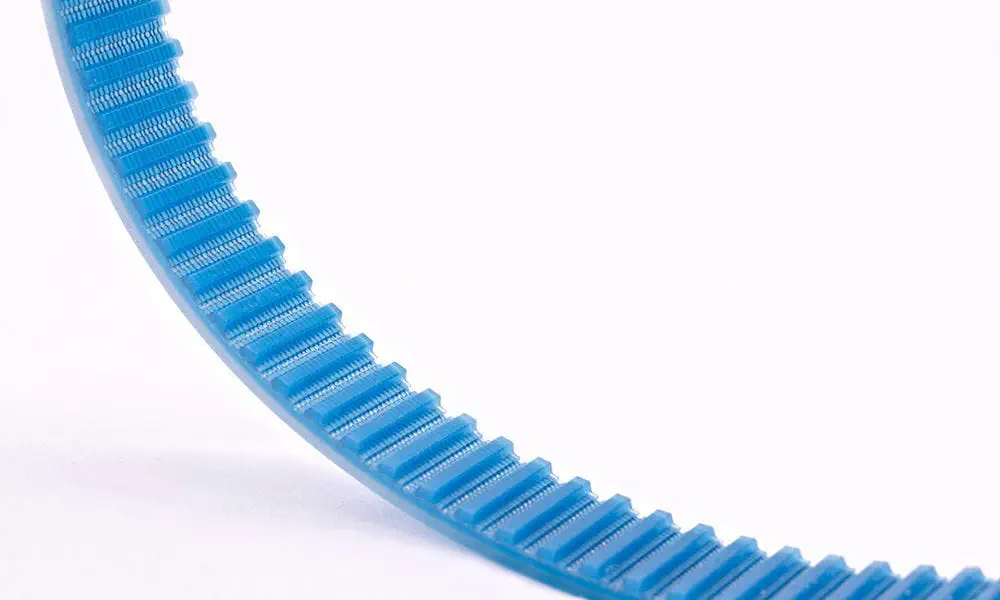
What are the challenges associated with using plastic belts, and how can they be mitigated?
Using plastic belts in various applications comes with its own set of challenges. However, these challenges can be mitigated through various measures. Here’s a detailed explanation:
- 1. Temperature Limitations:
One of the challenges associated with plastic belts is their temperature limitations. Some plastic materials may have lower heat resistance compared to other belt materials like steel or rubber. In high-temperature environments, plastic belts may experience softening, deformation, or even melting, leading to a decrease in their performance and lifespan. To mitigate this challenge, it is important to select plastic belts with materials specifically designed to withstand the temperature range of the application. Additionally, incorporating cooling systems, such as ventilation or water cooling, can help maintain the belt’s temperature within acceptable limits.
- 2. Load Capacity:
Another challenge is the load capacity of plastic belts, particularly in heavy-duty applications. While plastic belts have been engineered to handle significant loads, there may be limitations compared to materials like steel or fabric-reinforced rubber belts. To mitigate this challenge, it is essential to carefully analyze the weight and characteristics of the conveyed materials and select plastic belts with appropriate load-carrying capacity. Reinforcement technologies, such as embedded fibers or metal cords, can be used to enhance the strength and load capacity of plastic belts for heavier applications.
- 3. Abrasion and Wear:
Plastic belts may face challenges related to abrasion and wear, especially in applications where materials with sharp edges or abrasive properties are being conveyed. Continuous contact with abrasive materials can cause premature wear and reduce the belt’s lifespan. To mitigate this challenge, plastic belts with enhanced wear resistance properties, such as specialized surface coatings or harder material formulations, can be used. Regular inspection and maintenance of the belts, including cleaning and proper tensioning, can also help identify and address any signs of wear before they become significant issues.
- 4. Chemical Compatibility:
In applications where plastic belts come into contact with chemicals or substances, compatibility with those chemicals can be a challenge. Certain chemicals may cause degradation or weakening of the belt material, leading to reduced performance or even failure. To mitigate this challenge, it is crucial to select plastic belts with materials that are chemically resistant to the specific substances encountered in the application. Conducting chemical compatibility tests and consulting with belt manufacturers can help ensure that the selected plastic belts can withstand the chemical environment they will be exposed to.
- 5. Belt Tracking and Alignment:
Plastic belts may face challenges related to tracking and alignment on the conveyor system. Misalignment can lead to increased friction, uneven wear, and potential damage to the belt and other conveyor components. To mitigate this challenge, proper belt tracking systems should be implemented, including precision tracking rollers, training idlers, or automated belt tracking mechanisms. Regular maintenance and inspection of the conveyor system can help identify and correct any issues with belt tracking and alignment before they cause significant problems.
- 6. Static Electricity:
Plastic belts can generate static electricity due to friction between the belt and the conveyed materials or the conveyor system. This static electricity can cause issues such as dust attraction, product sticking, or even electrical discharge hazards. To mitigate this challenge, anti-static additives or coatings can be incorporated into the belt material to dissipate static charges. Proper grounding of the conveyor system and the use of static eliminators, such as ionizers or grounding brushes, can also help minimize static electricity-related problems.
In summary, while there are challenges associated with using plastic belts, they can be effectively mitigated through appropriate measures. By carefully selecting belts with suitable temperature resistance, load capacity, and wear resistance, and implementing measures to address issues related to chemical compatibility, belt tracking, and static electricity, the challenges can be managed. Regular maintenance, inspection, and adherence to manufacturer guidelines are essential for ensuring the optimal performance and longevity of plastic belts in various applications.
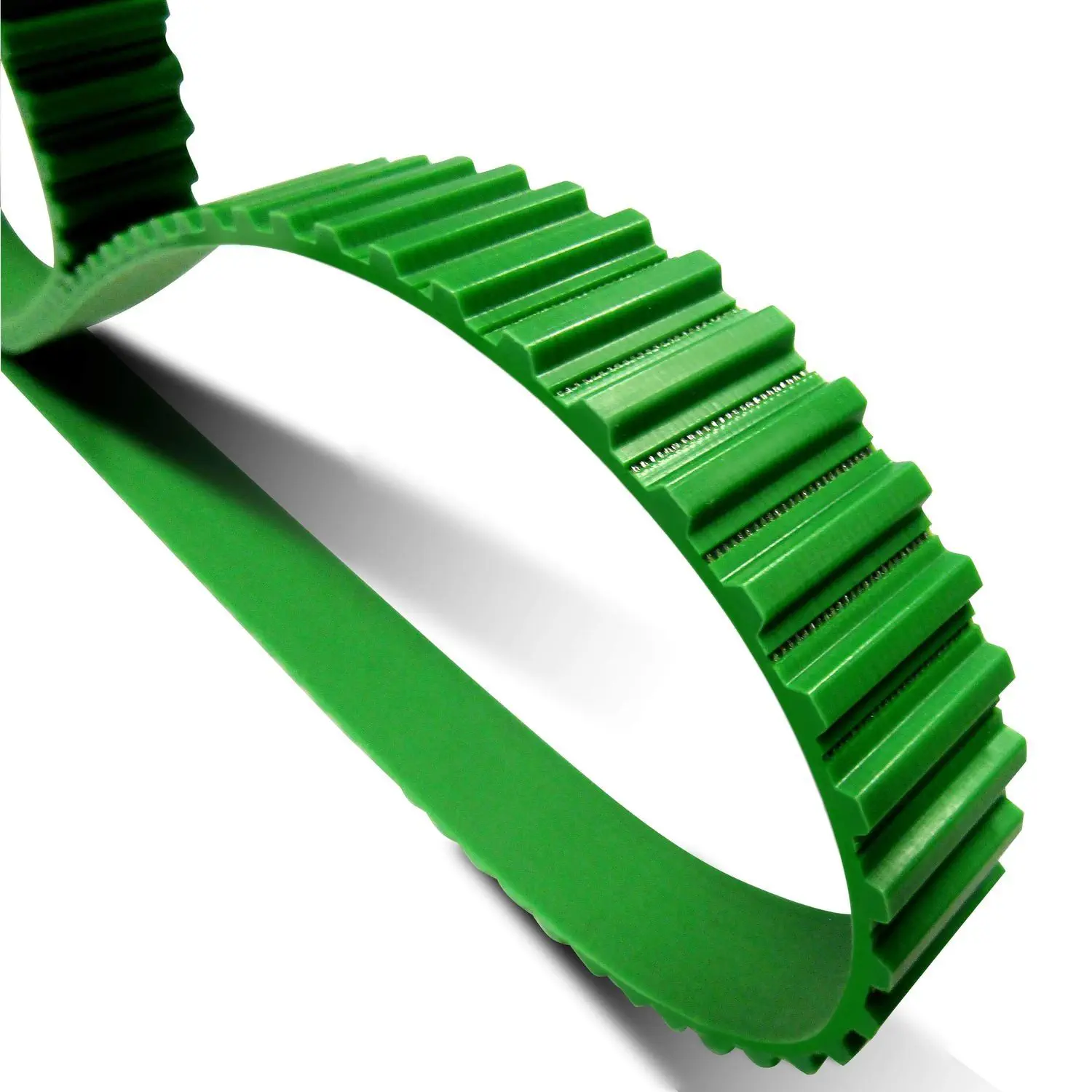
Are there specific maintenance considerations for plastic belts in comparison to other conveyor belt materials?
Yes, there are specific maintenance considerations for plastic belts that differ from other conveyor belt materials. Here’s a detailed explanation:
- 1. Cleaning and Sanitization:
Plastic belts generally have smoother and non-porous surfaces compared to other conveyor belt materials such as fabric or rubber. This characteristic makes plastic belts easier to clean and sanitize. They can be cleaned using standard cleaning agents, high-pressure washdowns, or even steam cleaning. Regular cleaning is essential to remove food residues, dirt, or contaminants and maintain the hygiene and cleanliness of plastic belts in applications such as food processing. However, it’s important to follow the manufacturer’s guidelines for cleaning methods and avoid using harsh chemicals that may damage the plastic material.
- 2. Belt Tracking:
Proper belt tracking is important for the smooth and efficient operation of conveyor systems. Plastic belts may require more frequent monitoring and adjustment for proper tracking compared to other materials. Factors such as changes in tension, load distribution, or environmental conditions can affect belt tracking. Regular visual inspection and adjustment of tracking mechanisms, such as tensioners or tracking guides, are necessary to ensure the plastic belts stay aligned and centered on the conveyor system.
- 3. Wear and Tear:
Plastic belts can experience wear and tear over time due to factors such as friction, load impacts, or abrasive materials. Regular inspection of the belt surface for signs of wear, including cracks, tears, or fraying, is important to identify potential issues early. Some plastic belts may have wear indicators that help determine when the belt needs to be replaced. It’s essential to follow the manufacturer’s recommendations for belt replacement intervals and consider using reinforced or heavy-duty plastic belts in applications where increased durability is required.
- 4. Temperature Considerations:
Plastic belts have specific temperature limitations compared to other conveyor belt materials. Extreme temperatures can affect the performance and longevity of plastic belts. High temperatures can cause plastic belts to soften or deform, while low temperatures can make them brittle and prone to cracking. It’s important to choose plastic belts that are suitable for the temperature range of the application. In outdoor environments or applications with temperature fluctuations, using plastic belts with appropriate temperature resistance or considering additional insulation measures may be necessary.
- 5. Chemical Exposure:
Plastic belts may have different chemical resistance properties compared to other conveyor belt materials. Exposure to certain chemicals or corrosive substances can degrade the plastic material and compromise the belt’s performance. It’s crucial to select plastic belts that are compatible with the specific chemicals present in the application and consider using chemical-resistant coatings or additives if needed. Regular inspection for signs of chemical damage and prompt replacement of damaged belts are essential to maintain the integrity and functionality of plastic belts.
In summary, plastic belts have specific maintenance considerations compared to other conveyor belt materials. Cleaning and sanitization procedures, belt tracking, monitoring wear and tear, temperature considerations, and chemical exposure are important aspects to address when maintaining plastic belts. Following manufacturer’s guidelines, conducting regular inspections, and implementing appropriate maintenance practices can help ensure the longevity and optimal performance of plastic belts in conveyor systems.
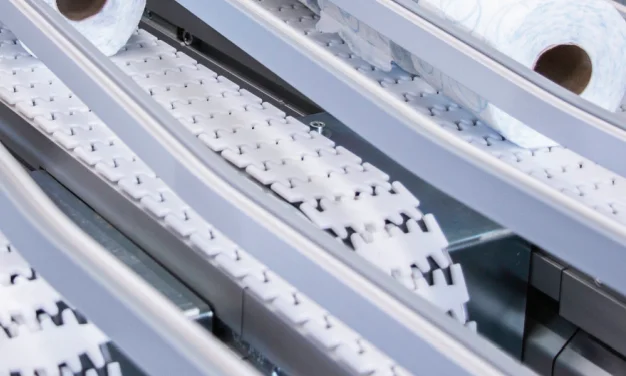
How do plastic belts contribute to the efficiency and functionality of conveyor systems?
Plastic belts play a crucial role in enhancing the efficiency and functionality of conveyor systems. Here’s a detailed explanation:
- 1. Lightweight and High Strength:
Plastic belts are typically lightweight yet offer high strength and load-carrying capacity. Their lightweight nature reduces the overall weight of the conveyor system, resulting in lower energy consumption and reduced strain on the system’s components. Despite their lightness, plastic belts can handle heavy loads, making them suitable for a wide range of applications while maintaining efficiency and functionality.
- 2. Flexibility and Adaptability:
Plastic belts are highly flexible and adaptable, allowing them to conform to the shape of the conveyor system. This flexibility enables the belts to navigate around pulleys, curves, and other obstacles smoothly. It also facilitates easy installation and adjustment of the conveyor system, making it more versatile and accommodating to different layout configurations. The adaptability of plastic belts contributes to efficient material handling and optimized system functionality.
- 3. Low Friction and Energy Efficiency:
Plastic belts have low friction characteristics, which significantly reduce energy consumption in conveyor systems. The low coefficient of friction between the belt and the conveyor components minimizes resistance and allows for smooth movement of materials. This low friction property not only enhances the efficiency of the system but also reduces wear and tear on the belt and other system components, leading to extended service life and reduced maintenance requirements.
- 4. Chemical Resistance and Hygiene:
Plastic belts are often resistant to chemicals, oils, and other substances, making them suitable for conveying materials in various industries, including food processing, pharmaceuticals, and manufacturing. Their chemical resistance ensures that the belts can withstand exposure to corrosive or potentially harmful substances without degradation or contamination. Additionally, plastic belts can be easily cleaned and sanitized, promoting hygiene and meeting strict industry standards in applications where cleanliness is essential.
- 5. Noise Reduction:
Compared to traditional conveyor belts made of materials like metal or rubber, plastic belts offer noise reduction benefits. Plastic belts produce less noise during operation due to their inherent damping properties. This noise reduction is especially advantageous in environments where noise levels need to be minimized, such as in retail settings or sensitive manufacturing processes, contributing to a quieter and more comfortable work environment.
- 6. Durability and Longevity:
Plastic belts are known for their durability and longevity. They are resistant to wear, abrasion, and impact, ensuring reliable and long-lasting performance in demanding conveyor applications. Plastic belts are less susceptible to damage from moisture, temperature variations, and other environmental factors, which can compromise the functionality of other belt materials. Their durability and longevity contribute to increased uptime, reduced downtime, and overall cost savings in conveyor system operation.
In summary, plastic belts offer several advantages that contribute to the efficiency and functionality of conveyor systems. Their lightweight yet high-strength construction, flexibility and adaptability, low friction characteristics, chemical resistance, noise reduction properties, and durability make them valuable components in a wide range of industries. By utilizing plastic belts, conveyor systems can achieve improved material handling efficiency, reduced energy consumption, enhanced hygiene, minimized maintenance requirements, and extended service life.


editor by CX 2023-12-12