پہلے جواب دیں۔
- متبادل کا انتخاب کرنے سے پہلے پیمائش کے قابل انٹرفیس کی تصدیق کریں۔
- قطعی مواد اور جیومیٹری کے ساتھ سیریز کے لیے مخصوص شائع شدہ سیریز کی حدود رکھیں۔
- کسی بھی نامعلوم قیمت کا تخمینہ لگانے کے بجائے اسے RFQ تصدیقی آئٹم کے طور پر ریکارڈ کریں۔
The safest approach to low-temperature process layout, material and return-path checks is to treat belt, chain, sprockets, support, guides, transfers and environment as one system. Start with measured geometry and duty conditions, eliminate incompatible configurations, and only then finalize material and accessories.
1. مصنوعات اور عمل کی وضاحت کریں۔
ریکارڈ پروڈکٹ کے طول و عرض، وزن، بنیاد کی شکل، درجہ حرارت، استحکام اور آیا جمع ہونے کی توقع ہے۔ عمل کی ضرورت شامل کریں: دھونے، نکاسی، کولنگ، حرارتی، معائنہ، بفرنگ، ضم یا نقل و حمل۔
آپریٹنگ ماحول اہمیت رکھتا ہے کیونکہ تھرمو پلاسٹک مواد درجہ حرارت، نمی، کیمیکلز، کھرچنے، اور مسلسل سلائیڈنگ رابطے کے لیے مختلف جواب دیتے ہیں۔ شائع شدہ سیریز کی اقدار کو ان کے بیان کردہ مادی کوڈز اور درجہ حرارت کی حدود کے ساتھ استعمال کیا جانا چاہیے۔ مواد کو صرف اس لیے تبدیل نہیں کیا جانا چاہیے کہ اس کا رنگ ایک جیسا ہے۔ رنگ مواد کی شناخت کا کافی طریقہ نہیں ہے۔
2. کنویئر جیومیٹری کی وضاحت کریں۔
سیدھے چلنے والے اور رداس نظام مختلف ہندسی تقاضوں کو مسلط کرتے ہیں۔ سیدھے چلنے والے ماڈیول سفری سمت میں سپروکیٹس کے ارد گرد بیان کرتے ہیں، جبکہ ایک رداس یا سائیڈ فلیکسنگ ڈیزائن کو بھی ایک کنٹرول شدہ وکر کے ذریعے پس منظر کے اظہار کو ایڈجسٹ کرنا چاہیے۔ ایک سیدھی پٹی کو کبھی بھی وکر کے ذریعے مجبور نہیں کیا جانا چاہئے کیونکہ اس کی چوڑائی فریم کے ساتھ فٹ بیٹھتی ہے۔
سیدھی لمبائی، مائل زاویہ، منحنی زاویہ، اندرونی رداس، کنویئر کی چوڑائی، شافٹ سینٹر لائن، منتقلی کی بلندیوں اور واپسی کے راستے کی پیمائش کریں۔
3. موجودہ بیلٹ یا چین کی پیمائش کریں۔
متبادل کام کے لیے، سب سے مفید ابتدائی معلومات موجودہ بیلٹ یا چین کی شناخت، پچ، اسمبلڈ چوڑائی، قبضے یا چھڑی کا انتظام، کنارے کی پروفائل، اسپراکیٹ ٹوتھ کی گنتی، اسپراکیٹ بور، شافٹ کا سائز، اور ڈرائیو اور واپسی کے سروں کی واضح تصاویر ہیں۔ جب میراثی نشانات پڑھے جانے کے قابل نہیں ہوتے ہیں، تو ایک جہتی خاکہ اور کئی کھڑی تصویریں ایک نقطہ نظر کی تصویر سے زیادہ قابل اعتماد ہوتی ہیں۔
4. مثبت ڈرائیو سے میچ کریں۔
Sprockets مثبت ڈرائیو رشتہ فراہم کرتے ہیں. دانتوں کی گنتی، پچ کا قطر، بور، حب یا تقسیم کی تعمیر، شافٹ کینگ، اور محوری مقام کا ایک ساتھ جائزہ لیا جانا چاہیے۔ ناقص الائنمنٹ بوجھ کو بیلٹ کی چوڑائی کے صرف ایک حصے پر مرکوز کر سکتا ہے، جبکہ فکسنگ کا نامناسب انتظام تھرمل موومنٹ میں مداخلت کر سکتا ہے۔
5. سپورٹ، گائیڈز اور ٹرانسفرز کا جائزہ لیں۔
ٹرانسفرز انجینئرنگ کی اتنی ہی توجہ کے مستحق ہیں جتنی طویل کنویئر اسپین۔ چھوٹی یا غیر مستحکم مصنوعات کو کنگھی پلیٹ، رولر برج، ناک کی ترتیب، یا کنٹرول شدہ ڈیڈ پلیٹ جیومیٹری کی ضرورت ہو سکتی ہے۔ مقصد محض نظر آنے والا ایک چھوٹا سا خلا نہیں ہے۔ انٹرفیس کو پروڈکٹ کو سپورٹ کرنا چاہیے اور حرکت پذیر ماڈیولز اور اسٹیشنری حصوں کے درمیان مداخلت سے گریز کرنا چاہیے۔
| انٹرفیس | انجینئرنگ چیک |
|---|---|
| کیری وے سپورٹ | سپورٹ کی سطح ماڈیول جیومیٹری اور لوڈ کے مطابق ہونی چاہیے۔ |
| واپسی کا راستہ | بے قابو ساگ یا مداخلت کو روکیں۔ |
| گائیڈز | بیلٹ/چین کو اس کے مطلوبہ راستے سے باہر مجبور کیے بغیر پروڈکٹ کو کنٹرول کریں۔ |
| منتقلی | کنگھی، رولر برج یا ڈیڈ پلیٹ کلیئرنس چیک کریں۔ |
| ڈرائیو | صاف دانتوں کی مشغولیت اور سیدھ کی تصدیق کریں۔ |
6. کمیشن اور برقرار رکھنا
دیکھ بھال سب سے زیادہ مؤثر ہے جب یہ معائنہ کی قیادت میں ہے. آپریٹرز کو قبضے والے علاقوں، سلاخوں، گائیڈ کے رابطے، سپروکیٹ کی مصروفیت، غیر معمولی شور، مقامی لباس، مصنوعات کی تعمیر، اور واپسی کے راستے میں کسی بھی تبدیلی کی نگرانی کرنی چاہیے۔ سیدھ یا آلودگی کو درست کیے بغیر ایک پہنے ہوئے جزو کو تبدیل کرنے سے مسئلہ صرف دوسری جگہ منتقل ہو سکتا ہے۔
آخری انسٹال کردہ سیریز، اسپراکیٹ ڈیٹا، شافٹ کی ترتیب، کلیدی جہتیں اور کسی خاص مواد یا صفائی کی ضرورت کو ریکارڈ کریں۔
RFQ چیک لسٹ
OEM اور retrofit منصوبوں کے لیے، ایک اچھا RFQ تصدیق شدہ ڈیٹا کو کھلے سوالات سے الگ کرتا ہے۔ تصدیق شدہ طول و عرض کو اکائیوں اور پیمائش کے طریقے کے ساتھ درج کیا جانا چاہیے۔ نامعلوم مواد، بوجھ، رفتار، یا کیمیائی نمائش کو تخمینہ کے بجائے تصدیق کے لیے نشان زد کیا جانا چاہیے۔
اکثر پوچھے گئے سوالات
مجھے پہلے کس جہت کی پیمائش کرنی چاہئے؟
پچ اور جمع چوڑائی کے ساتھ شروع کریں، پھر قبضہ/راڈ لائن، بیلٹ ایج اور سپروکیٹ/شافٹ انٹرفیس کو دستاویز کریں۔
کیا تصویر سے ڈرائنگ کی پیمائش کی جا سکتی ہے؟
قابل اعتماد نہیں جب تک کہ ایک ہی جہاز میں پیمانہ موجود نہ ہو۔ جب بھی ممکن ہو براہ راست پیمائش کا استعمال کریں۔
کیا ہوگا اگر اس حصے میں پڑھنے کے قابل نشان نہ ہو؟
متعدد تصاویر، پچ، چوڑائی، زیریں ڈرائیو جیومیٹری، سپروکیٹ ٹوتھ کی گنتی اور بور، اور اگر ممکن ہو تو ایک نمونہ بھیجیں۔
کیا پرانی بیلٹ جلدی پہننے پر مواد کو تبدیل کیا جانا چاہئے؟
پہلے پہننے کے طریقہ کار کی شناخت کریں۔ سیدھ، مدد، آلودگی اور درجہ حرارت مواد سے زیادہ اہم ہو سکتا ہے۔
میں دو امیدواروں کا موازنہ کیسے کروں؟
جیومیٹری، سطح کے فنکشن، بوجھ، درجہ حرارت، چوڑائی کی تعمیر، رداس/بیک فلیکس کی حدود اور سپروکیٹ/جزو کی ضروریات کا موازنہ کریں۔
Decision framework
Freezing Tunnel Conveyor Belt and Chain Selection: what the engineering review must decide
Begin with the machine, not the catalogue page. For this topic, the central issue is material and process-environment compatibility. The useful question is whether the proposed component fits the actual conveyor interfaces and duty. The project record should connect the visible condition, the measured interface and the operating duty so that a proposed series can be checked against the same evidence later.
Start by identifying which parts of the system are fixed by the machine and which are still open to selection. A shaft, guide path, transfer location or process envelope may be fixed, while material, surface, exact series or component configuration can remain open. Making that distinction early prevents the engineering discussion from treating every catalogue option as interchangeable.
| Decision variable | What to document |
|---|---|
| exact material code for the series | Record the project value or condition and note how it was confirmed before release. |
| operating temperature | Record the project value or condition and note how it was confirmed before release. |
| wet/dry and washdown duty | Record the project value or condition and note how it was confirmed before release. |
| chemical or cleaning exposure | Record the project value or condition and note how it was confirmed before release. |
| product contact and drainage/airflow requirement | Record the project value or condition and note how it was confirmed before release. |
Field method
Measure the interfaces that control this decision
For material and process-environment compatibility, the most useful field record covers actual line temperature, cleaning chemistry, exposure time, wet/dry cycle, product contact surface and any open-area requirement. Measurements should be taken on a clean, supported component whenever possible. If wear is present, record the worn condition and avoid treating it as the original nominal geometry.
Use direct dimensions with units and take more than one reading when wear, articulation or assembly tolerances can affect the result. A photograph should show the measuring tool in the same plane as the feature being checked; a second perpendicular photograph provides context that a single perspective image cannot. When a dimension cannot be obtained reliably, mark it as open rather than estimating it.
The machine layout matters as much as the loose part. Record the drive end, return end, guide arrangement, transfer zone and any location where the belt changes direction or experiences unusual product pressure. That context explains why two parts with similar overall dimensions may behave differently in service.

Troubleshooting
Interpret the symptom before changing the component
Wear is evidence of a contact or operating condition. Use the pattern to decide what to inspect next rather than replacing the most visible worn part automatically.
Tie the observation to the actual environment: temperature, wet or dry service, cleaning chemistry, exposure time and contamination. Keep material conclusions with the exact series and operating state rather than generalizing from color or appearance. In this guide, record the observation under “material selection by color rather than code” so the corrective action remains tied to the specific symptom.
Tie the observation to the actual environment: temperature, wet or dry service, cleaning chemistry, exposure time and contamination. Keep material conclusions with the exact series and operating state rather than generalizing from color or appearance. In this guide, record the observation under “using a temperature value from another material row” so the corrective action remains tied to the specific symptom.
Review “retaining contamination in inaccessible interfaces” against the measured conveyor interface and the operating state described in this guide. Compare drive, support, guide, return and transfer conditions, then record the specific evidence that supports the corrective action before changing the released configuration.
Record the interface dimension with units and the exact measurement point. Separate direct measurements from nominal values, and keep any unknown width increment, edge construction or mounting detail open until it can be confirmed.
A single symptom rarely proves the root cause. Compare left and right sides, drive and return zones, loaded and unloaded operation, and the condition of mating parts. If a problem appears only after product accumulation, washdown, temperature change or a line-speed change, include that operating state in the investigation. This is especially important when the existing system ran acceptably before a process change.
Machine integration
Review the complete conveyor around the selected item
Use a simple sequence: confirm the product path, identify the belt or chain motion type, verify the positive-drive or mounting interface, review carry-way and return support, then check guides and transfers. The order matters because a change made to solve one zone can create a new interference or wear point elsewhere.
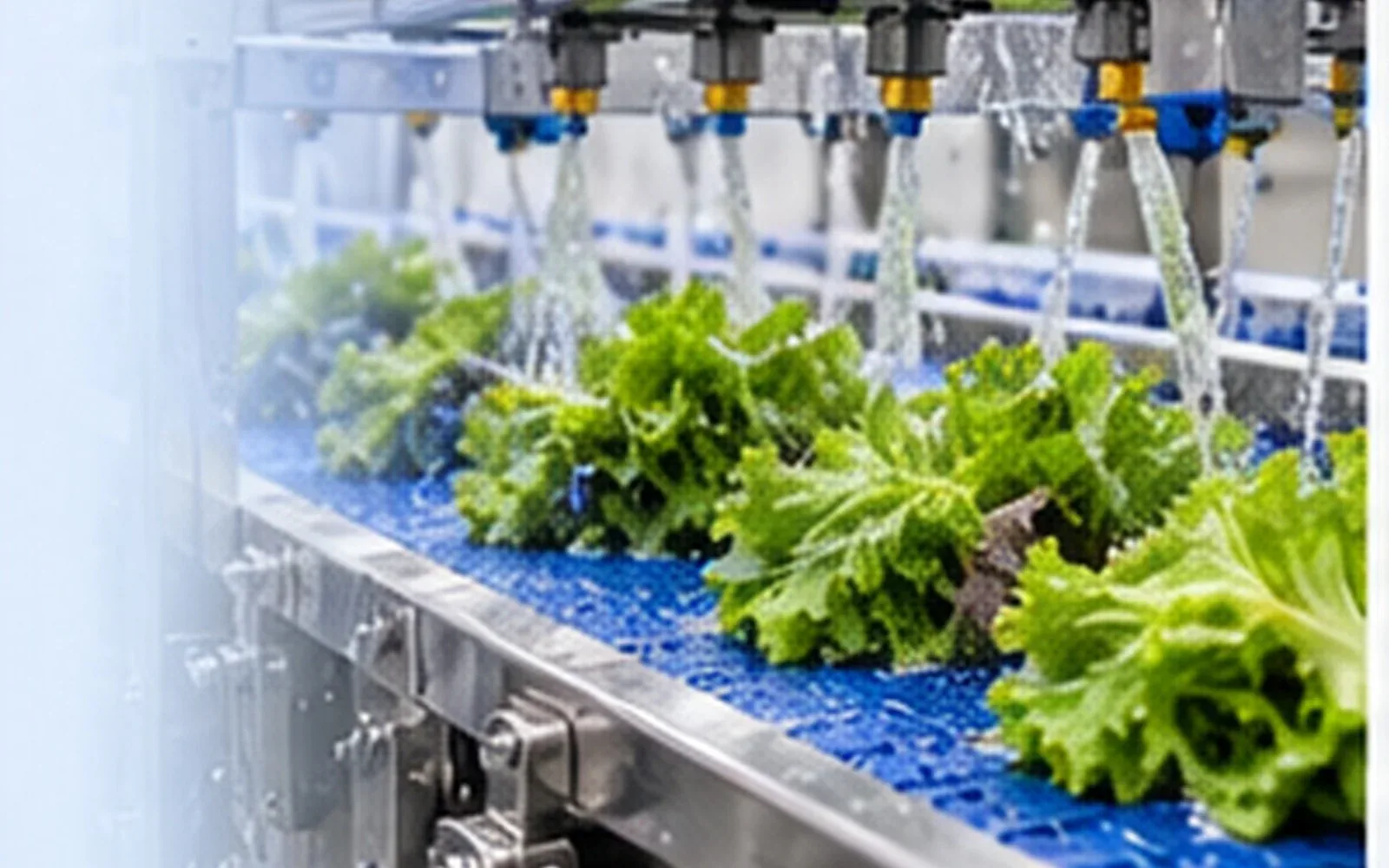
For this article, a representative review scenario is a food-processing line where washdown, drainage, product stability and conveyor access must be considered together before a material or surface is released. The technical review should therefore include the most demanding zone, not only the longest straight span. Where the product changes direction, accumulates, enters a transfer or experiences washdown, note the local geometry and the component that carries or constrains the load.
Keep safety guarding, access and the machine maker’s procedures outside the component-selection assumptions. The conveyor component data can support fit and operating review, but machine-level safety and commissioning remain part of the equipment design and site procedure.
Worked review
How to compare alternatives without inventing missing data
Assume the current line has a known product path and an existing component that may need replacement. First, write down the values that are physically measured or clearly identified. Next, list the parameters that come from the exact candidate series. Keep those two groups separate. A published material or operating value belongs to the candidate series; a shaft diameter, guide spacing or installed width belongs to the machine.
Then compare the fixed interfaces with each candidate. Reject an option when a required geometry is incompatible rather than trying to compensate with guide pressure, forced articulation or an improvised sprocket. If several options remain, compare the functional differences that matter to the process: contact surface, open area, rolling or gripping function, curve capability, transfer behavior, cleaning access or component serviceability. The choice should be traceable to the process requirement rather than to color or appearance.
Finally, identify what would still have to be confirmed before order release. The open item might be a material requirement, a drawing dimension, a bore/keyway detail, an exact installed width or an operating exposure. State who will confirm it and by what evidence. This makes the quotation useful even before every question is closed and avoids hiding uncertainty inside an assumed specification.
Procurement handoff
Build a purchase description that can be checked later
The handoff should preserve the relationship between the selected component and the machine. For this topic, keep series, material code, temperature range required by the process, cleaning conditions, product contact requirement and any special compliance request that must be confirmed together in the RFQ or purchase record. Attach the layout or photographs used for the decision and identify any accepted alternative rather than relying on an informal description such as “same as existing.”
| Record | Purpose |
|---|---|
| Component identity | Series/model or the measured identification basis when the marking is unavailable. |
| Machine interface | Dimensions, shaft/mounting, guides, support, transfer and surrounding fixed geometry relevant to the topic. |
| Operating duty | Product/load, speed context, temperature, wet/dry condition, cleaning or other process exposure that affects selection. |
| پوائنٹس کھولیں۔ | Items that still require a drawing, sample, second measurement or engineering confirmation. |
| Revision record | The final accepted drawing, series/configuration and any change from the previous installation. |
This record is also valuable for maintenance. If the conveyor is modified later, the team can see which assumptions belonged to the original selection and decide whether the changed product, speed, guide path, cleaning process or transfer geometry requires a fresh review.
Commissioning
Check the first run against the engineering assumptions
When the machine procedure permits, begin with an unloaded or lightly loaded check. Observe the drive or mounting interface, guide contact, carry-way support, return path and clearances to stationary parts. Then introduce representative product and watch the zone that drove the selection decision. The objective is to verify that the installed behavior matches the assumptions documented during selection.
Listen for new cyclic noise and inspect for localized rubbing, lifting, rod movement, edge contact, product marking or debris concentration. A small early change can be easier to correct before it becomes a wear pattern. Record the first inspection condition so later maintenance has a baseline rather than relying on memory.
If the result differs from the expected behavior, return to the measured interface and operating condition before changing material or series again. A component change cannot correct a misaligned shaft, an interfering guide or a transfer that physically constrains the belt outside its intended articulation.
Release checklist
Questions to close before ordering
- Is the exact motion type or component function identified?
- Are the controlling machine dimensions recorded with units?
- Are mating sprockets, shafts, guides, supports or transfer parts documented?
- Are product, load and operating conditions representative of actual duty?
- Are material or special-process requirements tied to the exact series rather than inferred?
- Are worn or modified surrounding parts identified separately from the proposed replacement?
- Are all unknown values explicitly listed for confirmation?
- Does the RFQ include quantity plus clear drawings, photographs or a sample when available?
Closing these questions produces a stronger engineering request and reduces the chance that a quotation is based on visual similarity alone. If a value remains unknown, leave it open and state the evidence needed to close it; do not invent a number to make the request appear complete.