Ответьте сначала
- Перед выбором замены убедитесь в измеримых параметрах интерфейса.
- Соблюдайте установленные для данной серии ограничения, касающиеся конкретного материала и геометрии.
- Любое неизвестное значение следует указывать в качестве подтверждения запроса на коммерческое предложение, а не оценивать приблизительно.
The safest approach to pitch as part of articulation, sprocket and transfer geometry is to treat belt, chain, sprockets, support, guides, transfers and environment as one system. Start with measured geometry and duty conditions, eliminate incompatible configurations, and only then finalize material and accessories.
1. Дайте определение продукту и процессу.
Запишите размеры изделия, вес, форму основания, температуру, стабильность и информацию о том, ожидается ли накопление. Добавьте требования к технологическому процессу: мойка, слив, охлаждение, нагрев, контроль качества, буферизация, слияние или транспортировка.
Условия эксплуатации имеют значение, поскольку термопластичные материалы по-разному реагируют на температуру, влажность, химические вещества, истирание и постоянный скользящий контакт. Следует использовать опубликованные значения параметров серии вместе с указанными кодами материалов и диапазонами температур. Не следует заменять материал только из-за схожего цвета; цвет не является достаточным методом идентификации материала.
2. Определите геометрию конвейера.
Системы с прямым и радиусным движением предъявляют разные геометрические требования. Модули с прямым движением вращаются вокруг звездочек в направлении движения, в то время как конструкция с радиусным или боковым изгибом должна также обеспечивать боковое движение по контролируемой кривой. Прямой ремень никогда не следует принудительно использовать на кривой только потому, что его ширина соответствует раме.
Измерьте длину прямых участков, угол наклона, угол кривизны, внутренний радиус, ширину конвейера, осевую линию вала, высоту перегрузки и обратный путь.
3. Измерьте имеющийся ремень или цепь.
Для замены наиболее полезной исходной информацией является идентификация существующего ремня или цепи, шаг, ширина в собранном виде, расположение шарниров или тяг, профиль кромки, количество зубьев звездочки, отверстие для звездочки, размер вала, а также четкие фотографии приводного и возвратного концов. Если старая маркировка нечитаема, эскиз с размерами и несколько перпендикулярных фотографий будут более надежными, чем одно перспективное изображение.
4. Подберите позитивный мотиватор.
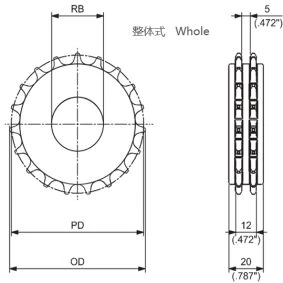
Звездочки обеспечивают передачу крутящего момента. Необходимо учитывать количество зубьев, диаметр делительной окружности, диаметр отверстия, конструкцию ступицы (разборная или с разъемным креплением), шпоночное соединение вала и осевое положение. Неправильная центровка может концентрировать нагрузку только на части ширины ремня, а неподходящее крепление может препятствовать тепловому расширению.
5. Ознакомьтесь со службой поддержки, руководствами и информацией о переводах.
Транспортные узлы заслуживают такого же инженерного внимания, как и длинные конвейерные пролеты. Для небольших или неустойчивых изделий может потребоваться гребенчатая пластина, роликовый мост, носовое устройство или контролируемая геометрия неподвижной пластины. Цель состоит не просто в небольшом видимом зазоре; интерфейс должен поддерживать изделие и предотвращать помехи между движущимися модулями и неподвижными частями.
| Интерфейс | Техническая проверка |
|---|---|
| Опора для переноса | Опорная поверхность должна соответствовать геометрии модуля и нагрузке. |
| Обратный путь | Предотвратите неконтролируемое провисание или помехи. |
| Гиды | Контролируйте движение изделия, не смещая ремень/цепь с заданной траектории. |
| Передача | Проверьте зазор между гребенкой, роликовым мостом или неподвижной пластиной. |
| Водить машину | Убедитесь в правильном положении и выравнивании зубов. |
6. Ввод в эксплуатацию и техническое обслуживание.
Техническое обслуживание наиболее эффективно, когда оно проводится на основе осмотра. Операторы должны контролировать шарнирные соединения, тяги, контакт направляющих, зацепление звездочек, необычный шум, локальный износ, скопление продукта и любые изменения в обратном пути. Замена одного изношенного компонента без исправления соосности или загрязнения может лишь переместить проблему в другое место.
Зафиксируйте окончательно установленную серию, данные о звездочке, расположение вала, размеры шпонки, а также любые особые требования к материалам или очистке.
Контрольный список запроса коммерческого предложения
Для проектов OEM и модернизации качественный запрос предложений (RFQ) должен разделять подтвержденные данные и вопросы. Подтвержденные размеры должны быть указаны с указанием единиц измерения и метода измерения. Неизвестные материалы, нагрузка, скорость или воздействие химических веществ должны быть отмечены как требующие подтверждения, а не оценки.
Часто задаваемые вопросы
Какой параметр следует измерить первым?
Начните с шага и ширины в собранном виде, затем задокументируйте линию шарнира/тяги, край ремня и место соединения звездочки и вала.
Можно ли масштабировать рисунок с фотографии?
Ненадежно, если шкала не находится в той же плоскости. По возможности используйте прямые измерения.
Что делать, если на детали нет читаемой маркировки?
Пришлите несколько фотографий, укажите шаг зубьев, ширину, геометрию нижней части привода, количество зубьев звездочки и диаметр отверстия, а также, по возможности, образец.
Следует ли менять материал, если старый ремень быстро изнашивается?
В первую очередь определите механизм износа. Соосность, опора, загрязнение и температура могут быть более важными факторами, чем материал.
Как сравнить двух кандидатов?
Сравните геометрию, функциональность поверхности, нагрузку, температуру, ширину конструкции, пределы радиуса/обратного изгиба и требования к звездочке/компонентам.
Decision framework
How to Select Modular Belt Pitch: what the engineering review must decide
Separate confirmed evidence from assumptions. For this topic, the central issue is pitch as a system dimension rather than a standalone number. This keeps the quotation useful and prevents a familiar-looking part from being released on incomplete information. The project record should connect the visible condition, the measured interface and the operating duty so that a proposed series can be checked against the same evidence later.
Start by identifying which parts of the system are fixed by the machine and which are still open to selection. A shaft, guide path, transfer location or process envelope may be fixed, while material, surface, exact series or component configuration can remain open. Making that distinction early prevents the engineering discussion from treating every catalogue option as interchangeable.
| Decision variable | What to document |
|---|---|
| hinge-to-hinge pitch | Record the project value or condition and note how it was confirmed before release. |
| sprocket pitch geometry | Record the project value or condition and note how it was confirmed before release. |
| available belt thickness/backflex | Record the project value or condition and note how it was confirmed before release. |
| module width construction | Record the project value or condition and note how it was confirmed before release. |
| transfer and product-size constraints | Record the project value or condition and note how it was confirmed before release. |
Field method
Measure the interfaces that control this decision
For pitch as a system dimension rather than a standalone number, the most useful field record covers several consecutive hinge pitches, overall width, hinge/rod diameter and the matching sprocket geometry. Measurements should be taken on a clean, supported component whenever possible. If wear is present, record the worn condition and avoid treating it as the original nominal geometry.
Use direct dimensions with units and take more than one reading when wear, articulation or assembly tolerances can affect the result. A photograph should show the measuring tool in the same plane as the feature being checked; a second perpendicular photograph provides context that a single perspective image cannot. When a dimension cannot be obtained reliably, mark it as open rather than estimating it.
The machine layout matters as much as the loose part. Record the drive end, return end, guide arrangement, transfer zone and any location where the belt changes direction or experiences unusual product pressure. That context explains why two parts with similar overall dimensions may behave differently in service.

Поиск неисправностей
Interpret the symptom before changing the component
Wear is evidence of a contact or operating condition. Use the pattern to decide what to inspect next rather than replacing the most visible worn part automatically.
Measure across several consecutive pitches on a clean, supported section and divide by the number of intervals. Compare more than one location so wear, contamination or a distorted end link does not define the replacement.
Check the sprocket as a series-specific drive component, not by tooth count alone. Confirm belt or chain family, pitch relationship, bore or shaft fit, tooth condition and axial position before deciding that the drive is reusable.
Compare measurable geometry before accepting a visual match: pitch, assembled width, hinge or rod line, underside drive features and edge profile. Appearance can narrow identification, but it cannot establish interchangeability.
Inspect the transition geometry under representative product. Check support, clearance, articulation and product orientation through the transfer, and record whether the symptom changes with load, speed or accumulation.
A single symptom rarely proves the root cause. Compare left and right sides, drive and return zones, loaded and unloaded operation, and the condition of mating parts. If a problem appears only after product accumulation, washdown, temperature change or a line-speed change, include that operating state in the investigation. This is especially important when the existing system ran acceptably before a process change.
Machine integration
Review the complete conveyor around the selected item
Use a simple sequence: confirm the product path, identify the belt or chain motion type, verify the positive-drive or mounting interface, review carry-way and return support, then check guides and transfers. The order matters because a change made to solve one zone can create a new interference or wear point elsewhere.
For this article, a representative review scenario is an OEM deciding between available modular-belt families for a compact transfer while retaining a known shaft arrangement. The technical review should therefore include the most demanding zone, not only the longest straight span. Where the product changes direction, accumulates, enters a transfer or experiences washdown, note the local geometry and the component that carries or constrains the load.
Keep safety guarding, access and the machine maker’s procedures outside the component-selection assumptions. The conveyor component data can support fit and operating review, but machine-level safety and commissioning remain part of the equipment design and site procedure.
Worked review
How to compare alternatives without inventing missing data
Assume the current line has a known product path and an existing component that may need replacement. First, write down the values that are physically measured or clearly identified. Next, list the parameters that come from the exact candidate series. Keep those two groups separate. A published material or operating value belongs to the candidate series; a shaft diameter, guide spacing or installed width belongs to the machine.
Then compare the fixed interfaces with each candidate. Reject an option when a required geometry is incompatible rather than trying to compensate with guide pressure, forced articulation or an improvised sprocket. If several options remain, compare the functional differences that matter to the process: contact surface, open area, rolling or gripping function, curve capability, transfer behavior, cleaning access or component serviceability. The choice should be traceable to the process requirement rather than to color or appearance.
Finally, identify what would still have to be confirmed before order release. The open item might be a material requirement, a drawing dimension, a bore/keyway detail, an exact installed width or an operating exposure. State who will confirm it and by what evidence. This makes the quotation useful even before every question is closed and avoids hiding uncertainty inside an assumed specification.
Procurement handoff
Build a purchase description that can be checked later
The handoff should preserve the relationship between the selected component and the machine. For this topic, keep confirmed pitch, width construction, belt family, compatible sprocket family and transfer requirement together in the RFQ or purchase record. Attach the layout or photographs used for the decision and identify any accepted alternative rather than relying on an informal description such as “same as existing.”
| Record | Purpose |
|---|---|
| Component identity | Series/model or the measured identification basis when the marking is unavailable. |
| Machine interface | Dimensions, shaft/mounting, guides, support, transfer and surrounding fixed geometry relevant to the topic. |
| Operating duty | Product/load, speed context, temperature, wet/dry condition, cleaning or other process exposure that affects selection. |
| Открытые точки | Items that still require a drawing, sample, second measurement or engineering confirmation. |
| Revision record | The final accepted drawing, series/configuration and any change from the previous installation. |
This record is also valuable for maintenance. If the conveyor is modified later, the team can see which assumptions belonged to the original selection and decide whether the changed product, speed, guide path, cleaning process or transfer geometry requires a fresh review.
Commissioning
Check the first run against the engineering assumptions
When the machine procedure permits, begin with an unloaded or lightly loaded check. Observe the drive or mounting interface, guide contact, carry-way support, return path and clearances to stationary parts. Then introduce representative product and watch the zone that drove the selection decision. The objective is to verify that the installed behavior matches the assumptions documented during selection.
Listen for new cyclic noise and inspect for localized rubbing, lifting, rod movement, edge contact, product marking or debris concentration. A small early change can be easier to correct before it becomes a wear pattern. Record the first inspection condition so later maintenance has a baseline rather than relying on memory.
If the result differs from the expected behavior, return to the measured interface and operating condition before changing material or series again. A component change cannot correct a misaligned shaft, an interfering guide or a transfer that physically constrains the belt outside its intended articulation.
Release checklist
Questions to close before ordering
- Is the exact motion type or component function identified?
- Are the controlling machine dimensions recorded with units?
- Are mating sprockets, shafts, guides, supports or transfer parts documented?
- Are product, load and operating conditions representative of actual duty?
- Are material or special-process requirements tied to the exact series rather than inferred?
- Are worn or modified surrounding parts identified separately from the proposed replacement?
- Are all unknown values explicitly listed for confirmation?
- Does the RFQ include quantity plus clear drawings, photographs or a sample when available?
Closing these questions produces a stronger engineering request and reduces the chance that a quotation is based on visual similarity alone. If a value remains unknown, leave it open and state the evidence needed to close it; do not invent a number to make the request appear complete.