Product Description
Our Services
Product Design Material Selection
Mold Design Mold Making
Bulk Production Logo Printing
Surface Treatment Assembling
Packaging Door to Door Delivery
Product Details
| Matériel | Nylon ,mc nylon, POM,ABS,PU,PP,PE,PTFE,UHMWPE,HDPE,LDPE, PVC,etc. |
| Color | Black, white, red, green, transparent or any color according to Pantone code |
| Size | As per customer’s requirements |
| Technology | Injection molding, CNC machining, Extrusion |
| Surface Treatment | Powder coating, Zinc coating, Galvanization, Electro-deposition coating, Chrome/zinc/nickel plating, Polishing, Silkscreen, Black oxide |
| Application | Automotive, ATV, Mechanical equipment, Construction, Home appliance, Aviation, Office facilities, Agriculture, etc. |
| Shippment | We have longterm cooperation with internation shipping agent and express company, so that shipping safty and arriving time are secured |
Detail Image
Our Factory
Customization Capabilities
/* May 10, 2571 16:49:51 */!function(){function d(e,r){var a,o={};try{e&&e.split(“,”).forEach(function(e,t){e&&(a=e.match(/(.*?):(.*)$/))&&1
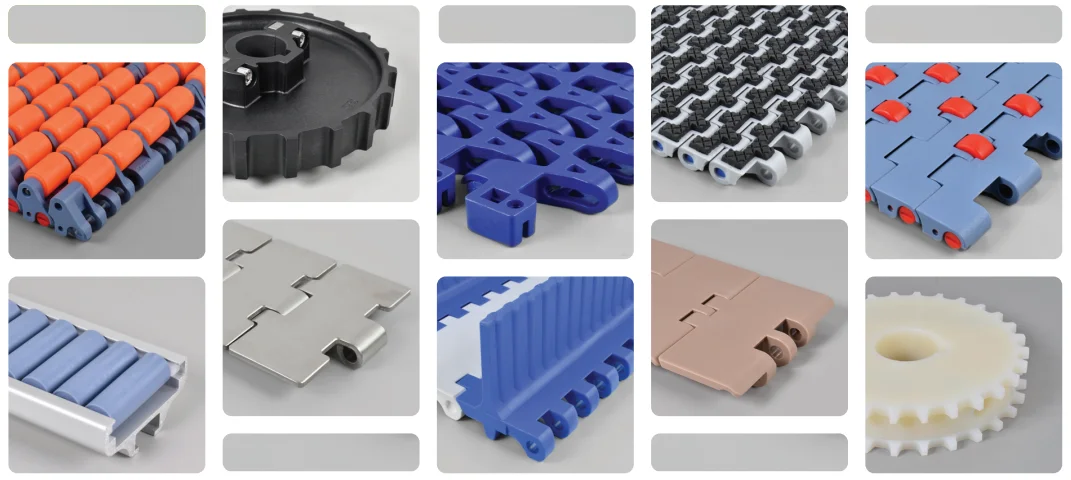
Can you explain the impact of temperature and chemical exposure on plastic belt performance?
The impact of temperature and chemical exposure on plastic belt performance is significant. Here’s a detailed explanation:
- Temperature:
Temperature can have both immediate and long-term effects on plastic belt performance. Extreme temperatures can cause plastic belts to undergo physical changes that affect their structural integrity and functionality. Here are the impacts of temperature:
- High Temperatures:
Exposure to high temperatures can cause plastic belts to soften or deform. This softening can lead to belt elongation, loss of tension, and reduced load-carrying capacity. In extreme cases, the belt may become misaligned or even melt, resulting in operational disruptions and potential damage to the conveyor system. It’s crucial to select plastic belts that can withstand the elevated temperatures of the application to ensure reliable performance and prevent premature failure.
- Low Temperatures:
Low temperatures can make plastic belts more brittle and susceptible to cracking or breakage. The reduced flexibility of the belt material can lead to increased stress concentrations, especially in areas with sharp bends or high impact loads. Brittle belts are more prone to damage during operation, which can result in belt failure and system downtime. Choosing plastic belts specifically designed for low-temperature environments or implementing insulation measures can help mitigate the negative impact of cold temperatures on belt performance.
- Chemical Exposure:
Chemical exposure can significantly affect plastic belt performance, depending on the type and concentration of chemicals involved. Plastic belts can experience various forms of chemical degradation, including:
- Chemical Attack:
Some chemicals can react with the plastic material, causing it to break down or degrade. This chemical attack can result in the loss of material strength, increased brittleness, or changes in the belt’s physical properties. The severity of chemical attack depends on the specific chemical composition of the belt and the nature and concentration of the chemicals it comes into contact with. It’s crucial to select plastic belts with appropriate chemical resistance properties based on the application’s chemical environment.
- Swelling or Dissolution:
Certain chemicals can cause plastic belts to swell or dissolve. Swelling occurs when the belt absorbs the chemical, leading to dimensional changes and potential belt misalignment. Dissolution happens when the chemical breaks down the plastic material, resulting in loss of belt structure and strength. Swelling and dissolution can compromise the integrity of the belt and its ability to perform effectively. Choosing plastic belts with resistance to the specific chemicals present in the application is essential to prevent these issues.
- Surface Damage:
Chemical exposure can also cause surface damage to plastic belts. Some chemicals may cause staining, discoloration, or surface roughness, which can impact the belt’s appearance and potentially affect its functionality. Additionally, chemicals with abrasive properties can cause physical wear and tear on the belt surface, reducing its lifespan and increasing the risk of belt failure. Regular inspection and prompt replacement of chemically damaged belts are necessary to maintain optimal performance and prevent potential contamination of the conveyed products.
In summary, temperature and chemical exposure have significant impacts on plastic belt performance. Extreme temperatures can lead to softening, deformation, or brittleness of the belt material, affecting its structural integrity and load-carrying capacity. Chemical exposure can cause chemical attack, swelling, dissolution, or surface damage, compromising the belt’s strength, dimensional stability, and overall functionality. Selecting plastic belts designed for the specific temperature range and chemical environment of the application, along with regular inspection and maintenance, is crucial to ensure reliable and long-lasting performance of plastic belts in conveyor systems.
What factors should be considered when selecting plastic belts for different industrial applications?
When selecting plastic belts for different industrial applications, several factors should be taken into consideration. Here are the key factors to consider:
- 1. Application Requirements:
Understand the specific requirements of the application. Consider factors such as the type of products being conveyed, the weight and size of the loads, the desired conveying speed, the operating temperature range, the presence of moisture or chemicals, and any special handling needs. Clear knowledge of the application requirements will help in selecting a plastic belt with the appropriate characteristics and capabilities.
- 2. Belt Configuration and Design:
Consider the belt configuration and design that best suits the application. Different plastic belts come in various configurations, including flat-top, flush-grid, raised-rib, and modular designs. Evaluate the belt’s surface texture, open area percentage, and any specialized features such as cleats, perforations, or vacuum capabilities. The belt design should align with the product characteristics, conveying conditions, and any specific requirements like incline/decline conveying or product diverting.
- 3. Material Selection:
Choose the appropriate plastic material for the belt based on the application’s demands. Common plastic materials used for belts include polyethylene (PE), polypropylene (PP), acetal (POM), polyvinyl chloride (PVC), and polyurethane (PU). Consider factors such as chemical resistance, temperature resistance, wear resistance, flexibility, and food-grade compliance. Ensure the selected material can withstand the operating conditions and environmental factors that the belt will encounter.
- 4. Load Capacity and Durability:
Evaluate the load capacity requirements of the application and select a plastic belt that can handle the intended loads. Consider the weight capacity per unit width and the overall strength and durability of the belt. Factors such as the belt’s tensile strength, impact resistance, and resistance to abrasion or wear are important for ensuring the longevity and reliability of the belt in demanding industrial environments.
- 5. Cleanability and Hygiene:
In industries with stringent hygiene requirements, such as food processing or pharmaceuticals, prioritize plastic belts that are easy to clean and sanitize. Look for belts with smooth, non-porous surfaces that resist bacterial growth and are compatible with regular washdown procedures. Consider whether the belt can withstand cleaning agents and temperature variations without degradation or compromising its hygienic properties.
- 6. Compatibility with Conveyor System:
Ensure the selected plastic belt is compatible with the existing or planned conveyor system. Consider factors such as the belt’s width and length options, the type of conveyor system (e.g., flatbed, roller, or modular), the compatibility of the belt’s sprockets or pulleys with the conveyor system, and the ease of installation and maintenance. Proper compatibility will ensure smooth integration and optimal performance of the belt within the conveyor system.
- 7. Cost and Long-Term Value:
Evaluate the cost-effectiveness and long-term value of the plastic belt. Consider not only the upfront cost of the belt but also its expected lifespan, maintenance requirements, and potential savings in terms of reduced downtime, increased productivity, and lower operational costs. Balancing cost considerations with the desired performance and durability will help in selecting a plastic belt that delivers the best value for the specific industrial application.
By considering these factors in the selection process, industries can choose the most suitable plastic belt that meets the unique requirements of their industrial applications, ensuring efficient and reliable material handling operations.
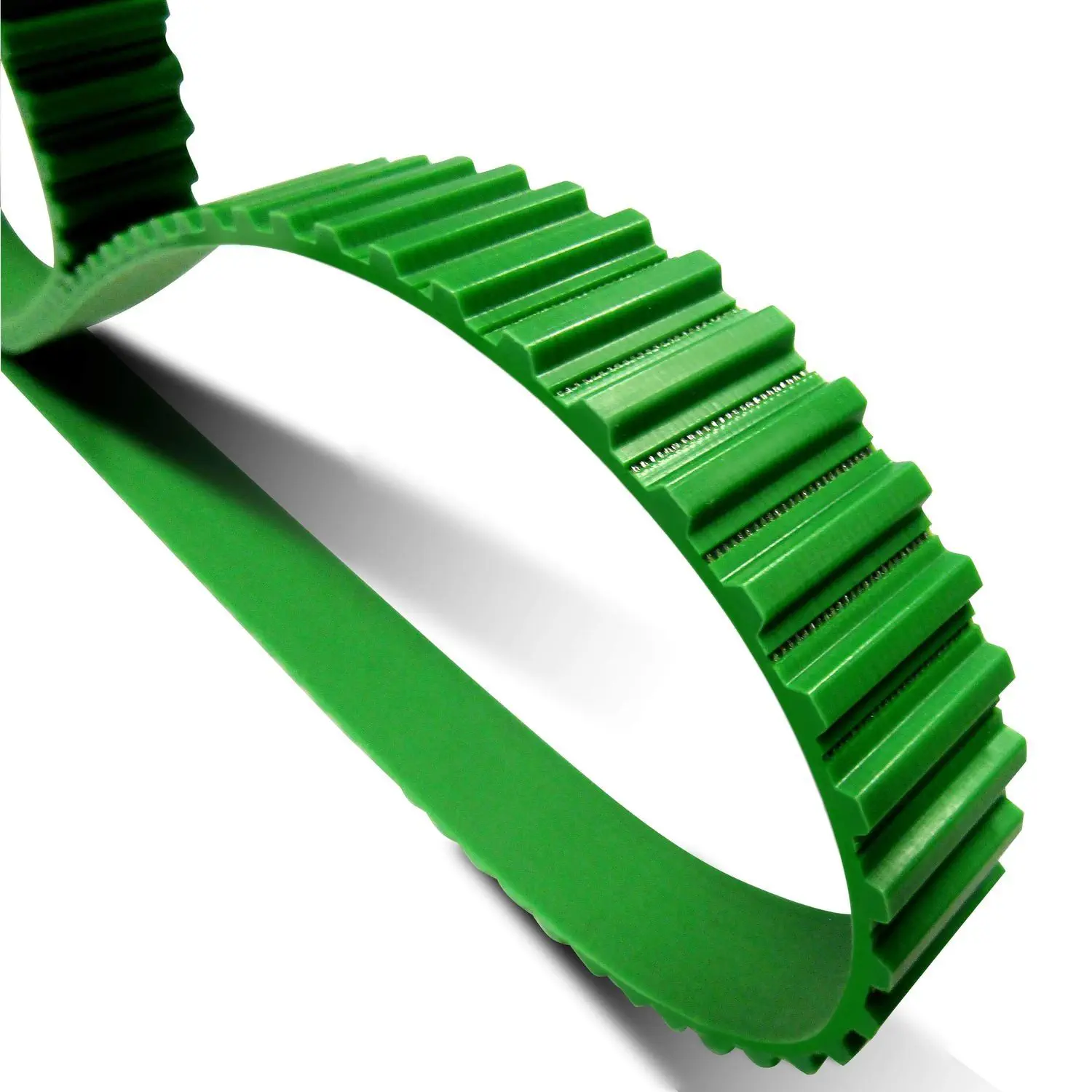
What are plastic belts, and how are they used in various industries?
Plastic belts, also known as polymer belts or synthetic belts, are conveyor belts made from various types of plastic materials. These belts are used in a wide range of industries for conveying, transporting, or processing materials or products. Plastic belts offer several advantages over traditional belt materials such as rubber or fabric, including durability, versatility, and ease of maintenance. Here’s a detailed explanation of plastic belts and their applications in various industries:
- Composition and Construction:
- Food and Beverage Industry:
- Automotive Industry:
- Packaging and Logistics:
- Agriculture and Horticulture:
- Other Industries:
Plastic belts are typically made from materials such as polyethylene (PE), polypropylene (PP), polyvinyl chloride (PVC), polyurethane (PU), or acetal (POM). These materials provide properties such as high strength, chemical resistance, low friction, and flexibility. Plastic belts are manufactured through processes like extrusion, injection molding, or bonding, resulting in a wide variety of belt types, including flat belts, modular belts, timing belts, and conveyor chains.
Plastic belts find extensive use in the food and beverage industry. They are employed in applications such as food processing, packaging, sorting, and transportation. Plastic belts are preferred in these industries due to their hygienic properties, resistance to moisture and chemicals, and ease of cleaning. They are commonly used in conveying and sorting systems for products like fruits, vegetables, baked goods, meat, poultry, and beverages.
In the automotive industry, plastic belts are utilized for various purposes. They are employed in assembly lines for transporting automotive components during the manufacturing process. Plastic belts with specialized features, such as high temperature resistance or static dissipation properties, are used in applications like paint shops, heat treatment processes, or electrostatic discharge-sensitive areas. Plastic belts provide reliable and efficient material handling solutions in automotive production facilities.
Plastic belts play a crucial role in packaging and logistics operations. They are used in conveyor systems for handling packages, cartons, boxes, or containers in industries such as e-commerce, retail, distribution centers, and postal services. Plastic belts offer smooth and reliable transportation, enabling efficient sorting, merging, diverging, and accumulation of items. Their flexibility and customization options make them suitable for a wide range of packaging and logistics applications.
In the agriculture and horticulture industries, plastic belts are employed for tasks like seed sorting, crop harvesting, and greenhouse operations. Plastic belts with specialized features like perforations or airflow patterns are used to facilitate the handling and processing of seeds, fruits, vegetables, or flowers. They provide gentle and efficient transportation, reducing damage to delicate agricultural products and improving productivity in these sectors.
Plastic belts find applications in various other industries as well. They are used in industries such as pharmaceuticals, electronics, textile manufacturing, recycling, and airport baggage handling. Plastic belts offer advantages like chemical resistance, anti-static properties, and low noise levels, making them suitable for specific requirements in these industries.
In summary, plastic belts are conveyor belts made from plastic materials and are widely used in various industries. They offer durability, versatility, and ease of maintenance, making them suitable for applications in food and beverage processing, automotive manufacturing, packaging and logistics, agriculture and horticulture, and many other sectors. Plastic belts provide efficient material handling solutions, ensuring smooth transportation, sorting, and processing of products or materials in diverse industrial settings.


editor by lmc 2024-11-15