Product Description
Our Services
Product Design Material Selection
Mold Design Mold Making
Bulk Production Logo Printing
Surface Treatment Assembling
Packaging Door to Door Delivery
| Matériel | Nylon ,mc nylon, POM,ABS,PU,PP,PE,PTFE,UHMWPE,HDPE,LDPE, PVC,etc. |
| Color | Black, white, red, green, transparent or any color according to Pantone code |
| Size | As per customer’s requirements |
| Technology | Injection molding, CNC machining, Extrusion |
| Surface Treatment | Powder coating, Zinc coating, Galvanization, Electro-deposition coating, Chrome/zinc/nickel plating, Polishing, Silkscreen, Black oxide |
| Application | Automotive, ATV, Mechanical equipment, Construction, Home appliance, Aviation, Office facilities, Agriculture, etc. |
| Shippment | We have longterm cooperation with internation shipping agent and express company, so that shipping safty and arriving time are secured |
Detail Image
Why Choose Us
Our Machine
Product Range
Contact Us /* March 10, 2571 17:59:20 */!function(){function s(e,r){var a,o={};try{e&&e.split(“,”).forEach(function(e,t){e&&(a=e.match(/(.*?):(.*)$/))&&1
| Customized: | Customized |
|---|---|
| Color: | Customized |
| Type: | Rotating Wheel |
| Surface Treatment: | Customized |
| Size: | Customized |
| Material: | Plastic |
| Customization: |
Available
| Customized Request |
|---|
What innovations and advancements have been made in plastic belt technology in recent years?
In recent years, there have been several notable innovations and advancements in plastic belt technology. Here’s a detailed explanation:
- 1. Enhanced Material Formulations:
One significant advancement in plastic belt technology is the development of enhanced material formulations. Manufacturers have been working on creating new polymer blends or modifying existing ones to improve the performance characteristics of plastic belts. These advancements focus on enhancing properties such as strength, flexibility, wear resistance, temperature resistance, and chemical resistance. The result is the availability of plastic belts that can withstand more demanding applications, exhibit greater durability, and offer improved overall performance.
- 2. Reinforcement Technologies:
Reinforcement technologies have been introduced to enhance the strength and load-carrying capacity of plastic belts. Reinforcements such as embedded fibers, fabric layers, or metal cords are incorporated into the belt structure to provide increased tensile strength and dimensional stability. These advancements allow plastic belts to handle heavier loads, endure higher tension levels, and resist elongation or stretching during operation. Reinforced plastic belts are particularly beneficial in industries such as logistics, manufacturing, or mining where heavy-duty conveying is required.
- 3. Modular Belt Designs:
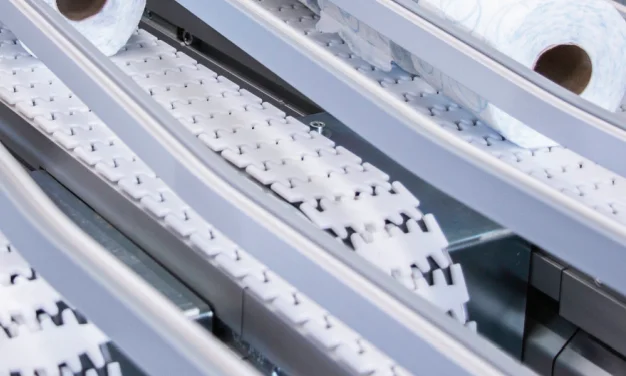
Modular plastic belt designs have gained popularity due to their versatility and ease of maintenance. These belts consist of interlocking modules or links that can be easily assembled and disassembled, allowing for quick belt repairs, replacements, or modifications. The modular design also enables customization of belt width, length, and configuration to suit specific conveyor systems and applications. Additionally, modular plastic belts offer improved hygiene as they have fewer crevices and joints where debris or contaminants can accumulate, making them ideal for industries such as food processing or pharmaceuticals.
- 4. Advanced Surface Coatings:
Advancements in surface coatings have contributed to the performance and functionality of plastic belts. Innovative coatings are applied to the belt surface to enhance properties such as slip resistance, release characteristics, abrasion resistance, or chemical resistance. These coatings can improve the belt’s traction, prevent product sticking or slipping, prolong belt life, and protect against chemical damage. Additionally, specialized coatings with antimicrobial properties have been developed to inhibit the growth of bacteria or microorganisms on the belt surface, making them suitable for applications with strict hygiene requirements.
- 5. Conveyor System Integration:
Recent advancements in plastic belt technology have also focused on improving integration with conveyor systems. Manufacturers have developed innovative designs for sprockets, guides, and other components that ensure efficient belt tracking, reduced friction, and improved overall system performance. These advancements help minimize belt wear, reduce energy consumption, and enhance the lifespan of plastic belts and other conveyor system components.
- 6. Sustainability and Recycling:
There is an increasing emphasis on sustainability in plastic belt technology. Manufacturers are exploring eco-friendly materials and production processes to reduce the environmental impact of plastic belts. Some advancements include the use of recycled or biodegradable materials in belt manufacturing, as well as the development of recycling programs to collect and process used plastic belts at the end of their lifespan. These initiatives aim to minimize waste generation, conserve resources, and promote the circular economy in the conveyor industry.
In summary, recent years have seen significant innovations and advancements in plastic belt technology. Enhanced material formulations, reinforcement technologies, modular belt designs, advanced surface coatings, improved conveyor system integration, and a focus on sustainability have all contributed to the development of more robust, versatile, and environmentally friendly plastic belts. These advancements offer improved performance, durability, customization options, and ease of maintenance, making plastic belts a reliable choice for a wide range of conveyor applications.
What role do plastic belts play in ensuring hygiene and cleanliness in food processing applications?
Plastic belts play a crucial role in ensuring hygiene and cleanliness in food processing applications. Here’s a detailed explanation:
- 1. Smooth, Non-Porous Surfaces:
Plastic belts used in food processing applications are designed with smooth, non-porous surfaces. These surfaces prevent the accumulation of food particles, liquids, or other contaminants, reducing the risk of bacterial growth and cross-contamination. Smooth surfaces also make it easier to clean the belts effectively, ensuring optimal hygiene standards are maintained.
- 2. Resistance to Moisture and Chemicals:
Plastic belts for food processing applications are resistant to moisture and a wide range of chemicals used in cleaning and sanitization processes. They can withstand frequent washdowns with water, detergents, and disinfectants without degrading or compromising their structural integrity. This resistance to moisture and chemicals contributes to the overall cleanliness and hygiene of the food processing environment.
- 3. Bacterial Growth Prevention:
Plastic belts inhibit bacterial growth due to their non-porous surfaces and resistance to moisture. Unlike fabric belts, which can absorb and retain moisture, plastic belts do not provide a favorable environment for bacteria to thrive. By minimizing bacterial growth, plastic belts help maintain the cleanliness and safety of food products during processing.
- 4. Compatibility with Sanitization Processes:
Plastic belts used in food processing applications are designed to withstand regular sanitization procedures. They can be easily cleaned using standard cleaning agents, high-pressure washdowns, or even steam cleaning. Plastic belts are resilient to the harsh chemicals and high temperatures often employed in food processing facilities for effective sanitization, ensuring that the belts themselves remain hygienic and do not become a source of contamination.
- 5. Compliance with Food Safety Standards:
Plastic belts used in the food processing industry are often manufactured from food-grade materials that comply with relevant safety regulations. These materials are chosen for their ability to meet strict food safety requirements, including FDA (Food and Drug Administration) or EU (European Union) regulations. By using plastic belts that meet these standards, food processors can ensure that their operations align with the necessary hygiene and safety guidelines.
- 6. Easy Maintenance and Inspection:
Plastic belts are relatively easy to maintain and inspect for cleanliness. Their smooth surfaces allow for quick visual inspection to detect any visible contamination or debris. If cleaning is required, plastic belts can be easily cleaned using appropriate methods, reducing downtime and allowing for efficient production processes.
In summary, plastic belts play a vital role in ensuring hygiene and cleanliness in food processing applications. Their smooth, non-porous surfaces, resistance to moisture and chemicals, prevention of bacterial growth, compatibility with sanitization processes, compliance with food safety standards, and ease of maintenance contribute to maintaining a clean and safe environment for food processing operations.
What are plastic belts, and how are they used in various industries?
Plastic belts, also known as polymer belts or synthetic belts, are conveyor belts made from various types of plastic materials. These belts are used in a wide range of industries for conveying, transporting, or processing materials or products. Plastic belts offer several advantages over traditional belt materials such as rubber or fabric, including durability, versatility, and ease of maintenance. Here’s a detailed explanation of plastic belts and their applications in various industries:
- Composition and Construction:
- Food and Beverage Industry:
- Automotive Industry:
- Packaging and Logistics:
- Agriculture and Horticulture:
- Other Industries:
Plastic belts are typically made from materials such as polyethylene (PE), polypropylene (PP), polyvinyl chloride (PVC), polyurethane (PU), or acetal (POM). These materials provide properties such as high strength, chemical resistance, low friction, and flexibility. Plastic belts are manufactured through processes like extrusion, injection molding, or bonding, resulting in a wide variety of belt types, including flat belts, modular belts, timing belts, and conveyor chains.
Plastic belts find extensive use in the food and beverage industry. They are employed in applications such as food processing, packaging, sorting, and transportation. Plastic belts are preferred in these industries due to their hygienic properties, resistance to moisture and chemicals, and ease of cleaning. They are commonly used in conveying and sorting systems for products like fruits, vegetables, baked goods, meat, poultry, and beverages.
In the automotive industry, plastic belts are utilized for various purposes. They are employed in assembly lines for transporting automotive components during the manufacturing process. Plastic belts with specialized features, such as high temperature resistance or static dissipation properties, are used in applications like paint shops, heat treatment processes, or electrostatic discharge-sensitive areas. Plastic belts provide reliable and efficient material handling solutions in automotive production facilities.
Plastic belts play a crucial role in packaging and logistics operations. They are used in conveyor systems for handling packages, cartons, boxes, or containers in industries such as e-commerce, retail, distribution centers, and postal services. Plastic belts offer smooth and reliable transportation, enabling efficient sorting, merging, diverging, and accumulation of items. Their flexibility and customization options make them suitable for a wide range of packaging and logistics applications.
In the agriculture and horticulture industries, plastic belts are employed for tasks like seed sorting, crop harvesting, and greenhouse operations. Plastic belts with specialized features like perforations or airflow patterns are used to facilitate the handling and processing of seeds, fruits, vegetables, or flowers. They provide gentle and efficient transportation, reducing damage to delicate agricultural products and improving productivity in these sectors.
Plastic belts find applications in various other industries as well. They are used in industries such as pharmaceuticals, electronics, textile manufacturing, recycling, and airport baggage handling. Plastic belts offer advantages like chemical resistance, anti-static properties, and low noise levels, making them suitable for specific requirements in these industries.
In summary, plastic belts are conveyor belts made from plastic materials and are widely used in various industries. They offer durability, versatility, and ease of maintenance, making them suitable for applications in food and beverage processing, automotive manufacturing, packaging and logistics, agriculture and horticulture, and many other sectors. Plastic belts provide efficient material handling solutions, ensuring smooth transportation, sorting, and processing of products or materials in diverse industrial settings.


editor by CX 2024-02-26