Series / Product
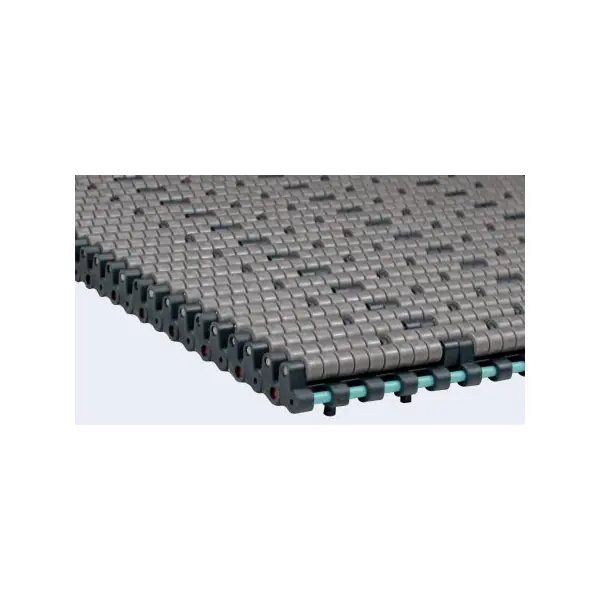
610 Series Roller Straight Run Belt
610 Series Roller Straight Run Belt for industrial conveying and replacement work, with series-specific dimensions, interface checks and RFQ guidance.
- Pitch
- 12.7 mm
- Minimum backflex radius
- 65 mm
- Maximum working load at 21°C
- 14,000 N
- Working temperature
- 4–65 °C dry/wet
For replacement work, send the existing series/model when known plus measured width, pitch and drive-interface details. Unknown values can remain open for confirmation.
Product overview
610 Series Roller Straight Run Belt is presented as an industrial conveyor component for OEM, replacement and line-development work. This page keeps the series identity and available technical data together, then explains the surrounding interfaces that determine whether a replacement or new installation will fit and run correctly.
A plastic modular conveyor is a positive-drive system. The belt or chain should be selected as part of a complete mechanical interface that includes the conveyed product, support surface, shaft arrangement, sprocket position, return path, guides, transfers, temperature, cleaning regime, and accumulation behavior. A small geometric mismatch can alter articulation or tooth engagement, so purchasing decisions should be based on measured interfaces rather than visual similarity alone. For replacement work, the most useful starting information is the existing belt or chain identification, pitch, assembled width, hinge or rod arrangement, edge profile, sprocket tooth count, sprocket bore, shaft size, and clear photographs of the drive and return ends. When a legacy marking is unreadable, a dimensioned sketch and several perpendicular photographs are more reliable than one perspective image.
Structure and interface
سیستمهای مستقیم و شعاعی، الزامات هندسی متفاوتی را تحمیل میکنند. ماژولهای مستقیم در جهت حرکت، حول چرخدندهها مفصل میشوند، در حالی که طراحی شعاعی یا جانبی باید مفصلبندی جانبی را نیز از طریق یک منحنی کنترلشده در خود جای دهد. یک تسمه مستقیم هرگز نباید صرفاً به دلیل تناسب عرض آن با قاب، از یک منحنی عبور داده شود.
Check the hinge line, edge geometry, underside drive features and any retention elements against the existing system. Do not identify the product from color alone.
Technical specifications
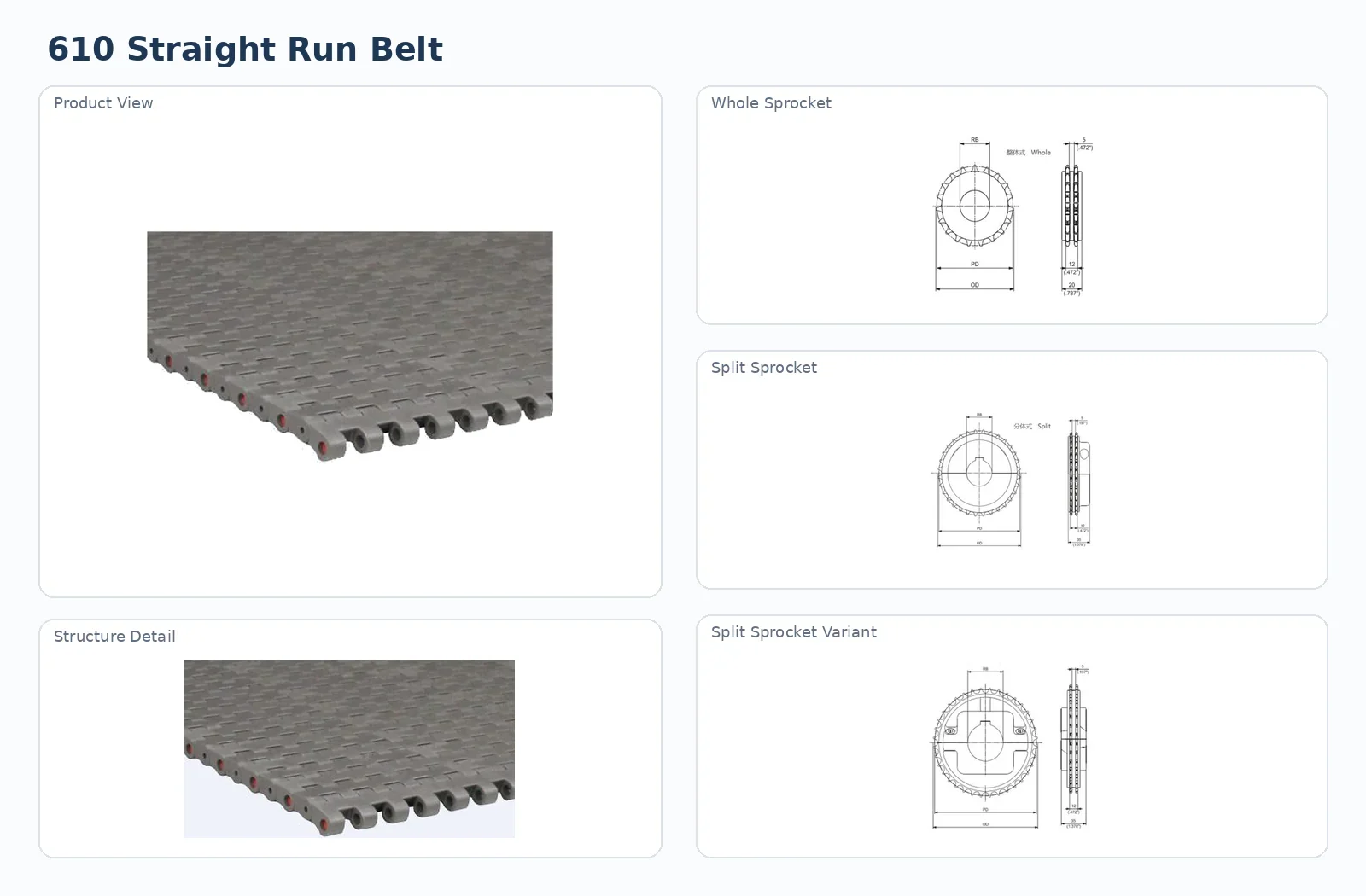
Use the series-specific values below when checking fit, operating conditions and drive compatibility. Confirm project conditions before release.

| Parameter | Value |
|---|---|
| Pitch | 12.7 mm |
| Minimum backflex radius | 65 mm |
| Maximum working load at 21°C | 14,000 N |
| Working temperature | 4–65 °C dry/wet |
| Weight | 18.5 kg/m² |
| Material code | XLG |
| Mold-part widths | 85 / 170 mm |
| Standard assembly width | W = 85 × N |
Selection checks
Confirm straight, radius, incline, accumulation and transfer duty.
Measure pitch, assembled width, hinge/rod position and any retention features.
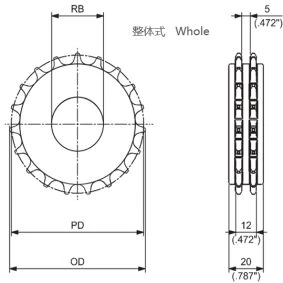
Confirm compatible sprocket series, tooth count, bore and shaft.
State temperature, wet/dry duty, cleaning chemistry and special material needs.
محیط عملیاتی اهمیت دارد زیرا مواد ترموپلاستیک به دما، رطوبت، مواد شیمیایی، سایش و تماس لغزشی مداوم واکنشهای متفاوتی نشان میدهند. مقادیر سری منتشر شده باید همراه با کدهای ماده و محدوده دمایی ذکر شده برای آنها استفاده شوند. یک ماده نباید صرفاً به دلیل رنگ مشابه جایگزین شود؛ رنگ یک روش شناسایی ماده کافی نیست.
Application planning
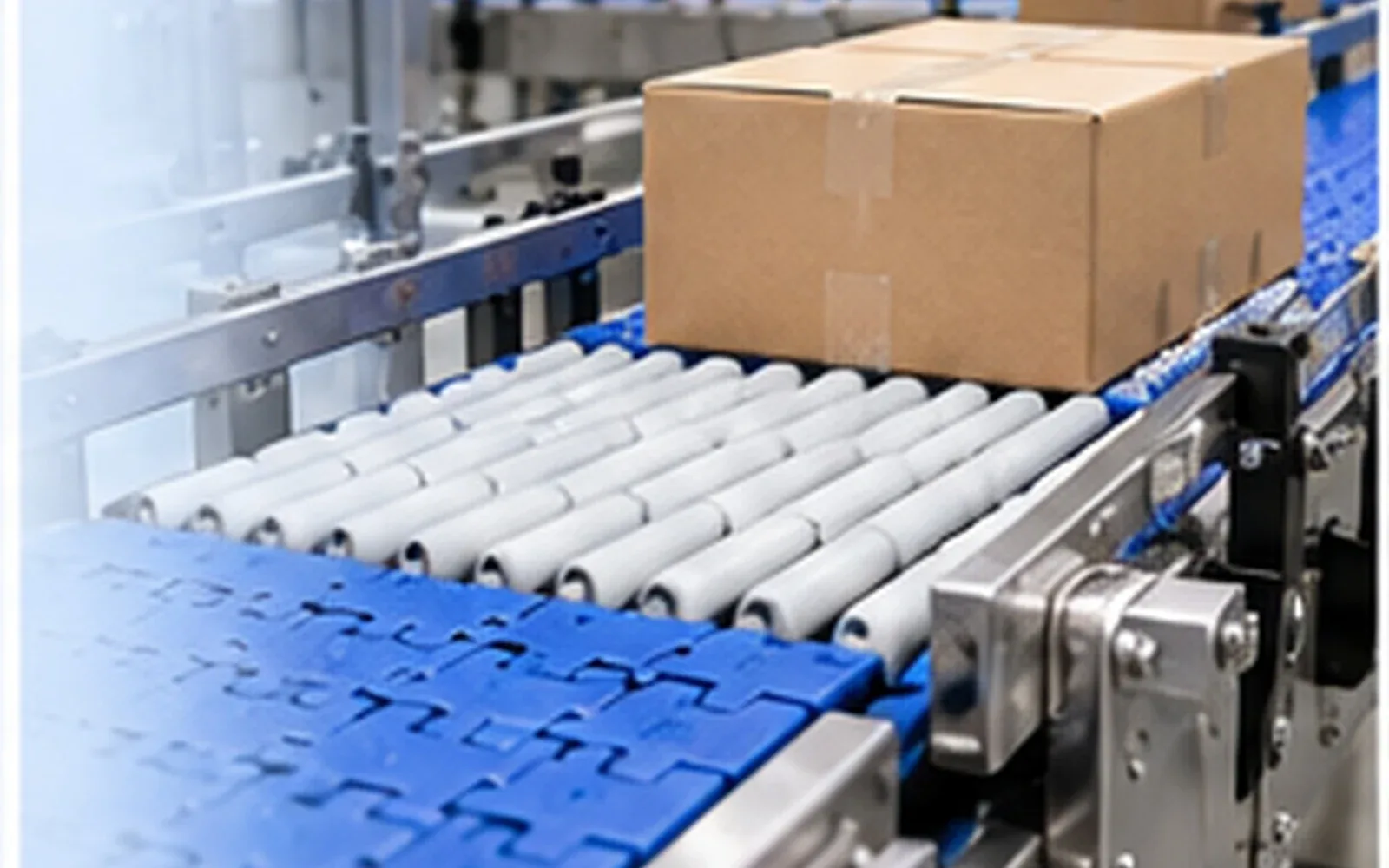
The series must be reviewed with product footprint, load, stability, speed, transfer sensitivity, accumulation and cleaning access. For curves, the side-flexing geometry and guide path become part of the selection. For straight conveyors, support and drive alignment remain equally important.
انتقالها نیز مانند طول بلند نوار نقاله، شایسته توجه مهندسی هستند. محصولات کوچک یا ناپایدار ممکن است به صفحه شانهای، پل غلتکی، چیدمان دماغه یا هندسه صفحه مرده کنترلشده نیاز داشته باشند. هدف صرفاً یک شکاف کوچک قابل مشاهده نیست؛ رابط باید از محصول پشتیبانی کند و از تداخل بین ماژولهای متحرک و قطعات ثابت جلوگیری کند.
Drive and sprocket matching
چرخدندهها رابطهی مثبت-حرکتی را فراهم میکنند. تعداد دندانه، قطر گام، ساختار سوراخ، توپی یا شکاف، شیار شفت و موقعیت محوری باید با هم بررسی شوند. تنظیم ضعیف میتواند بار را تنها روی بخشی از عرض تسمه متمرکز کند، در حالی که چیدمان نامناسب تثبیت میتواند در حرکت حرارتی اختلال ایجاد کند.
Installation and commissioning
Before installation, inspect guides, supports, shafts, sprockets and transfer parts for wear or interference. Fit the belt or chain without forcing joints. Rotate the drive slowly or jog the machine at low speed to confirm clean tooth engagement across the width, stable guide contact and a controlled return path.
After loading representative product, observe transfers, curves, accumulation zones and any incline. Repeated impact, local lifting, scraping or a change in drive noise usually deserves mechanical investigation before continued production.
Inspection and maintenance
تعمیر و نگهداری زمانی بیشترین تأثیر را دارد که تحت نظارت بازرسی انجام شود. اپراتورها باید نواحی لولا، میلهها، تماس راهنما، درگیری چرخدنده، صدای غیرمعمول، سایش موضعی، تجمع محصول و هرگونه تغییر در مسیر برگشت را زیر نظر داشته باشند. تعویض یک قطعه فرسوده بدون اصلاح همترازی یا آلودگی، فقط ممکن است مشکل را به مکان دیگری منتقل کند.
Cleaning or sanitation methods should be compatible with the selected material and with rollers, elastomers, magnets or retention features on the exact series.
RFQ preparation
برای پروژههای OEM و مقاومسازی، یک RFQ خوب، دادههای تأیید شده را از سوالات باز جدا میکند. ابعاد تأیید شده باید همراه با واحدها و روش اندازهگیری فهرست شوند. مواد، بار، سرعت یا میزان قرار گرفتن در معرض مواد شیمیایی ناشناخته باید برای تأیید علامتگذاری شوند، نه برای تخمین.
- Series or existing marking
- Pitch and assembled width
- Overall conveyor layout and curve direction
- Sprocket tooth count, bore and shaft
- Product load, speed, temperature and wet/dry conditions
- Quantity and sample/replacement/OEM status
سوالات متداول
Can a replacement be selected from a photograph alone?
Photos help with identification, but pitch, width, hinge/rod geometry and the drive interface should also be measured.
Do existing sprockets need replacement?
Not always. Check series compatibility, tooth condition, bore/shaft fit and wear before reusing them.
Can material be changed independently of geometry?
Material changes can alter temperature capability, friction and wear. Use the listed options as the starting point and request confirmation for alternatives.
How should non-standard width be requested?
Send the required assembled width and the measured module increment or an existing sample. Width rules differ by series.
What speeds the quotation?
Series, pitch, width, sprocket/shaft data, application, operating conditions, quantity and drawings or clear photos.
Fit and release checks for this series
Use the available series dimensions together with the actual conveyor interfaces. The final release should identify what is confirmed and what still needs measurement.
Confirm roller orientation, shaft or mounting geometry and the direction of product or return contact.
Check the component position, clearances and load path so the roller is supported rather than forced by misalignment.
Record compatible sprocket or mounting geometry, shaft/bore information and the condition of existing mating components.
State product, load, speed, temperature, moisture, cleaning, accumulation and transfer conditions that apply to this project.
Confirmed series data to carry into the RFQ
Pitch: 12.7 mm; Minimum backflex radius: 65 mm; Maximum working load at 21°C: 14,000 N; Working temperature: 4–65 °C dry/wet; Weight: 18.5 kg/m²; Material code: XLG. Use these values only for the exact series shown on this page; any project-specific dimension or alternative material should be confirmed before ordering.
For a replacement, add photographs of the existing top surface, underside, edge/hinge area, drive sprockets and return end. For a new machine, add the conveyor layout and the product path so support, guides and transfers can be reviewed with the selected component.
How to apply the series data on the machine
The listed values define the series, while the conveyor decides whether that series is appropriate for the project.
Machine fit
Confirm the roller axis, support position and direction of contact. A roller can only reduce sliding or support the return path when its axis and mounting let it rotate freely under the intended contact.
Useful confirmed values on this page include pitch 12.7 mm, minimum backflex radius 65 mm, maximum working load at 21°c 14,000 N, working temperature 4–65 °C dry/wet, weight 18.5 kg/m². Keep the unit and the exact parameter name with the purchasing record so the value is not separated from its meaning.
Inspection focus
Check for flat spots, seized rotation, shaft wear, side rubbing or an offset load path. Replacing the roller alone will not correct a support bracket or alignment problem.
Before reusing surrounding parts, clean and inspect the mating surfaces and drive elements. Photograph any abnormal wear before disassembly; the wear pattern can help explain why the previous component failed or became unstable.
| بررسی | بررسی عملی |
|---|---|
| Existing machine | Measure the part and the surrounding conveyor independently. Do not assume a worn component still shows the original nominal dimension. |
| New machine | Confirm machine envelope, support, drive, transfer and service access before final series release. |
| Alternative option | If material or configuration may change, state which machine dimensions are fixed and which product variables are flexible. |
| Purchase record | Keep series, width, drive/mounting data, operating conditions and any accepted drawing revision together. |
Commissioning record for 610 Series Roller Straight Run Belt
Confirm assembly, belt or chain seating, drive/mounting alignment and clearance to stationary parts. Rotate or jog slowly when the machine permits.
Use representative product and observe the most demanding zone: curve, accumulation, incline, transfer or return support as applicable.
Check for localized wear, new noise, edge contact, rod movement, product marks or debris concentration. Record the location of any abnormality.
Keep the final series, installed width, mating component data and operating condition with the maintenance record for future replacement.
Additional series data carried on this page includes Weight: 18.5 kg/m²; Material code: XLG; Mold-part widths: 85 / 170 mm; Standard assembly width: W = 85 × N. Do not detach these values from the exact series or configuration when preparing a purchase description. If the machine requires a different width, material, mounting or drive arrangement, flag the change for confirmation rather than treating it as an automatic option.
Request a series-level quotation
Send the series/model when known, measured dimensions, drive or mounting data, operating conditions, quantity and drawings or photographs. Open points can remain explicit until confirmed.